TLDR
Leif Gregersen reflects on his own bipolar disorder and how these books helped him make sense of the mental health condition.
I was 14 the first time I was hospitalized on a psychiatric ward. I had been struggling for a long time, but my behaviors were getting out of control. I was skipping school and sneaking out at night looking for a thrill.
One night the local Coca-Cola Distributor delivered cans of coke to some houses in my hometown. A friend convinced me it would be a good idea to dress up in our army combat clothes and sneak around at night, stealing the cans from mailboxes.
Another time we broke into the attic of my friend’s apartment building. Someone found the ceiling entrance to the attic open and, terrified we would be caught, my friend and I hid ourselves in insulation materials and waited while the caretaker hammered our only exit shut.
There was something happening to me, and it wasn’t just puberty. At the time, I thought I had become addicted to my own adrenalin. I had no idea that I was actually suffering from bipolar disorder.
I would experience debilitating depressions and periods of self-loathing punctuated by times of unrestrainable energy. However, bipolar disorder for me was just the buildup to an even more serious condition; schizophrenia.
When I first took medication to treat my bipolar disorder, I walked around my school in a daze. At that time, I read a lot of hardline conservative books and magazines. These publications gave me a dim view of drugs and I felt they were for the weak. This opinion led me to believe that a drug designed to help smooth out my highs and lows would simultaneously take away my ambition and motivation.
I refused further treatment of any kind and tried to ‘normalize’ my behaviors by wearing normal clothes and making different friends. I was trying to hide my challenges from the outside world.
I never really understood myself until I began to read the experiences of others who lived with bipolar disorder. These books opened up a new world of people with my same mental health condition and started me down a path of learning more about myself.
5 Best Books About Bipolar Disorder
Today, 36 years after diagnosis, I am still learning. It’s an ongoing process, but a valuable one.
Here are some of the books that helped me understand, accept treatment for and recover from bipolar disorder.
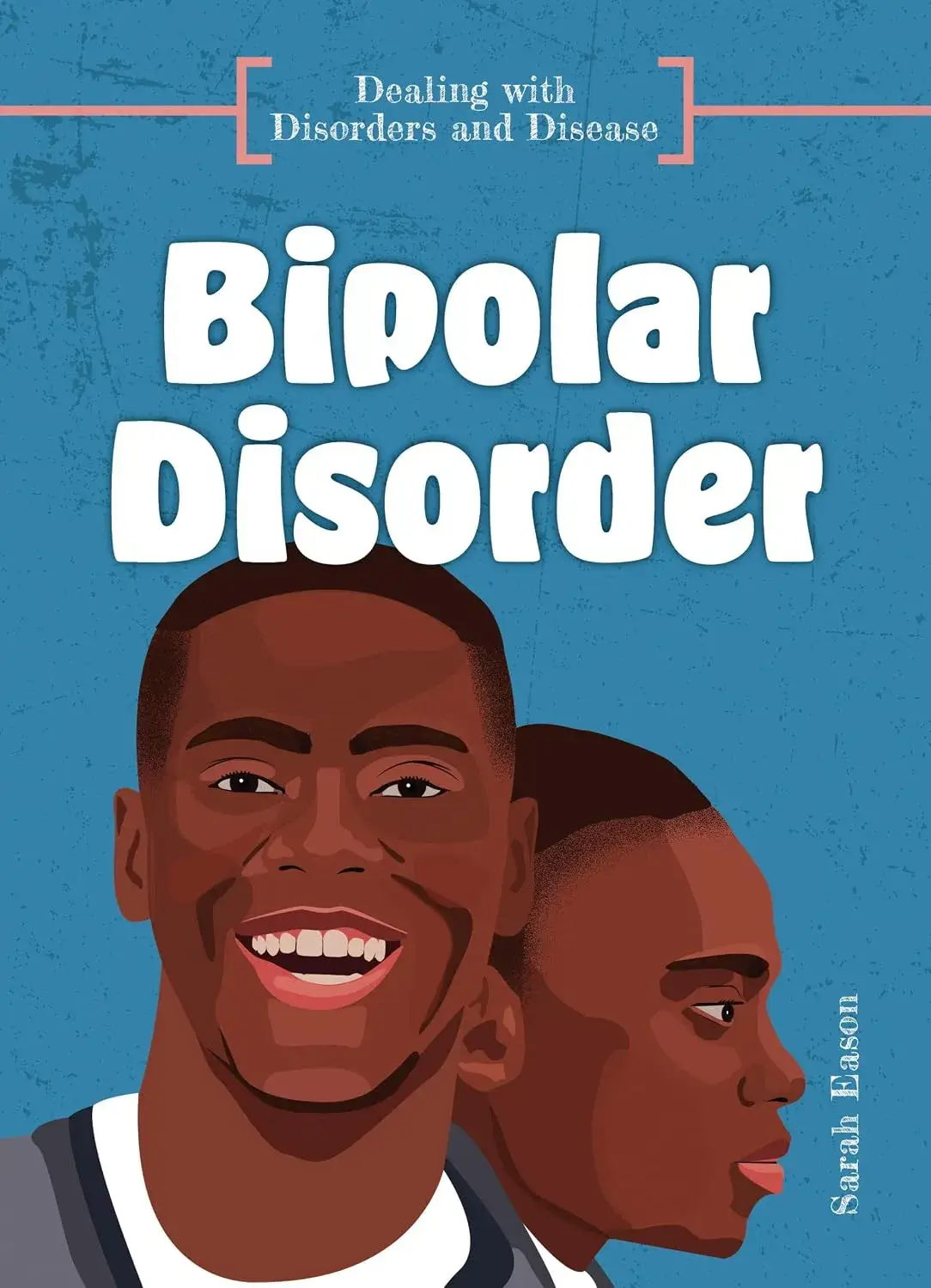
Aimed at teens, this series by Cheriton Children’s Book covers a variety of disorders like autism and Down syndrome. It was the first book I read to learn more about bipolar disorder because it contains illustrations, charts, photos and text that do a wonderful job of explaining the disorder. If you’re starting from scratch, this book covers most of the aspects of bipolar.
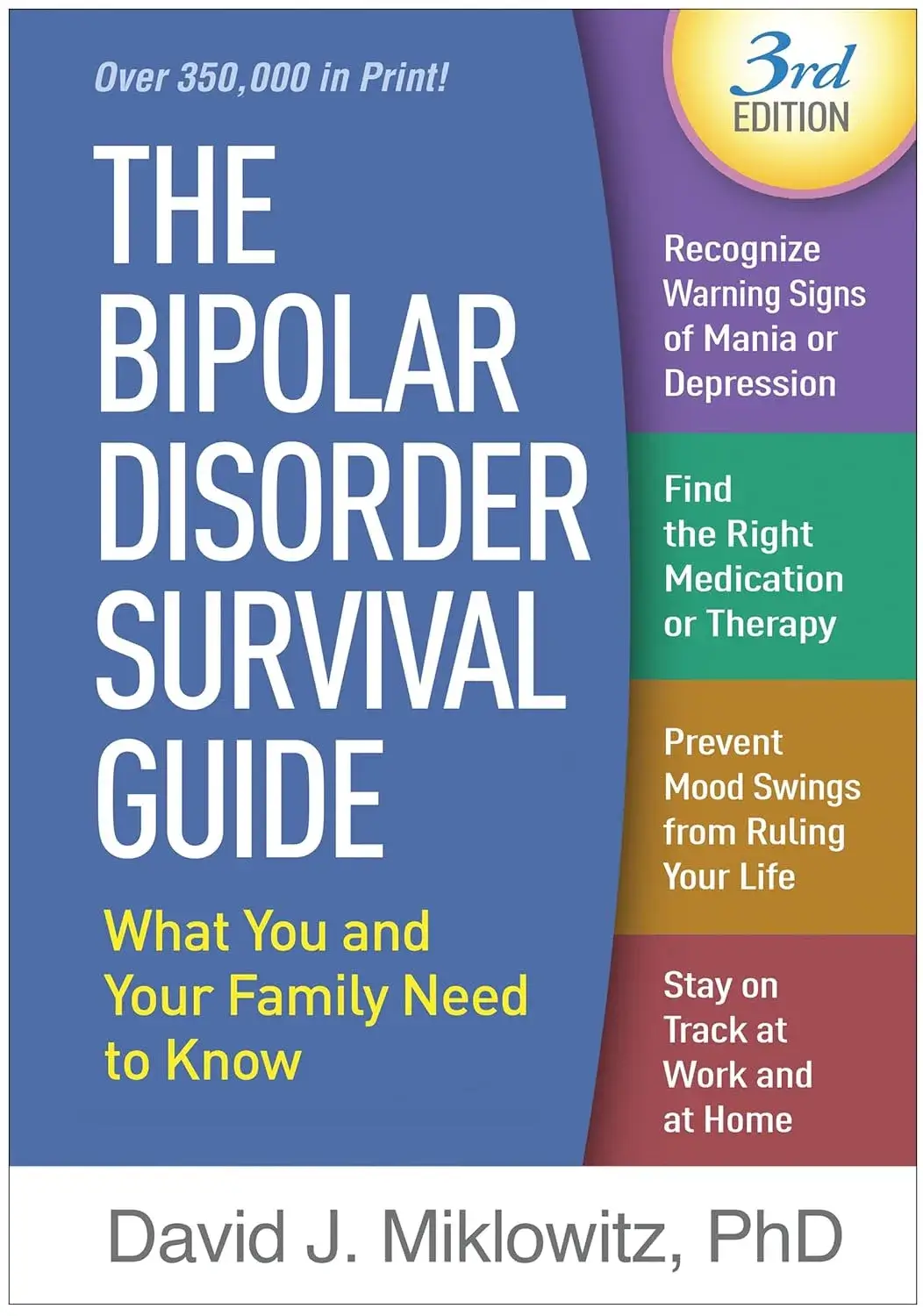
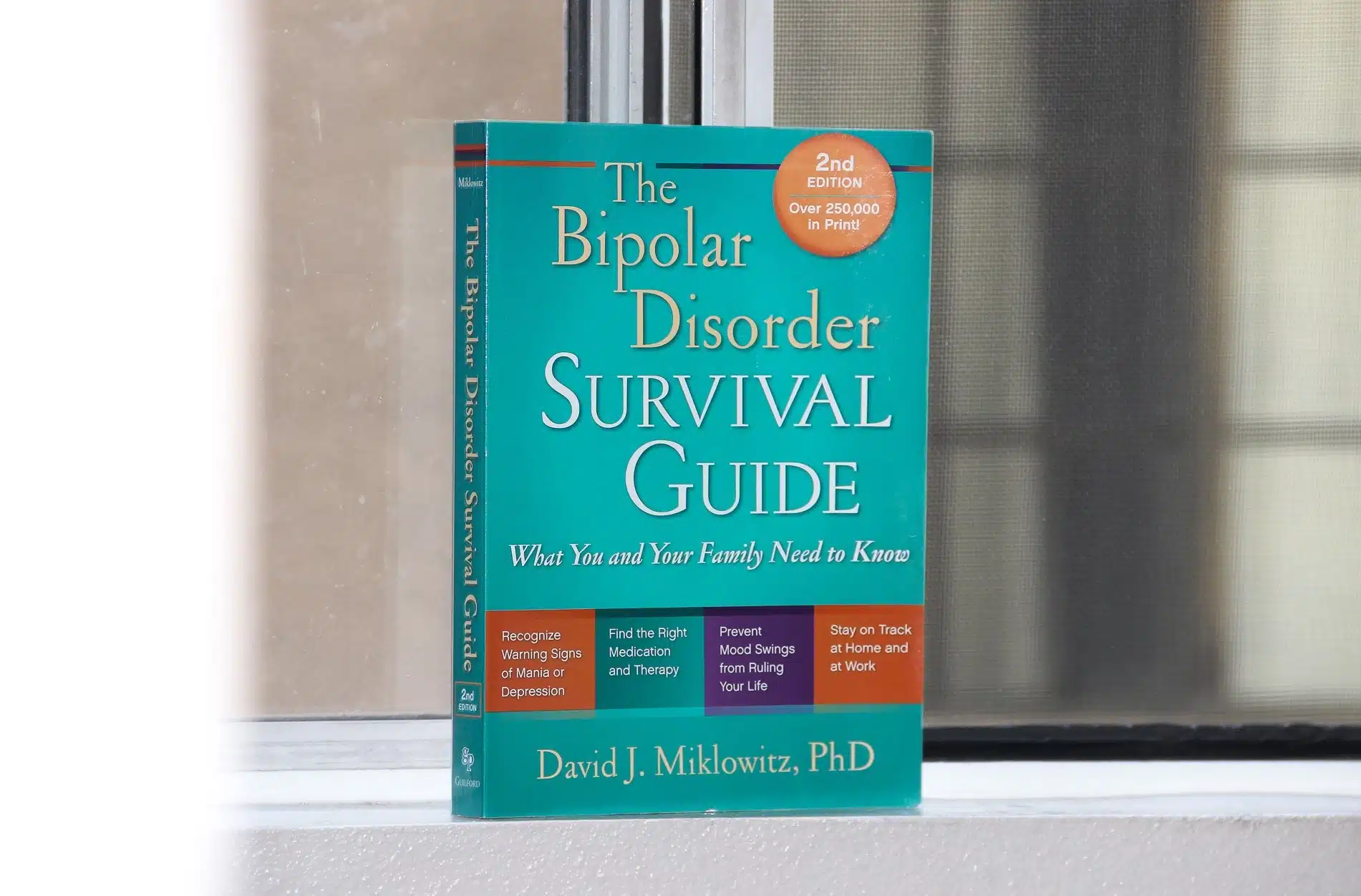
David J. Miklowitz has a PhD in clinical psychology. He focuses on therapy to treat patients with bipolar disorder. I like his approach because he supports the use of mood-stabilizing medication to support effective therapy. The book touches on how therapy is an extremely helpful part of a person’s treatment as it increases medication adherence, reduces stress and helps patients learn early warning signs for when they may need to reach out for help.
There are times when drugs are the only choice, but I also feel the job of medication is to get a person to a stable state so they can benefit from therapy. “The Bipolar Survival Guide” is a highly influential book and a must-read for both people with bipolar disorder and their families.
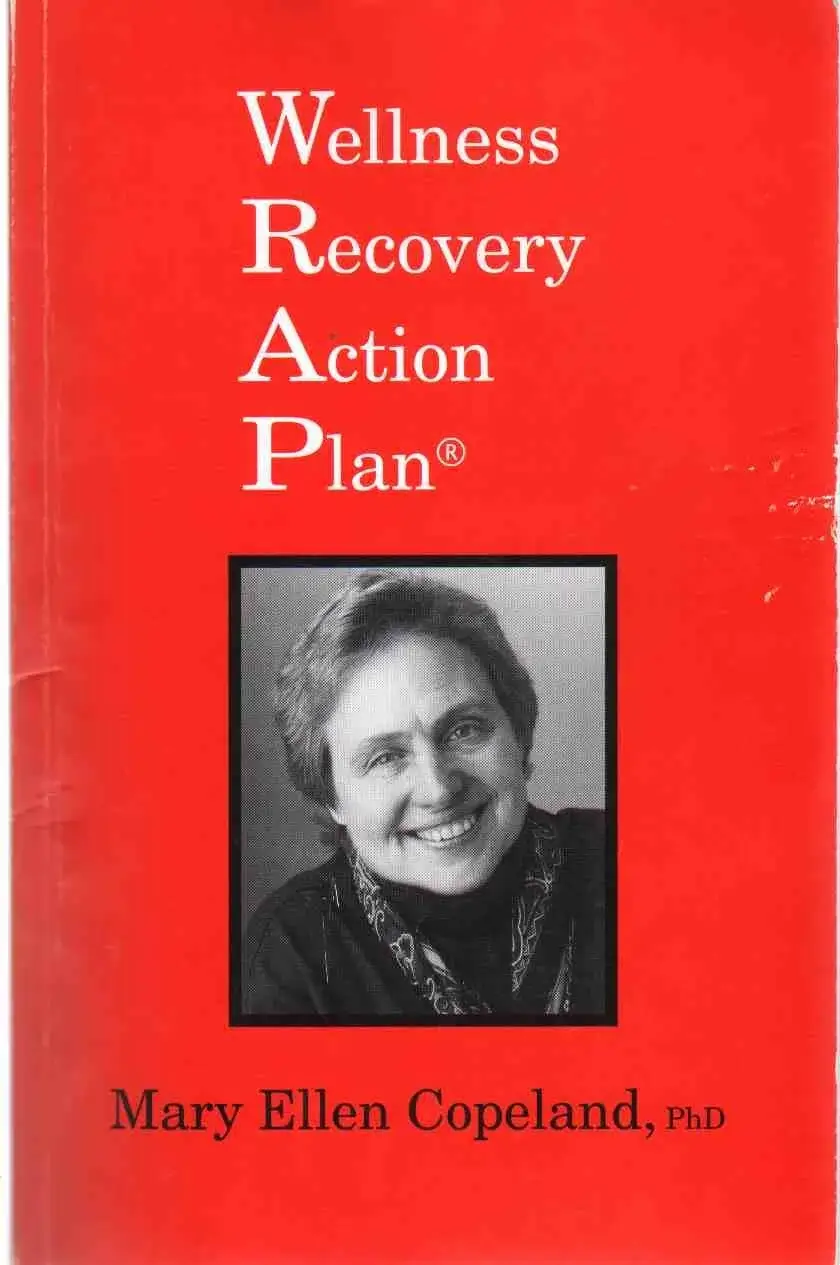
Readers can approach the Wellness Recovery Action Plan (WRAP) book as a stand alone read or companion guide for the WRAP course. Author Mary Ellen Copeland developed the course for people who live in situations where they might not be at full capacity to make decisions for themselves. Most of the time, they are lucid enough to plan out their wishes should they relapse into an addiction or have symptoms of the mental illness that require outside help.
In the WRAP course, you write down anything that could trigger you into a state where you could be at risk of using your substance or get upset enough that you need to reach out for help. Your plan can detail where you want to receive treatment, which doctor you prefer and the type of treatments. It gives the individual the ability to have a say in their treatment.
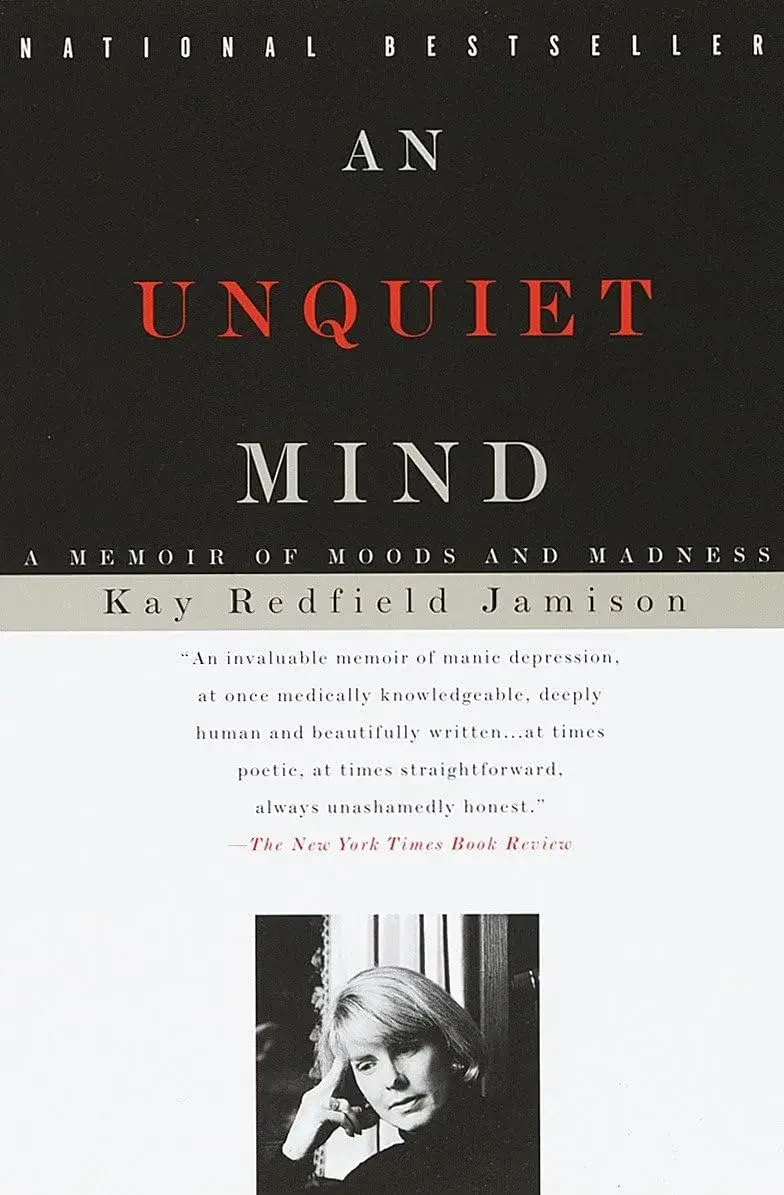
This book struck me from the very beginning. Kay Redfield Jamison writes with openness and honesty. She describes her youth when she began caring less about school, skipping classes, drinking and smoking with her schoolmates.
One of my favorite parts of the book was when the author was in an abnormal psychology class and everyone was given ink blots to observe and write about. Dr. Jamison dove into the assignment and wrote more than anyone in her class.
After the instructor read all the assignments, he asked Jamison to stay after class. She was terrified. However, the professor was so impressed with her ideas that he offered her a job in research, which opened a whole new world for her.
Jamison talks at length about depression and mania, and how both got in the way of her education and life. She sums up the feeling of going through the mania and depression of bipolar disorder, “On occasion, these periods of total despair would be made even worse by total agitation.”
Later on the page, she discusses her actions during these imbalances,“I became exceedingly restless, angry and irritable, and the only way I could dilute the agitation was to run along the beach or pace back and forth in my room like a polar bear at the zoo.”
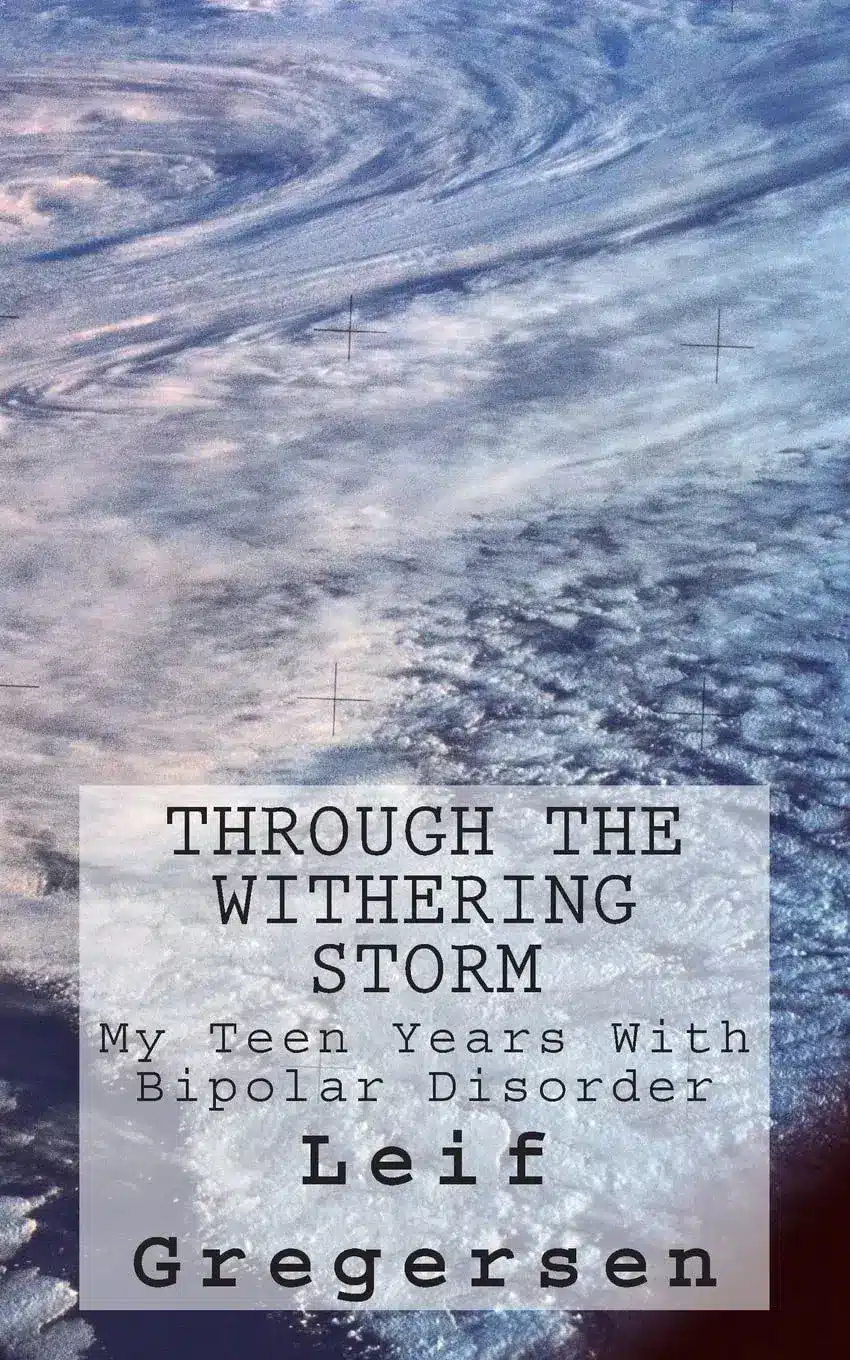
I wrote “Through the Withering Storm, My Teen Years with Bipolar” after spending 20 years wishing I could be an author. I believed it was the simplest thing in the world and a guaranteed road to riches, but I changed a great deal while writing.
I aimed to write a book with both entertaining and serious sections, including the many stunts I pulled as a teen. However, the most important part to me was to try to explain the unfairness, the hardships and the pain I went through with my illness.
The book helped me make a name for myself as a writer. It was praised for its honesty and depiction of a young life irreparably damaged by a mental illness no one understood. When I read this book, I remember how far I have come. I estimate I sold 500 copies, and for two years it was recognized as a resource in the Canadian Psychosocial Rehabilitation Library. I haven’t had much time or desire to write more memoirs, but I have been inspired to teach others about the joy of writing and being open about mental illness.
Seek Balance
I hope this piece leaves you with some food for thought. If you have bipolar disorder, develop an understanding of the divine peace and contentment of ordinary days that revolve around people close to you, good food, rewarding work, exercise and moderation in everything.
More About the Author of This Piece: Leif Gregersen is an author, teacher, public speaker and active blogger, writing about his life journey through mental illness and recovery. You can find him on his Substack and contact him via leif.n.gregersen@gmail.com.

Get recommendations on hidden gems from emerging authors, as well as lesser-known titles from literary legends.