
TLDR
These six novels feature autistic characters across the spectrum, showcasing the nuances of autism while mostly avoiding tropes.
When drawing up a list of autism in fiction, it’s often films like “Rain Man” that come to mind. Dustin Hoffman’s character is a white man with savant-like abilities and poor social skills, fitting his character snuggly into the most common tropes of autism representation. Readers may already be familiar with other common stereotypes:
- The emotionless or robotic character
- The character who is a burden to their family
- The charming and/or “quirky” character
In fiction, autistic characters are few and far between. When we do see them on the page, they rarely escape the stereotypes. Even writers who set out with the best intentions and a goal to subvert the tropes usually end up falling short because they tend to overcorrect.
For example, a writer may swing so far in the opposite direction of the savant trope that they inadvertently end up infantilizing the character. Or they might describe an autistic character and in the same sentence refuse to say they’re autistic because “labels don’t matter.” In this case, the writer risks perpetuating the idea that autism is something to overcome or ignore, or that it doesn’t have a very real impact on how an autistic individual lives their daily life. To dismiss the word “autism” is to give it a negative connotation, which does more harm.
When a writer does openly create an autistic character, they may highlight the characteristics that our society rewards in a gesture of good faith. Traits like hyperfocus that lead to high productivity, analytical thinking and a deep knowledge about their area of interest often appear. Yet, these characteristics make up a portion of the spectrum and fail to show a fair account of the challenges autistic individuals face.
The actual experience of autism is far more diverse and far-reaching than can ever fit into a single character. This creative challenge is perhaps the downfall of writing autistic characters. Authors often create one character who is intended to represent autism as a whole, instead of focusing on that character as an individual with their own unique experiences and personalized needs.
What is Good Autism Representation in Fiction?
Autistic characters land in one of two categories: symbolic or authentic.
Symbolic representation is when an autistic character is used as a plot point rather than a complex character in their own right. In these instances, the story is usually about someone in the autistic character’s orbit who is at least mildly burdened by the autistic individual. The autistic character might morph into a depiction of the main protagonist’s virtue and goodwill, and be used to propel their story forward. Symbolic autistic characters often rely on stereotypes.
With authentic representation, the narrative focuses on an autistic character’s individualized experiences, needs and desires. This approach gives them space to move throughout the story of their own volition, whether or not they are the main protagonist. By focusing on the individual, a writer is more likely to create a real and complex character and avoid stereotypes.
While tropes and misunderstandings often result in inaccurate or incomplete representation, sometimes writers get it right. The following novels were assessed based on these criteria:
- The plot isn’t about a character’s autism. Rather, it’s about an autistic character. This approach ensures the writer focuses on a character’s personalized traits and needs instead of using tropes to create symbolic representation.
- The story doesn’t go out of its way to preach its avoidance of calling a character autistic because it’s advocating that labels don’t matter. Doing so implies that autism is to be overcome, either as an individual or as a society.
- Autism is represented as a complex, multifaceted neurotype that is unique to each individual and the writer allows all these characteristics ample space on the page.
- The autistic character is treated with respect and isn’t infantilized by the author or other important characters.
- The struggles and challenges of autism are portrayed with accuracy and compassion, without being used as plot-driving hindrances for other characters or glorifying another character’s actions.
Autism is especially difficult to write because of the incredible variety in how it shows up for each individual. The challenge is amplified because of the pre-existing, robust stereotypes that may lead readers to mistakenly believe they understand autism. An autistic reader may recognize parts of themselves in a character, but it is impossible to create one character that represents the whole of autism. Everyone would be wise to challenge themselves to keep open minds when reading these novels.
6 Novels with Autistic Characters
These titles feature autistic characters who are given space to flourish on the page, each with storylines and character arcs that aren’t driven exclusively by their autism. These characters are individuals, entirely.
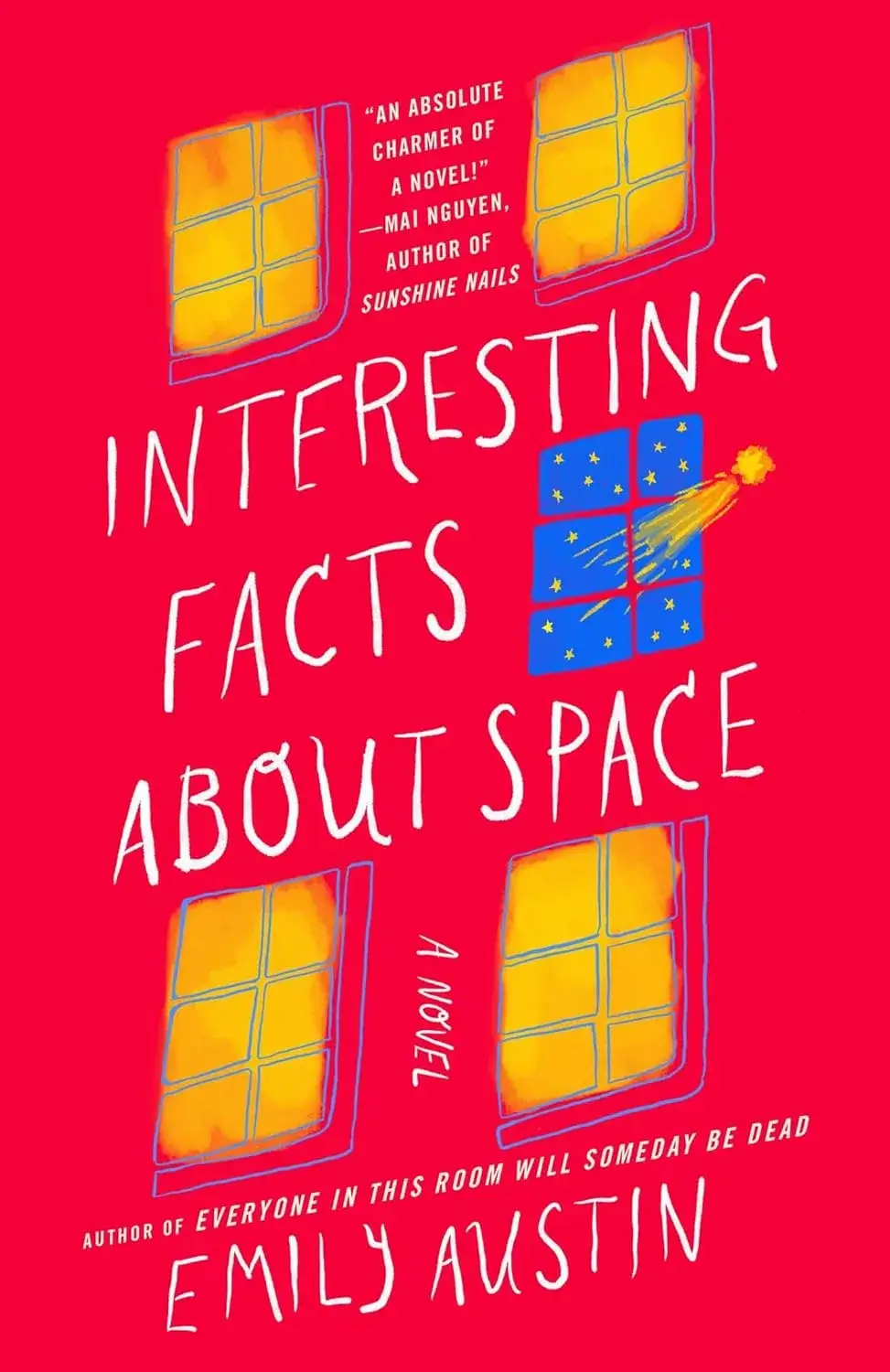
Through humor and unabashed info-dumping, “Interesting Facts About Space” tells the story of Enid as she uses her vast knowledge about space to help her navigate anxiety in her daily life. Enid is honest, observing things most of us keep locked away in our minds, which makes her very relatable to readers. She navigates interpersonal relationships and grapples with traumas.
While never diagnosed autistic on the page, Enid’s autism is revealed through her individualized version of familiar autistic traits. Enid displays intense knowledge in her special interest area, struggles to pick up on certain social cues, has sensory sensitivities and has to build strategies to cope with a world that wasn’t designed for her neurotype. The author creates a safe space for Enid to be herself.
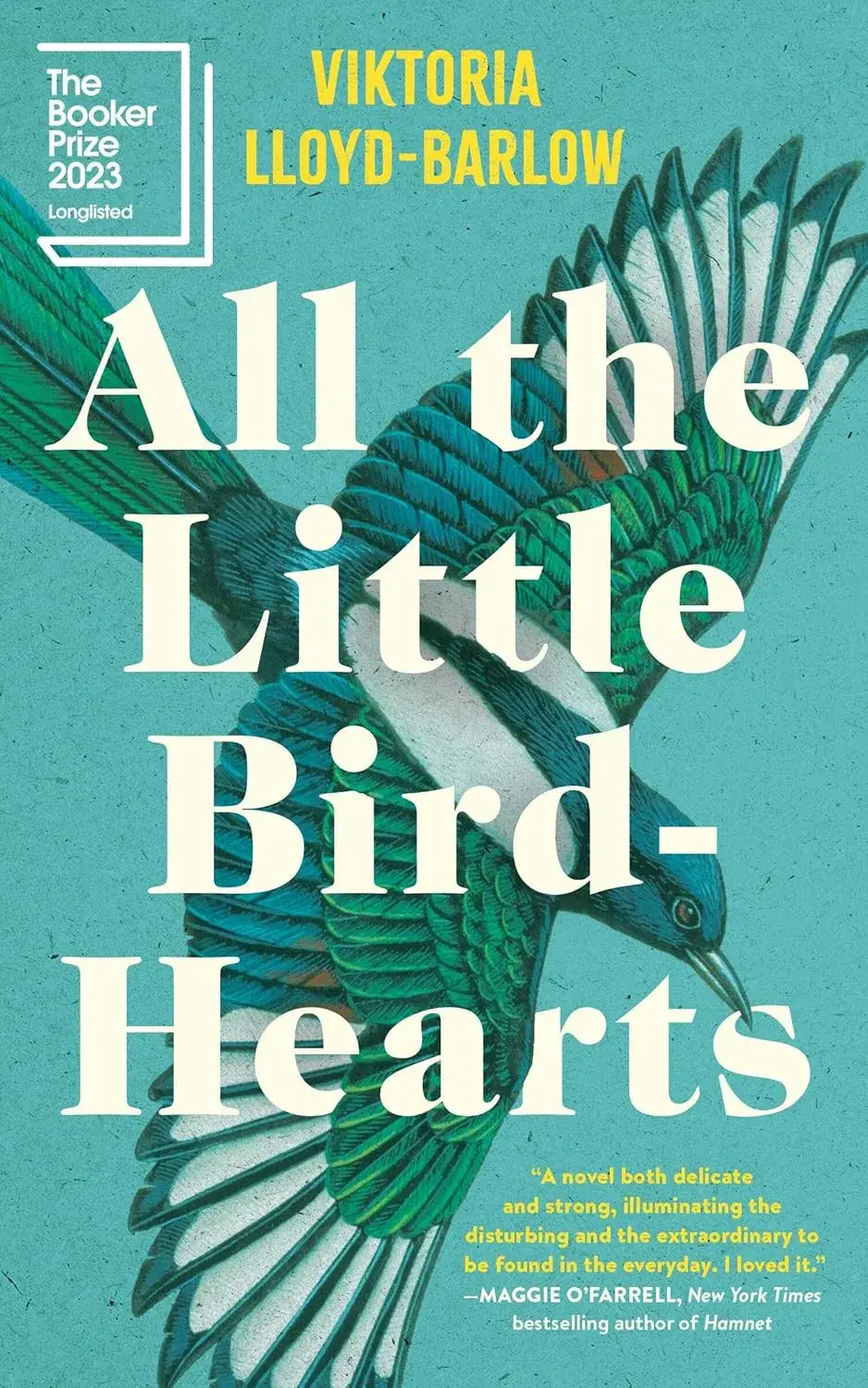
“All the Little Bird Hearts” was long-listed for the Booker Prize in 2023. This was the first time a book written by an autistic author was recognized by such a high-profile award.
The novel follows Sunday, an autistic narrator, whose life changes course when new neighbors, Vita and Rollo, move in next door. The two families grow close, frequently dining together and upending Sunday’s routine, with Vita and Sunday’s daughter Dolly growing especially close.
Sunday experiences kindness, compassion and acceptance, but Vita sees in Dolly the daughter she always wanted. As the story progresses, Sunday comes face to face with her daughter growing up, motherhood and authenticity.
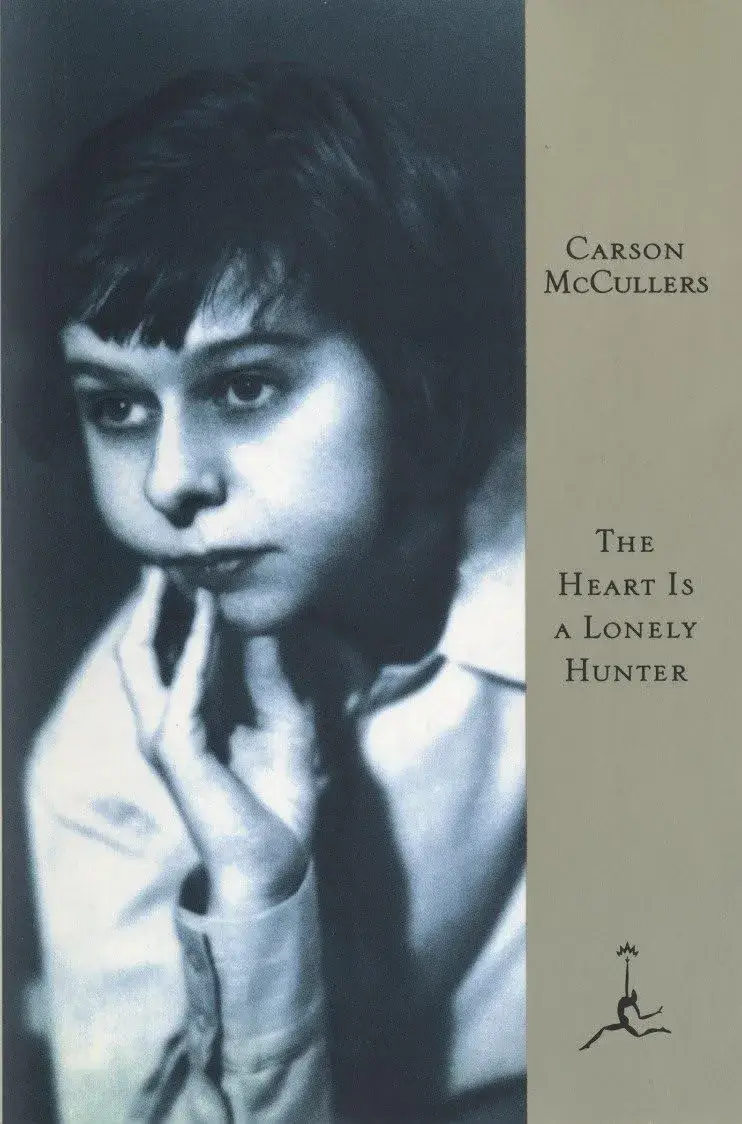
“The Heart is a Lonely Hunter” features a wide cast of characters, including one, Spiros Antonapoulos, who modern readers have largely identified as autistic. Spiros is non-speaking, maintains a strict daily routine, has sensory sensitivities and focuses intensely on his special interests.
While McCullers never explicitly stated that Spiros is autistic, he has characteristics that autistic readers will recognize. This novel is an example of how decent representation can sometimes exist without a writer committing space on the page to explicitly talk about an autistic character. McCullers shows rather than tells readers what one character experiences while navigating their world as an autistic individual.
The book was written in 1940 when autism was hardly understood and autistic individuals were often institutionalized, which is also touched on in the novel. Yet, McCullers created a unique character with traits that resonate with all kinds of readers.

Readers find many of Murata’s characters to be autistically coded. “Convenience Store Woman”’s Keiko Furukura falls soundly into that analysis. Keiko is 35, living in Tokyo and working at a local convenience store.
The store offers Keiko a predictable, rule-based structure that she finds comforting. Her autism appears on the page through masking, copying her coworker’s socially accepted mannerisms to conceal her autistic characteristics, and sensitivities to bright lights and loud sounds.
Keiko has worked at the same store for nearly 20 years, much to the dismay of her family. This clash of lifestyles between Keiko’s desire for a predictable, repetitive routine and her family’s desire for her to marry and find a “better” job examines the pressure autistic individuals can face to fit within socially accepted roles.
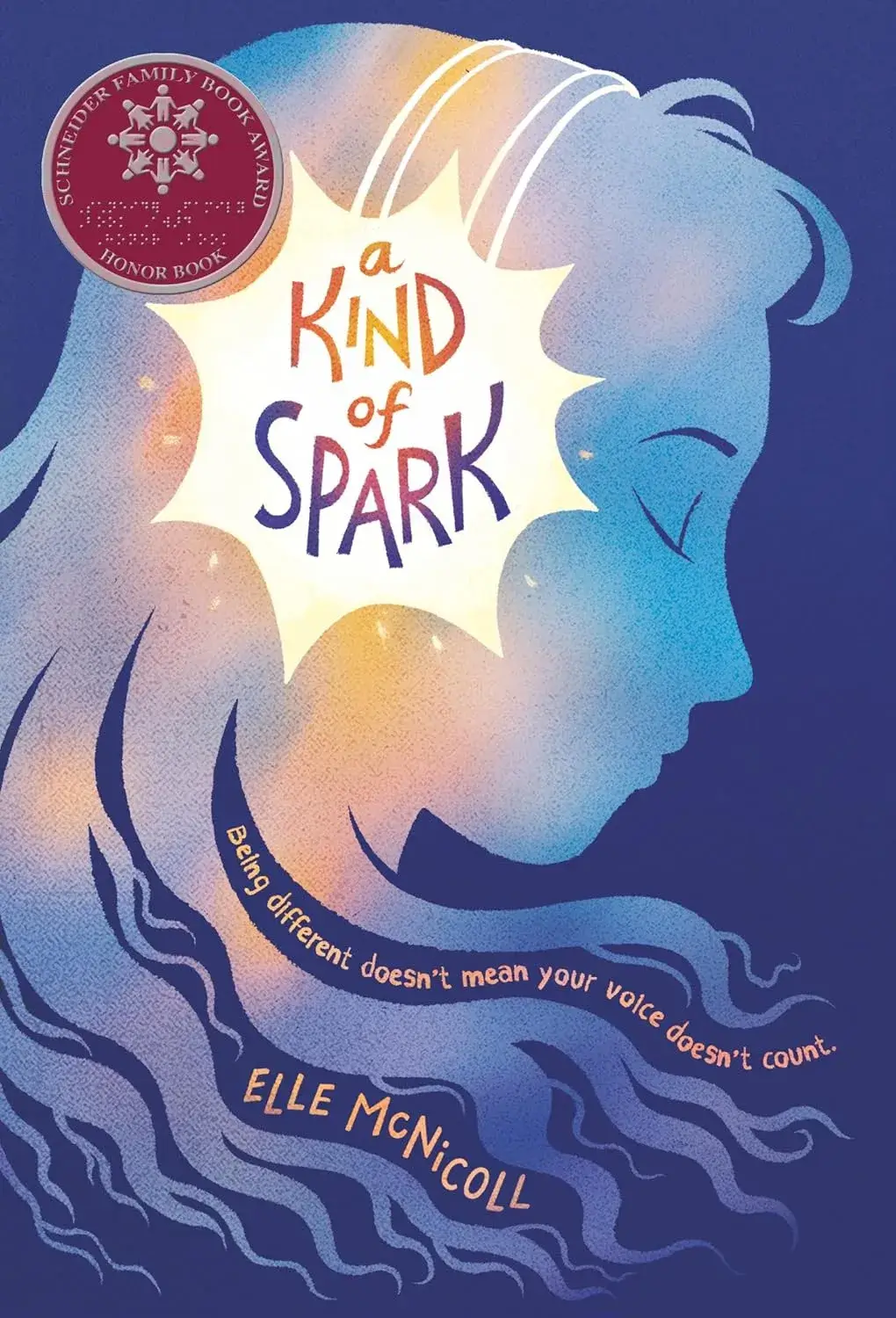
“A Kind of Spark” is a middle-grade novel that follows Addie, a young autistic girl who is trying to have a memorial built for the women persecuted in the witch trials in her small Scottish town.
Addie recognizes that these women were penalized for being different, which aligns with modern speculation that many of the women persecuted in the witch trials were neurodiverse and punished for not conforming to society’s norms at the time.
Elle McNicoll is autistic herself and writes regularly about her experience. In the novel, she sets up Addie to educate young readers about autism. The book doesn’t shy away from the day-to-day challenges that autistic individuals face when simply trying to navigate a world that doesn’t support their sensory or social needs. McNicoll also followed up “A Kind of Spark” with a sequel, “Keedie,” that’s aimed toward slightly older readers.
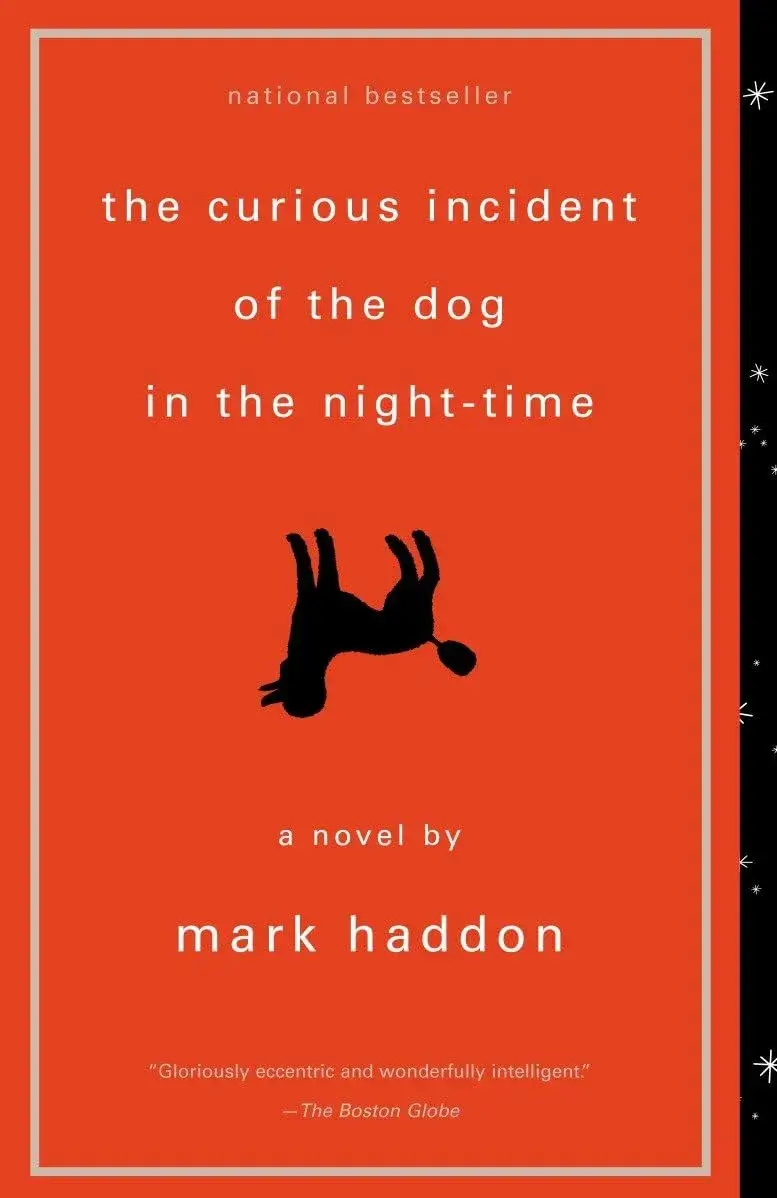
“The Curious Incident of the Dog in the Nighttime” is a hesitant addition to this list. It uses some of the more common tropes to depict autism, like the main character, Christopher, being a math genius. However, Haddon still does a decent job at giving Christopher space to be himself.
Christopher is a teenager who is investigating the murder of his neighbor’s dog. He has behavioral quirks commonly linked to autism. Haddon reportedly did some research into autism mannerisms before writing the novel, but didn’t want to explicitly place Christopher in an “autistic box,” given the vastness of the spectrum.
This is an example of a writer viewing their character as a representation of autism in its entirety, and refusing to name a character’s autism as a result. Christopher falls snuggly into a math savant, socially awkward and lovable category of autism in fiction. Yet, readers consistently name this title as one of the better fictional representations out there.
Where to Look For Unconscious Biases Toward Autism
There’s unfortunately more poor autistic representation than there is good. The novels here move toward correcting the stereotypes and tropes that appear in books, movies or television and pigeonhole autistic individuals into predefined, narrow boxes.
But, as a reader, how do you avoid placing unconscious biases onto autistic characters or storylines when stereotypes run rampant? Step one is to reckon with the fact that you have unconscious biases. Everyone does.
Step two is to become aware of how you might be filling in the gaps of a character with these internalized ideas based on the details a writer has chosen to reveal. How are you judging the character and their actions? Is it solely based on how they’re written, or are you unconsciously taking some leaps in character analysis?
Finally, challenge yourself to give every autistic character space to assert themselves on the page before laying critique. It’s worth taking this approach for every character. Let them tell their own story, as they are the only ones fit to do so.

Get recommendations on hidden gems from emerging authors, as well as lesser-known titles from literary legends.