TLDR
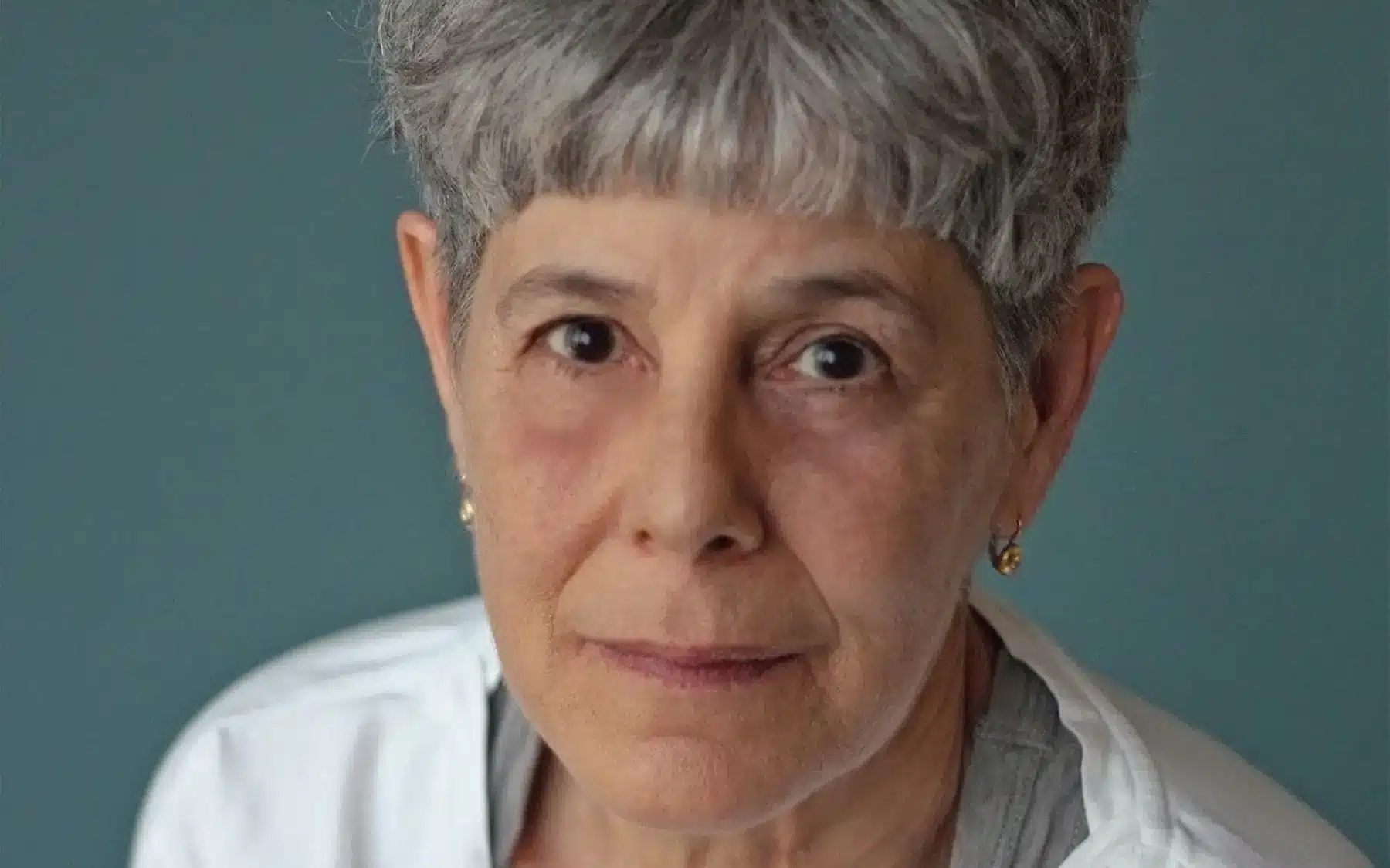
With her memoir “Girl, Interrupted”, author Susanna Kaysen disrupted the genre’s traditional form by taking an anthropological approach. The book became one of the most well-known stories about mental health. Here is the story of Kaysen’s life and career.
Trigger Warning: Discussion of suicide and mental health
While living in the Faroe Islands and working on a novel loosely inspired by her anthropologist husband, Susanna Kaysen first conceived of the book that would become “Girl, Interrupted.”
In the novel, “Far Afield,” Kaysen’s main character is an anthropologist researching a small village, studying in part the structure of this self-contained place. It was here that Kaysen realized she had lived in a similar place at an earlier moment in her life: McLean Hospital.
During her stay at the hospital, she had observed its hierarchies, rules and customs. She played the role of an anthropologist. The idea for a memoir — one that didn’t live within the traditional boundaries of the genre — began to take shape. Once she finished writing “Far Afield,” Kaysen turned her attention to the memoir.
Even still, writing a memoir in the typical form was wholly unappealing. Kaysen didn’t want to write about herself, her family or the events leading up to her time living at McLean Hospital. By approaching the book as an observer of her situation during those 18 months, Kaysen could free her story without revealing to readers the fear she felt as an 18-year-old who was suddenly stuck in a mental hospital. Once the book was published, it took on a life of its own.
Between her novels and memoirs, Kaysen demonstrates her ability to be a keen observer of the strangeness of being human and the fragility of body and mind. This approach helps readers see themselves in Kaysen’s work. At the same time, she helped open the door to challenge the structure for how one writes their own story.
Susanna Kaysen Biography: How Refusing to Write About Herself Led to a Groundbreaking Memoir
Susanna Kaysen was born on November 11, 1948 in Cambridge, Massachusetts to Annette and Carl Kaysen. She went to primary school in Boston before attending the Commonwealth School and the Cambridge School of Weston for high school.
After a suicide attempt in 1967, Kaysen was sent to McLean Hospital, a psychiatric institution in Belmont, Massachusetts. This hospital also housed artists James Taylor, Robert Lowell and Sylvia Plath. The hospital had made an earlier literary appearance in Plath’s “The Bell Jar.”
During her nearly two years in the hospital, Kaysen was treated for clinical depression and diagnosed with borderline personality disorder (BPD), a mental health condition marked by intense mood swings, impulsive behavior and depression. Her experience there would form the bedrock for “Girl, Interrupted.”
Throughout her career, Kaysen blurred the line between fiction and memoir. Her earliest works, “Asa, as I Knew Him” and “Far Afield,” settle firmly in fiction, although they take some inspiration from real-life experiences. With “Girl, Interrupted,” Kaysen formally ventured into memoir territory, but charted a path of her own.
A traditional memoir is a first-person account of some part of the writer’s life. It’s uniquely fallible, as these stories rely entirely on subjective memory (memory is a theme you’ll see sprinkled throughout Kaysen’s work). But Kaysen approached “Girl, Interrupted” as an observer.
What little interiority readers do get is through a handful of Kaysen’s medical documents that the writer fought to get her hands on several years after leaving McLean. She explained the effect of this approach, saying, “there was enough blank space in it for people to insert themselves.”
Kaysen’s deadpan humor and ironic tone across her work foster a reading experience that amuses and disarms before forcing readers to face sometimes harsh realities. She carved out a space for herself between genres and made it her own.
Books by Susanna Kaysen
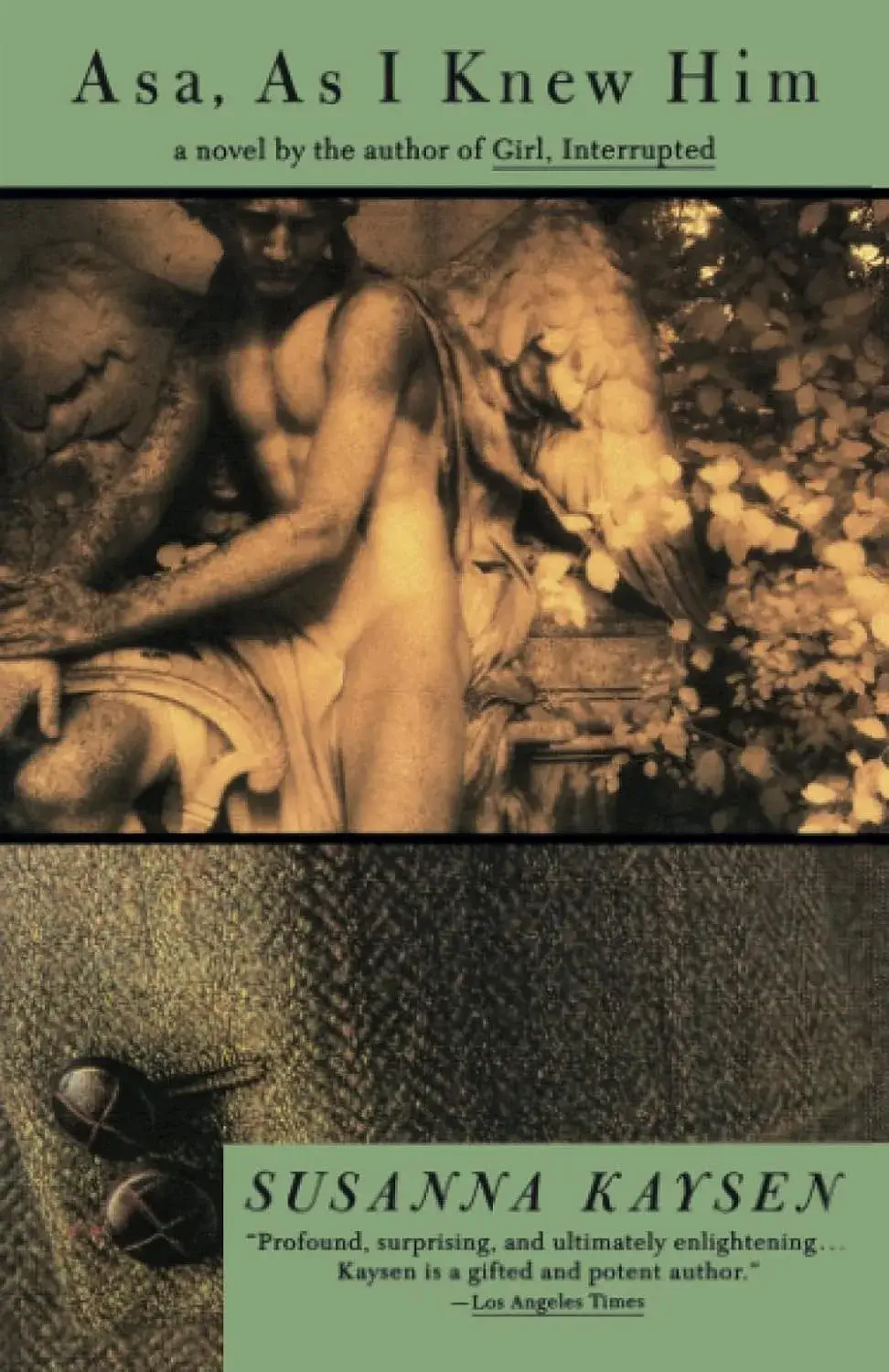
This title is Kaysen’s first book and first novel. After an affair with her boss, Asa, ends, narrator Dinah builds a fictionalized past that retells his youth as she sees it. Throughout the novel, Kaysen explores themes of love, memory and the stories we tell ourselves about the people in our lives. It also offers clever and poignant observations about office life for women in the 1980s.
Reviews
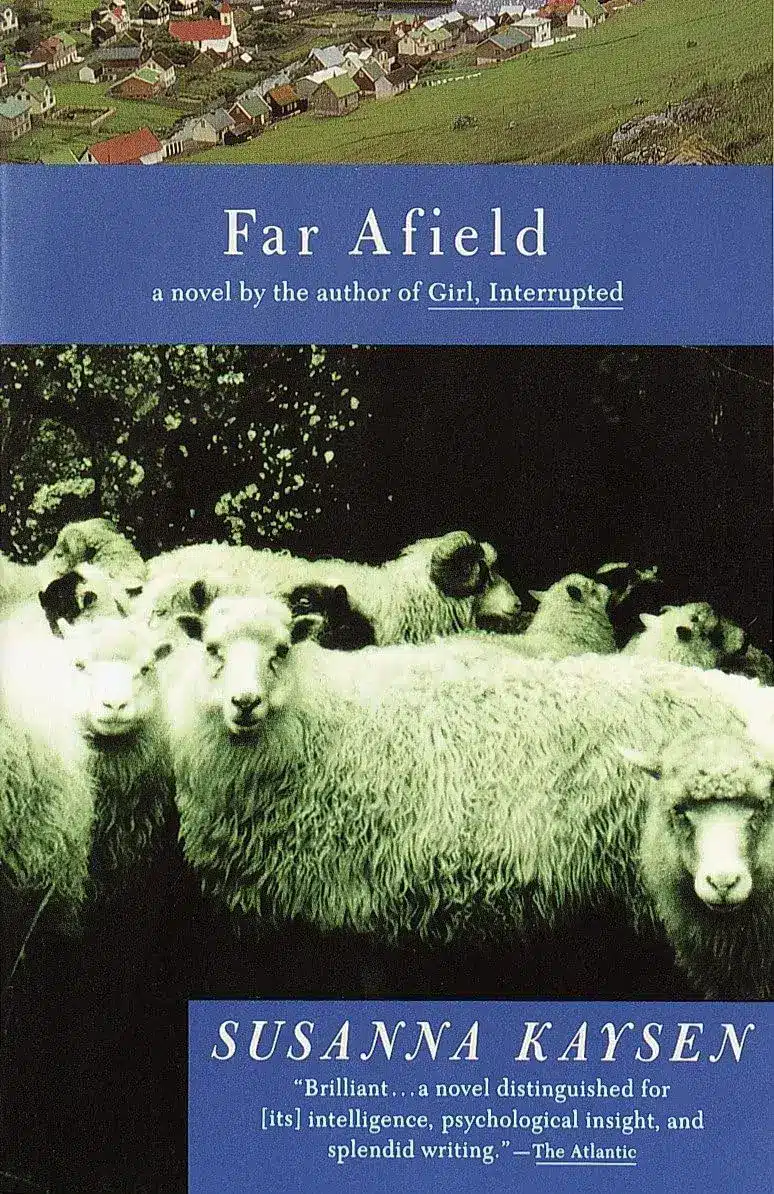
Kaysen’s second work of fiction, “Far Afield,” draws on her time living in the Faroe Islands. Readers follow a Harvard anthropology student who’s conducting fieldwork on the islands while he struggles to navigate local culture, cuisine and a complicated relationship with a Danish woman. Throughout the novel, Kaysen skillfully balances satire and compassion.
Reviews
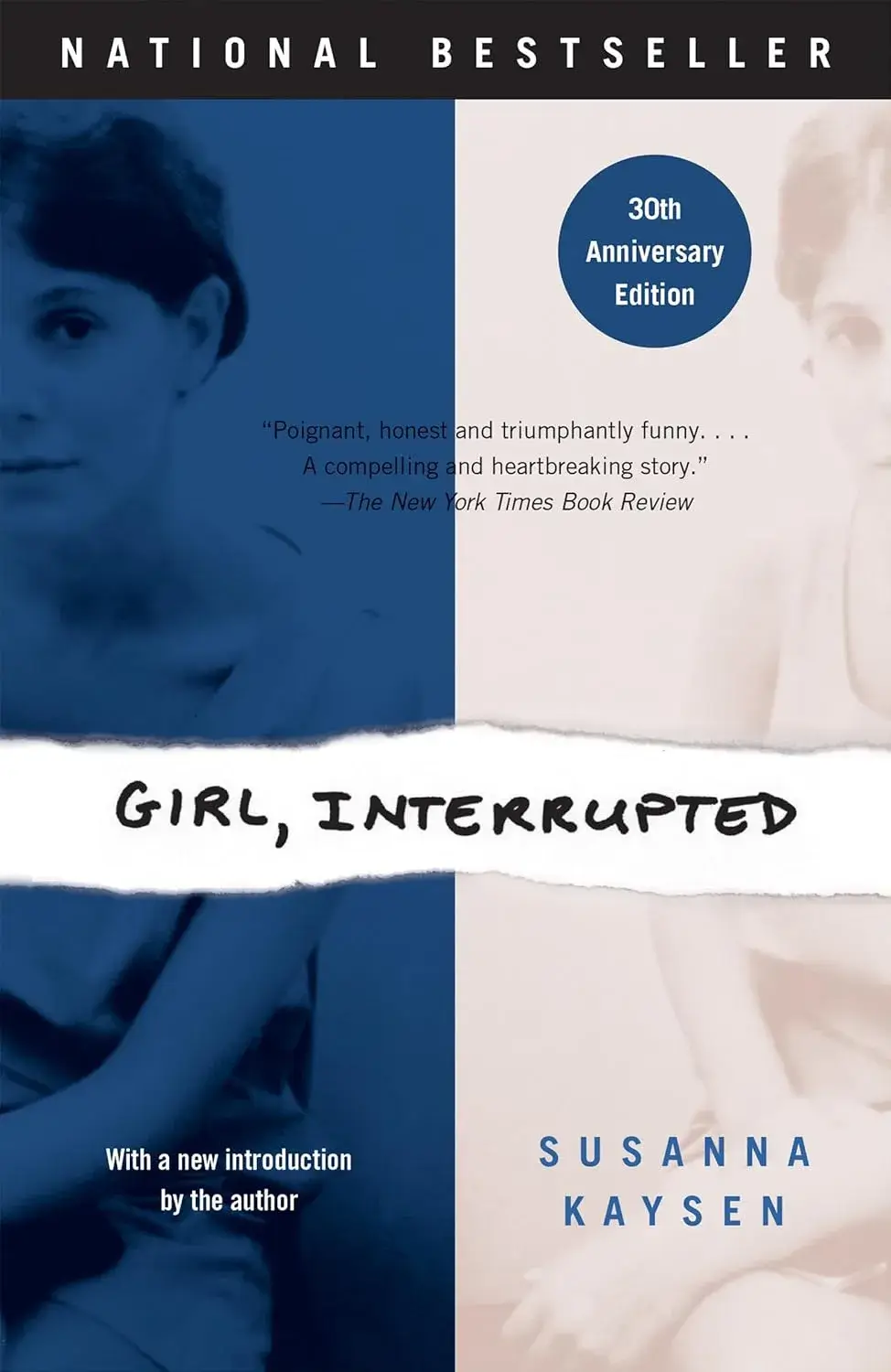
“Girl, Interrupted” is Kaysen’s most well-known book and her first memoir. It follows the author’s experience at McLean Hospital over her 18-month stay, but plays with the genre’s form.
Rather than construct a memoir around her experiences, Kaysen positions herself as an observer. She writes about the women around her, including their conversations, actions and backstories, to offer readers a glimpse into women’s mental health treatment in the 1960s.
She uses a nonlinear narrative structure to shake up the reader’s sense of time, just as Kaysen’s experience of time during her stay became abstract due to the repetition and monotony of everyday life.
Editorial Note: Read our full review of “Girl, Interrupted” here.
Reviews
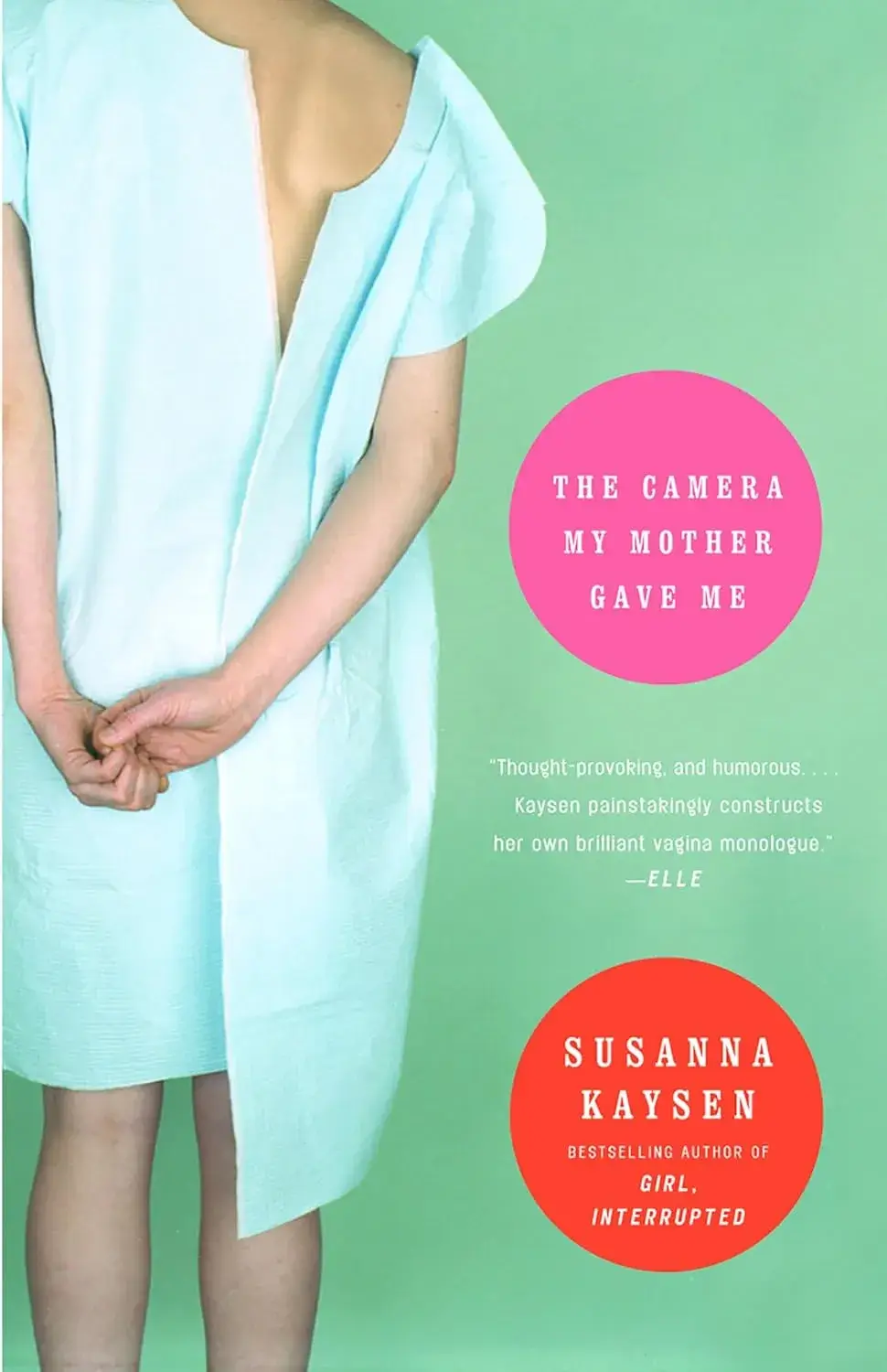
Kaysen’s second memoir follows her experience visiting several doctors, including internists, gynecologists and “alternative health” physicians, to uncover the cause of her chronic vaginal pain. The book examines how this pain impacted her sexuality and relationships, exploring how sex and sexuality impact one’s perception of oneself.
She also critiques the medical system in its failure to provide her with answers or ease her discomfort. Kaysen writes in her characteristically wry humor as she grapples with women’s health and aging.
Reviews

While technically fiction, Kaysen’s most recent book, “Cambridge,” has a memoir bent. Readers follow the young narrator, Susanna, as she moves between London, Florence and Athens for her father’s work, all while exploring her love for home in Cambridge.
She navigates constantly feeling like an outsider alongside themes of memory and nostalgia. The book is set in the early 1950s and told as an adult narrator reflecting on her youth.
Reviews
Kaysen’s Cultural Views Expressed Outside of Books
In a 2023 interview with The Cut, Kaysen responded to a question about the use of medical language and self-diagnosis today. She expressed how a diagnosis of a mental health condition results in a full stop. The diagnostic label, in her view, is used as a way to explain away a difficult emotion or period of time in one’s life rather than engaging with it.
Earlier in the same interview, Kaysen discussed how many people underestimate the destructiveness of the COVID pandemic. It cut people off from one another — one of the worst things you can do to people living through a terrifying and unpredictable moment in history. She expressed this point as part of the reason record levels of teenage girls are reporting “persistent sadness.”
Book to Film
“Girl, Interrupted” is the only book of Kaysen’s to be adapted into a film and is today considered a cult classic. It started as a passion project of Winona Ryder, who portrayed Kaysen. Angelina Jolie, Clea DuVall and Whoopi Goldberg also appeared in the movie.
The movie’s plot strays from the book’s storyline by adding scenes that lend to the dramatic effect of the story and simplify the narrative. It received mixed reviews upon release, but ultimately earned several prestigious award nominations, including Angelina Jolie’s Academy Award for Best Supporting Actress.
In a 2023 interview, Kaysen discussed the book being optioned for a film almost immediately after publication. Yet, as the film’s production wore on, Kaysen grew more detached from the adaptation and its deviations from the book’s storyline. She said, “It’s a movie. I wrote a book. They’re making a movie. They’re not the same.”
Quotes
“Not everything has a happy ending, and not everything has an ending. Some things just kind of dribble away or cut off abruptly.”
“Lunatics are similar to designated hitters. Often an entire family is crazy, but since an entire family can’t go into the hospital, one person is designated as crazy and goes inside.”
“Crazy isn’t being broken or swallowing a dark secret. It’s you or me amplified. If you ever told a lie and enjoyed it. If you ever wished you could be a child forever.”
― Girl, Interrupted
“Have you ever confused a dream with life? Or stolen something when you have the cash? Have you ever been blue? Or thought your train moving while sitting still? Maybe I was just crazy. Maybe it was the 60’s. Or maybe I was just a girl… interrupted.”
― Girl, Interrupted
“I told her once I wasn’t good at anything. She told me survival is a talent.”
― Girl, Interrupted
Authors Like Susanna Kaysen

Get recommendations on hidden gems from emerging authors, as well as lesser-known titles from literary legends.