TLDR
Modernist writer Jean Rhys is known for her novel “Wide Sargasso Sea,” yet her literary legacy spans broader. She gave a voice to impoverished young women in a stream-of-consciousness storytelling style and pulled inspiration from her own Creole/English upbringing.
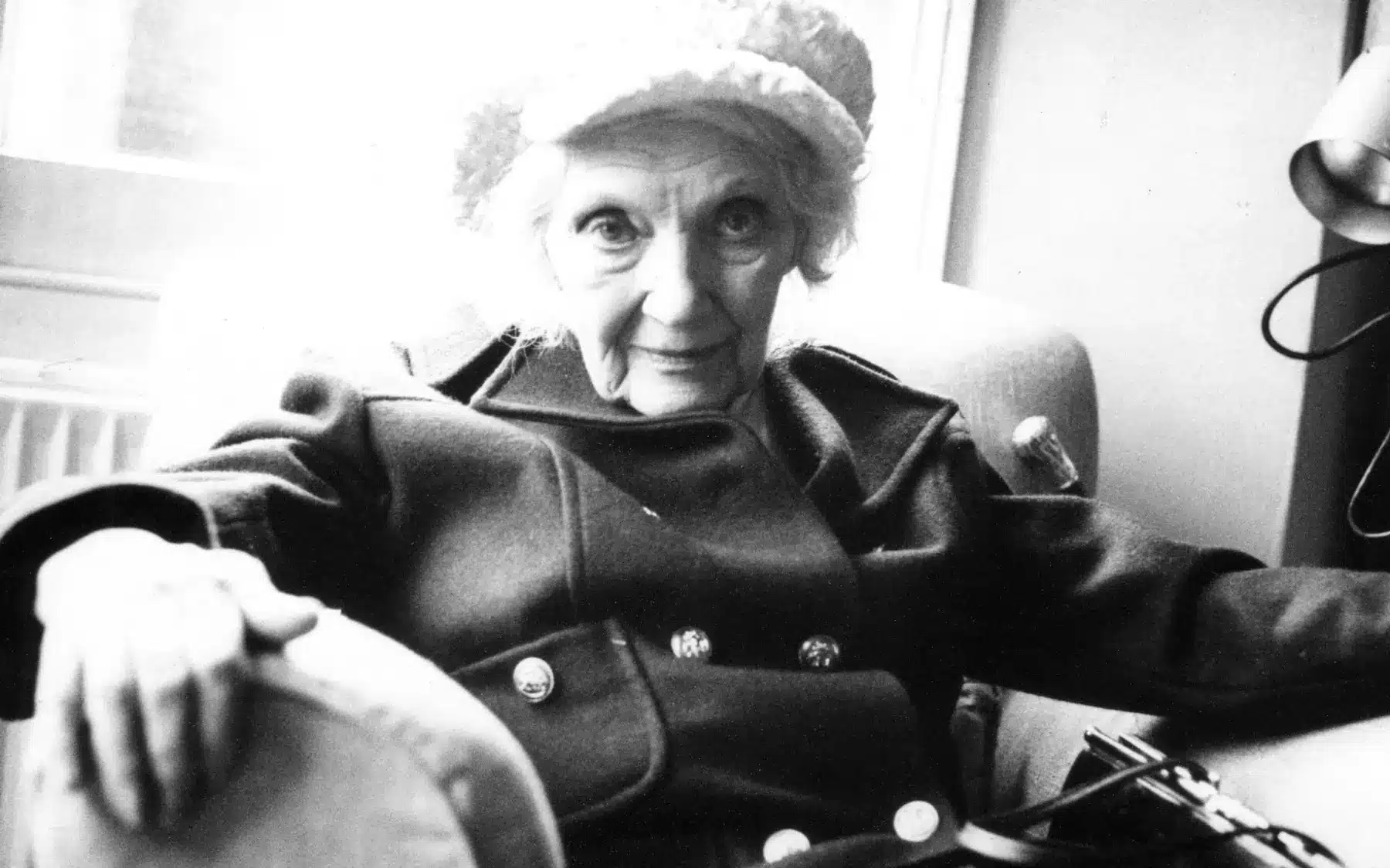
Jean Rhys was a modernist writer best remembered for her novel, “Wide Sargasso Sea.” Rhys drew on memories of her distant childhood for “Wide Sargasso Sea,” which is a prequel to Charlotte Brontë’s novel, “Jane Eyre.”
However, she wrote a whole body of work much earlier in her career. During the 1920s and 1930s, Rhys wrote both short fiction and novels that featured vulnerable, impoverished young women living precarious lives. Many of her books and stories were set in Paris and other European cities.
Much of her novels are seen as autofiction, in that they follow the trajectory of Rhys’s own transient youth. Rhys’s books and stories feature a stream-of-consciousness style and sparse narratives that question and provoke discussion into women’s lives and place in a society often weighted against them. Rhys is recognized as a post-colonial writer.
The Challenging Life of Jean Rhys
Born Ella Gwendoline Rees Williams — the daughter of Minna Williams (nee Lockhart), a third generation Dominican Creole, and William Rees Williams, a Welsh doctor in Dominica — on August 24th, 1890. Rhys was sent to England at the age of 16. There she lived with an aunt and attended the Perse School for Girls in Cambridge. She was mocked for her strange accent and for being an outsider. She later attended for two terms at the Royal Academy of Dramatic Art. Again, her accent caused her problems with acting. This obstacle led her to tour the U.K. as a chorus girl instead. She also later worked as an artists’ model.
She became the mistress of a wealthy stockbroker named Lancelot Grey Hugh Smith. Refusing to marry her, he still maintained some ongoing financial support for her.
Rhys lived an often transient existence in London, longing to return to her homeland. However life had not been particularly easy for Rhys in Dominica either. The daughter of a somewhat ambivalent mother, she had often felt isolated as a child due to her whiteness amongst a predominantly Black community. She even went so far as to claim her wish that she could be Black, so as to feel more acceptable.
Rhys’s first husband was Willem Johan Marie Lenglet (known as ‘Jean’). Lenglet was a French-Dutch journalist and the first of Rhys’s three husbands. The couple lived in Paris, a city that inspired much of Rhys’s writing.
Giving birth to a son, this child died at just a few weeks old of pneumonia. Rhys and her husband were out when her child died, and she lived with the fact of her son’s neglect. Living precariously between Paris, Vienna and Budapest, before returning to Paris, Rhys gave birth to a second child, Maryvonne. Leaving her daughter in various orphanages whilst she attempted to procure money, Rhys and Lenglet refused to put Maryvonne up for adoption. Maryvonne was reunited with her parents in 1927. After her parents’ divorce, Maryvonne lived mostly with her father in Europe.
Rhys’s second marriage was to agent Leslie Tilden-Smith. Tilden-Smith died in 1945.
In 1947, Rhys married for a third time. Her third husband Max Hamer was a solicitor, who was convicted of fraud shortly after their marriage. Rhys stood by him, despite living in abject poverty. They later lived in a house in Devon, purchased by Rhys’s older brother. Hamer died in 1966, just before Rhys finally found literary success with the publication of “Wide Sargasso Sea.”
Sadly Rhys often lacked agency in her own life, suffering from her experience of displacement. She was reported as being quite childlike, even in her later years. This personality feeds into many of her fictional literary characters. In her book, “Stet,” editor and writer Diana Athill described the process of nurturing Rhys through the publication and republication of her novels and short stories.
Rhys’s first novel to be written was “Voyage in the Dark,” which started in draft form as a diary in a series of black notebooks in 1911. Rhys stored the notebooks in a suitcase. “Voyage in the Dark” eventually became her third novel to be published in 1934.
The autobiographical nature of the material, written originally as a diary, gives some indication as to why critics have long suggested that Rhys represents her own life in many of her female characters. Rhys has been “accused” of making her female fictional characters merely representations of the same woman, portrayed at different stages of life. But to identify all of Rhys’s characters as being representations of her own experience limits her as a writer.
Many of Rhys’s other novels and short stories also feature incidents within her own life, including her first husband’s stint in prison, her brief spell in a women’s prison herself, and forays into prostitution. No stone in her own life experience appears to have been left unturned.
In her first novel to be published, “Quartet,” Rhys explored her real life relationship with writer Ford Madox Ford. Ford was Rhys’s one-time patron who encouraged her to write, advising her to change her name to “Jean Rhys.” Finding herself alone and penniless in Paris, Ford and his wife Stella Bowen invited Rhys to move in with them. Ford then started an affair with Rhys, of which he claimed his wife was aware.
Through fictionalized characters in “Quartet,” Rhys exploits the “facts” of this setup. She shows a complex relationship whereby the young female lodger, Marya Zelli, is taken in by an English couple after being stranded in Paris by her jailed Polish husband. The book went on to inspire Ford, Bowen and Rhys’s ex-husband, Lenglet, in writing their own versions of the story.
In Kathleen Wheeler’s introduction to “Modernist Women Writers and Narrative Art,” she claims that:
“Rhys herself denied that her fiction was autobiographical, adding the important disclaimer that ‘the feelings are always mine.’”
Although Rhys is seen as an early modernist writer, her work is very different from other literary modernists such as Virginia Woolf. She utilizes many of the commonalities of modernism, but her work exhibits a wholly original register.
Whilst Rhys wasn’t the first writer to weave elements of autobiography into her work, what is unusual about Rhys’s female protagonists is their almost pathologically repetitive failures. This theme is where her work differs significantly to many modernist tropes. In a Rhys story, there are often revelations realized at the conclusion of the protagonists’ story similar to the traditional ‘epiphany’ seen in many modernist texts. However, no redemption or resolution is found.
Famously a difficult and obstinate writer, Jean Rhys lived much of her later life as a recluse in Bude, Cornwall, in England in the late 1950s and early 1960s. Rhys referred to this area as “Bude the Obscure.” In the 1960s Rhys moved to a small village in Devon.
Falling into obscurity, Rhys often turned to alcohol to deal with her loneliness and what she often saw as rejection by the literary community. Rhys was ‘re-discovered’ when writer and actor Selma Vaz Dias put out an advertisement to enquire about her whereabouts. She was seeking the rights to adapt one of Rhys’s novels, “Good Morning Midnight,” for radio. Many had presumed that Rhys had died in obscurity. Luckily, Rhys responded, leading to a long-lasting and collaborative friendship between the two women, including Dias encouraging Rhys to begin writing again.
Rhys had begun work on “Wide Sargasso Sea” sometime in the 1950s. When U.K. publisher Andrè Deutsch showed interest in publishing the novel, editors Diana Athill and Francis Wyndham assisted her in publishing the book. Both editors believed in Rhys’s talent and began the attempt to revive interest in her work. This collaboration led to the re-publication of her earlier short stories and novels. Andrè Deutsch also published some of Rhys’s newer short fiction, written during her period of obscurity.
When she died at age 88, Rhys left behind an unfinished autobiography she had begun dictating only a few months before her death. This book was published posthumously as “Smile Please: An Unfinished Autobiography.” The book covers fragments of Rhys’s early life growing up in Dominica, as well as her experiences as a young woman. But perhaps it is within her fiction that we find more of the truth of Rhys’s experience of life.
The Books of Jean Rhys
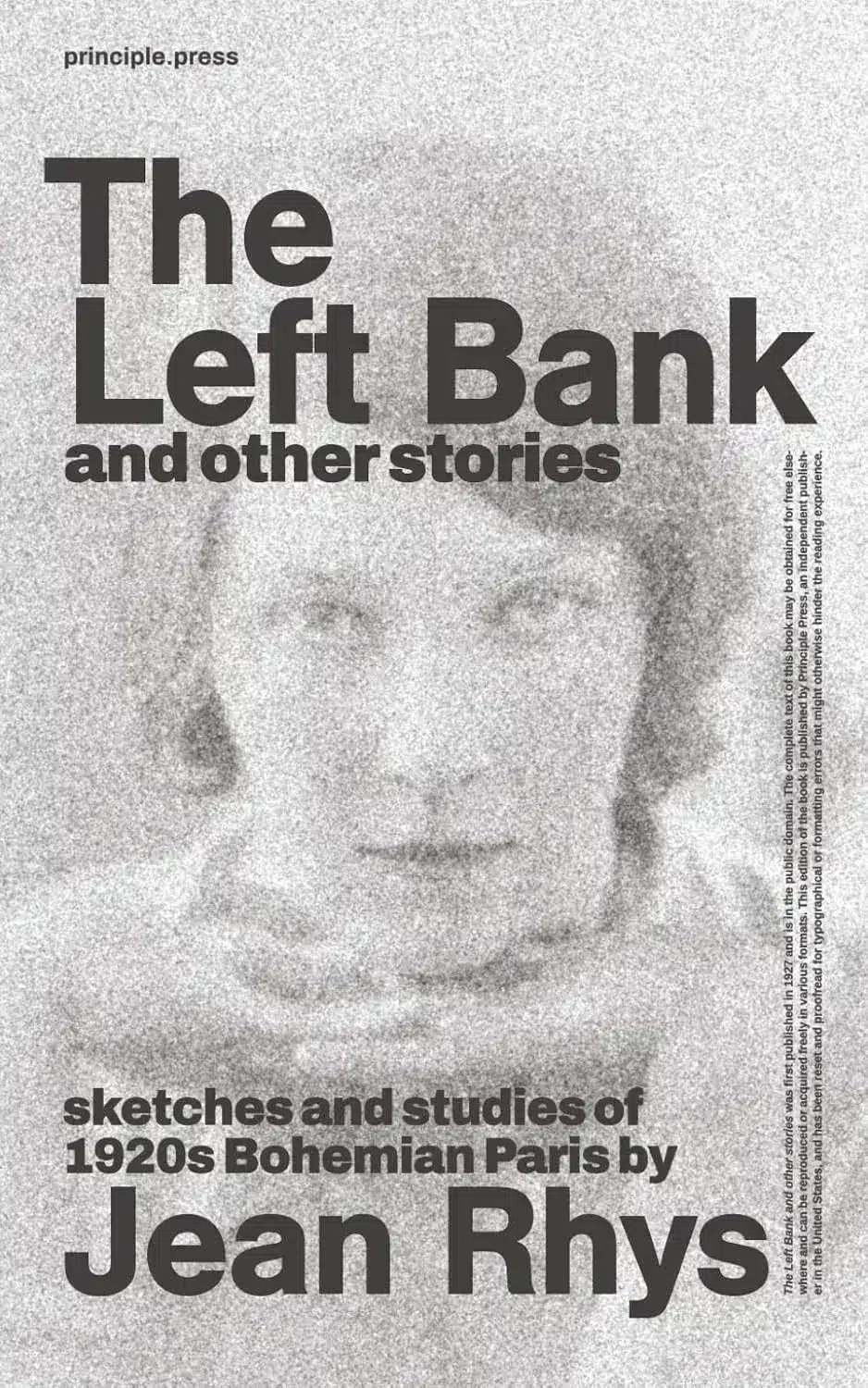
“The Left Bank and Other Stories” contained a preface by Rhys’s patron, Ford Madox Ford. The book contains twenty-two impressionistic stories written as vignettes of Paris life. Critics have seen this work as significantly ahead of its time in terms of style, tone and theme.
Reviews
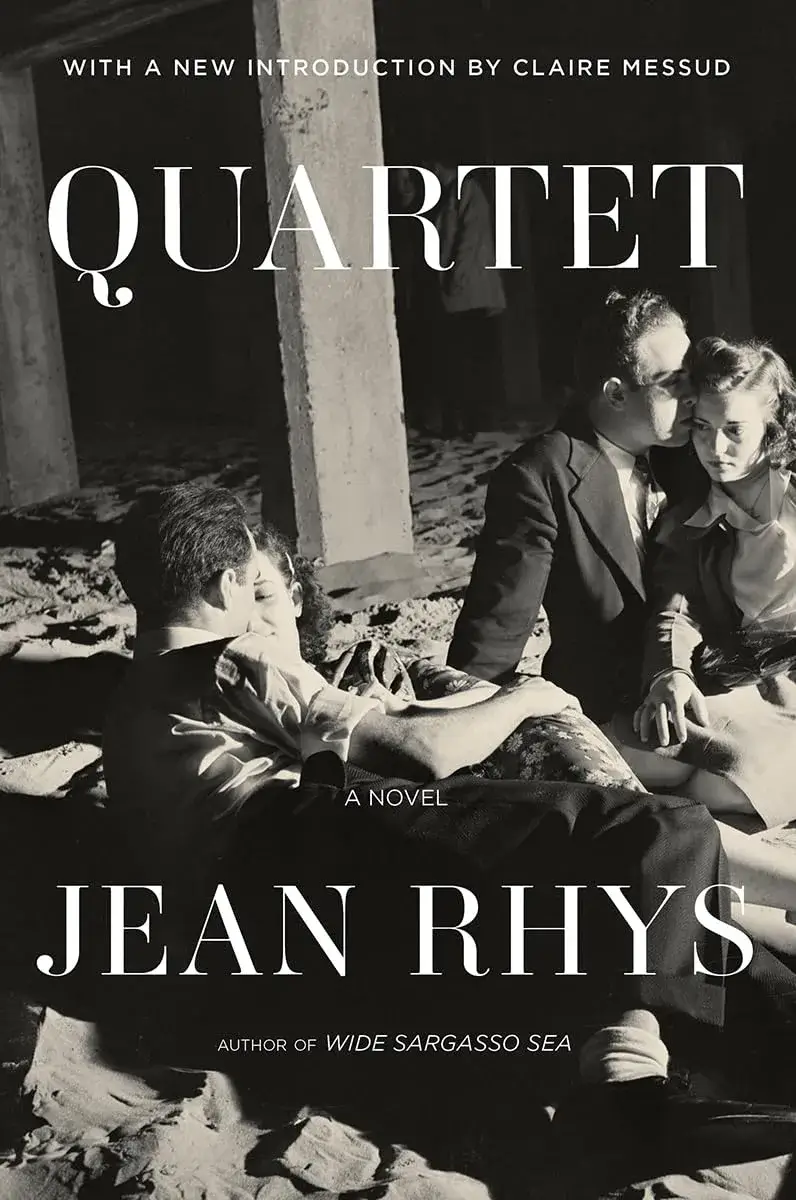
Published under the name “Postures” in the U.K., a title which Rhys did not approve of, the book quickly became known under its U.S. title of “Quartet.” The novel follows the themes of the Paris bohemian cafè scene. It is based on the real-life relationship between Rhys and Ford Madox Ford. The New York Times reported on the re-issue of the novel in a 1971 review stating that Rhys writes with a “miraculous spontaneity” and an ability to “keep calm while reporting a catastrophe.”
Reviews
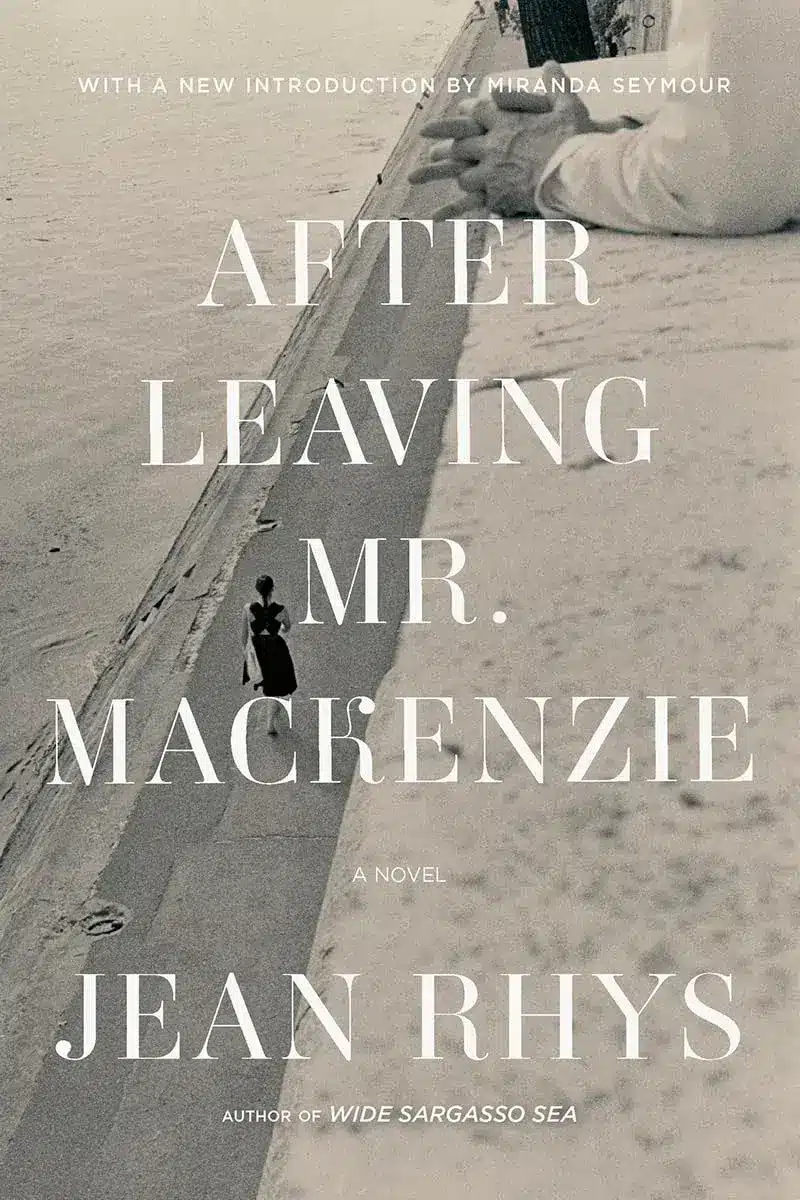
“After Leaving Mr. Mackenzie” is set in interwar Paris and London, it follows on from “Quartet” from an autofictional perspective. “After Leaving Mr. Mackenzie” tells the story of Julia Martin as she struggles through the post-break up of a relationship and the difficulties of living alone as a woman without financial means. Writing in The Guardian in 2005, Christine Pountney drew attention to the book and to Rhys’s “fierce talent,” and “fresh, modern, experimental” work. She also proclaimed that Rhys “had an ability to see what others could not, or refused to see, and the guts to write about it.”
Reviews
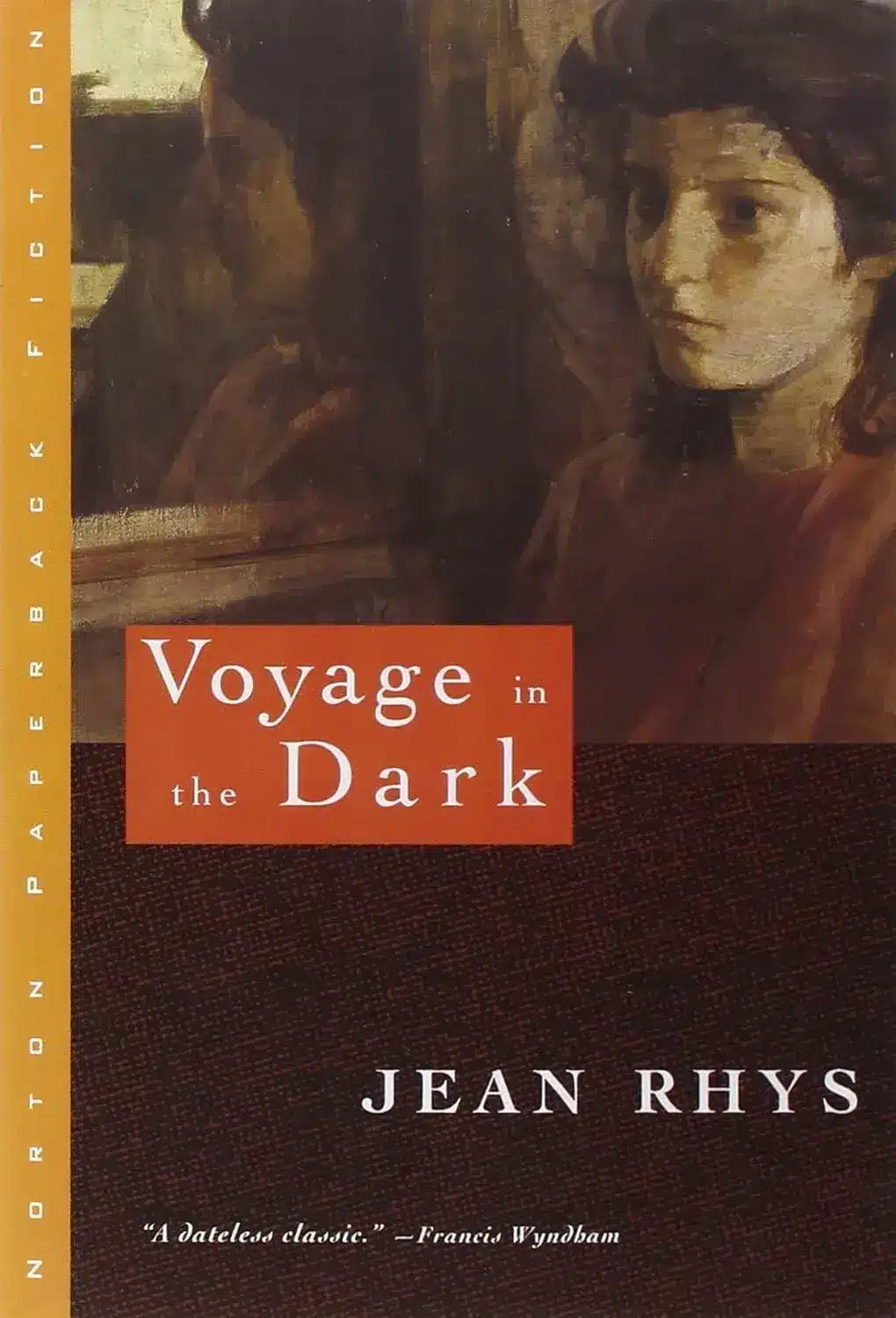
“Voyage in the Dark” tells the story of Anna Morgan, a newly arrived immigrant from the Caribbean to England. Anna works as a touring chorus girl and becomes involved with an older man in order to find financial security. Whilst it is easy to read Rhys’s female characters as simply ciphers for Rhys herself, none could be said to apply more so than Anna Morgan in “Voyage in the Dark.” Anna identifies with the author in her Creole identity, her disappointment at finding herself in a cold and unwelcoming London, her ‘otherness’, and so on.
In discussing the protagonists’ vulnerabilities of being an outsider in Britain, author Leila Aboulela claimed that the book “haunts everything I write.”
Reviews
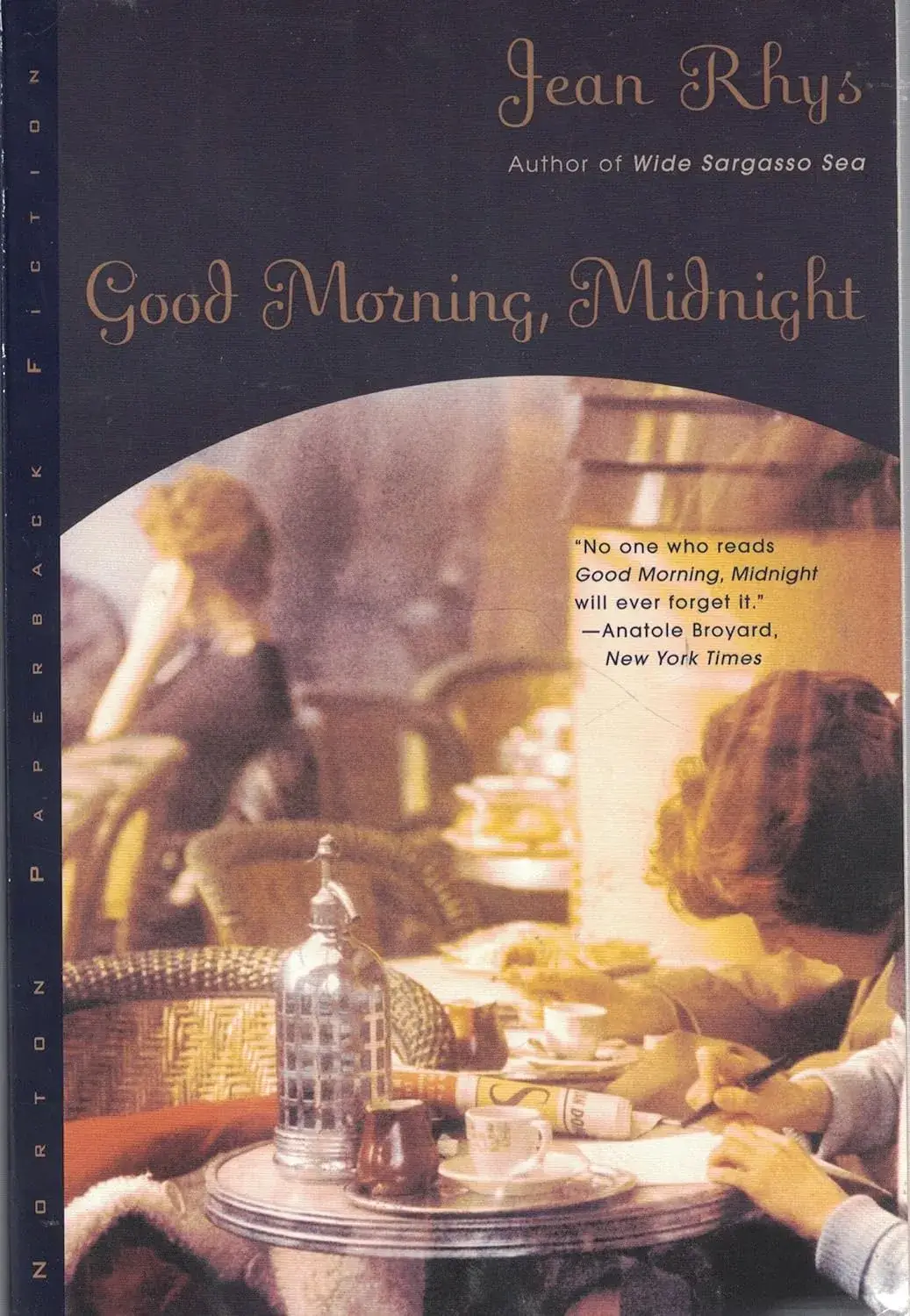
In this experimental novel, Rhys reveals the protagonist Sasha Jansen’s vulnerability and loneliness during the interwar years. Again it is set in Paris, where Sasha has returned after a period of absence. She is a heavy-drinker, takes sleeping pills, and becomes haunted by her past. This leads her to depression and an act of desperation. The book has been seen by some critics as “intolerably depressing.” Whilst this is fairly universally acknowledged as the case, a review in Lonesome Reader references the book as an “extremely dark eloquently written novel” which “is a fascinating portrait of someone clinging to life by her nails.”
Reviews
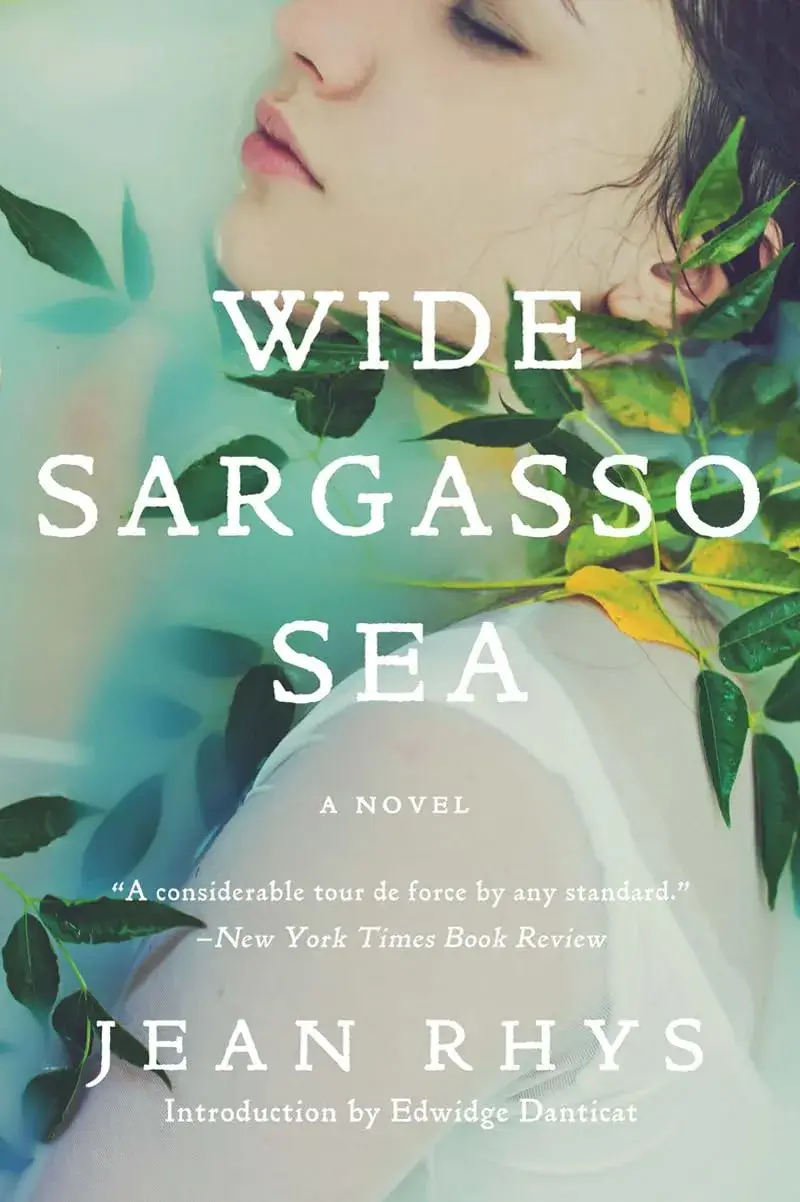
“Wide Sargasso Sea” is a prequel to Charlotte Brontë’s novel “Jane Eyre.” “Wide Sargasso Sea” focuses on the untold story of Brontë’s “Bertha,” the “mad woman in the attic.” Rhys gives voice to Bertha in the form of her protagonist, Antoinette, showing how the turns of fate lead her to become imprisoned and deemed “mad” by Victorian aristocratic society. Rhys explores the themes of colonisation and the fate of the white Creole woman. The character of Antoinette straddles the European world of her ancestors and the Caribbean culture into which she is born.
“Wide Sargasso Sea” tends to be the most read of Rhys’s novels, and the book for which she is undoubtedly most famous. It led to her acceptance in the classical canon as a post-colonial writer. Writing in The Paris Review, author Danielle McLaughlin referenced “Wide Sargasso Sea” as illuminating and confronting the narrative of Brontë’s earlier novel.
Reviews
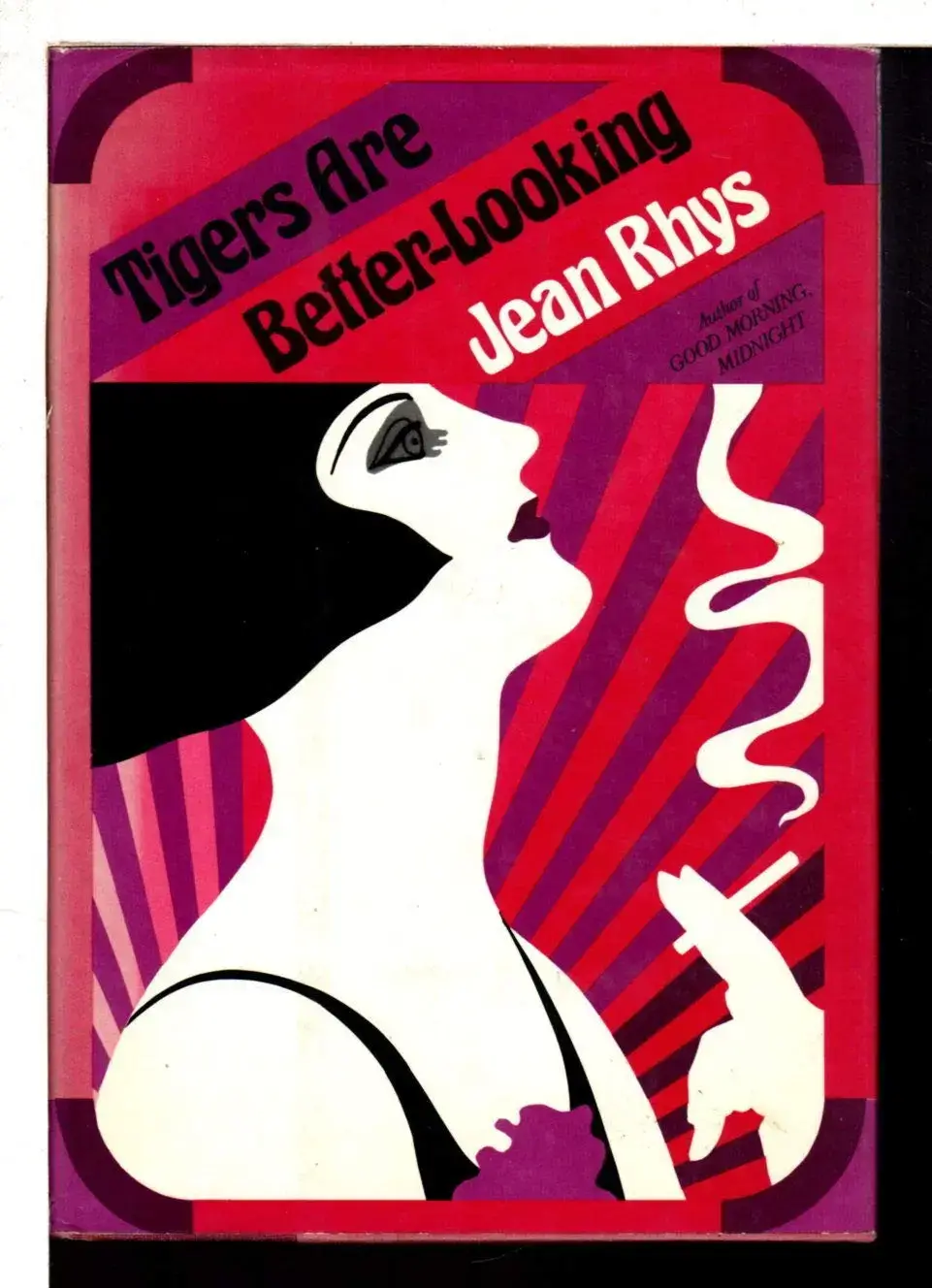
This collection features eight new stories written by Rhys during her period of obscurity in the 1950s and nine re-published stories from “The Left Bank and Other Stories.”
Reviews
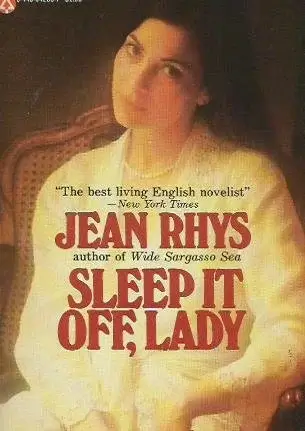
“Sleep It Off Lady” features Rhys’s final sixteen short stories. There is also a later “Jean Rhys: The Collected Short Stories” published in 1987 by W.W. Norton and Company with an introduction by Diana Athill. This features three previously unpublished stories.
Reviews
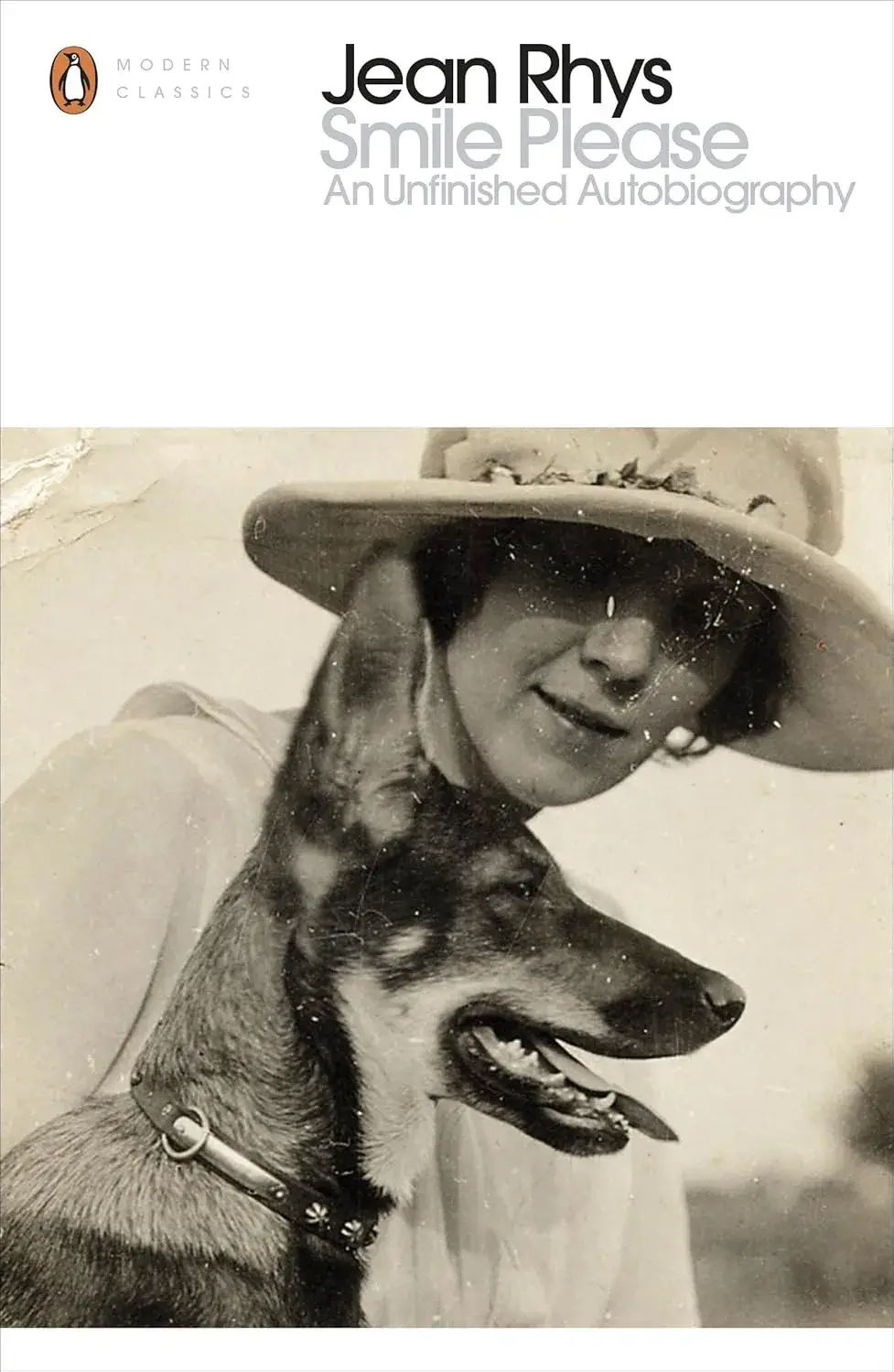
Edited by Diana Athill, the book contains one half of childhood memories by Rhys and a second half of fragments about her adult life. The text ends in 1923 and the two sections are separated by photographs.
Reviews
Amazon
Awards Won by Jean Rhys
Rhys’s later novel “Wide Sargasso Sea” finally saw her receiving some literary recognition. “Wide Sargasso Sea” was awarded both the WHSmith Literary Prize and the Royal Society of Literature Prize on its publication in 1966.
Jean Rhys On Screen
There have been three film versions of “Wide Sargasso Sea.” The first appeared in 1991 and was titled “Sargasso: A Caribbean love story.” It is a hybrid film, blending the history of Jean Rhys with the story of the novel. 1993 saw the issue of the full movie version of the book, “Wide Sargasso Sea.” There is also a 2006 TV movie of the same name. A 1981 period drama of “Quartet” from director James Ivory has also been made.
There are also some short films based around the work of Jean Rhys, among other female writers.
Notable Quotations of Jean Rhys
Despite her late literary success, Rhys was not a happy woman. She remained living in her remote spot in Devon until her death, commenting that her literary success had “come too late.”
When asked shortly before her death on May 14th, 1979, about her writing life, she responded that she would “rather be happy than write.” In a 1990 Guardian interview, Rhys referenced herself as: “A doormat in a world of boots.”
Regarding the style of her modernist novels, Rhys remarked:
“I like shape very much. A novel has to have shape, and life doesn’t have any.”
Similar Authors to Jean Rhys
- Katherine Mansfield
- Virginia Woolf
- Anaïs Nin
- Maryse Conde
- Jamaica Kincaid

Get recommendations on hidden gems from emerging authors, as well as lesser-known titles from literary legends.