TLDR
Academic institutions often extol acclaimed literary authors who are later revealed to be immoral. Young writers can avoid disappointment and cultivate better politics by questioning the literary establishment during their college years and beyond.
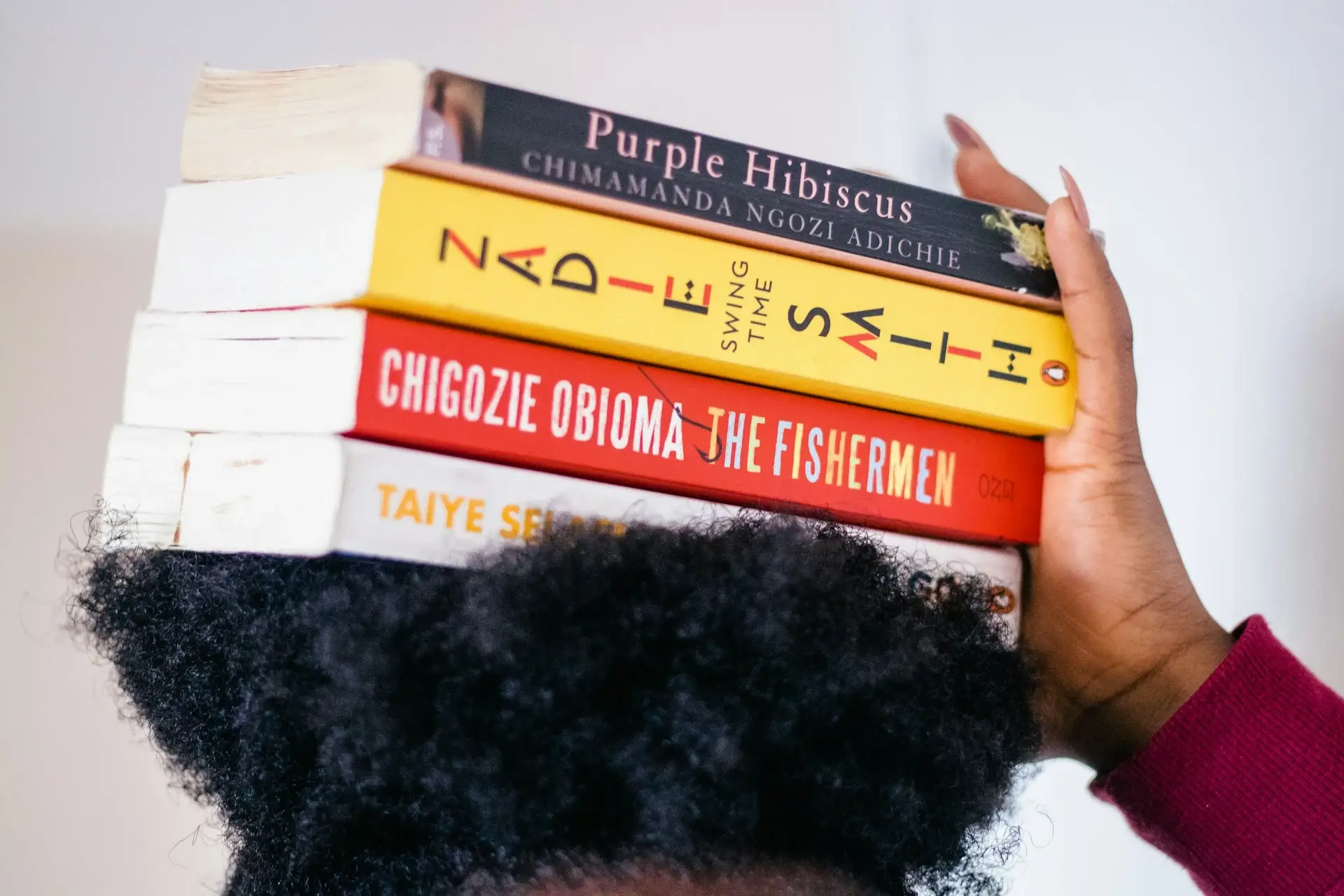
When I was in my undergraduate creative writing minor at NYU, the professors and administrators in the program were particularly obsessed with two authors: Junot Diaz and Zadie Smith. NYU staff presented work from these authors as if it was perfect. Both authors taught classes in the program.
Most of my classmates fawned over them, assumed they were net positive forces in the world. The vast majority of us believed Diaz and Smith were aligned with basic left political issues such as feminism and anti-Zionism.
In 2018 author Zinzi Clemmons accused Diaz of forcibly kissing her when she was in grad school. She also alleged that she was not the only victim. Others who had met him shared many stories that painted a pattern of misogynistic, arrogant, rude and creepy behavior.
More recently, Zadie Smith wrote an essay that sympathized with American Zionist students over anti-Zionist students. Her fans, who are largely self-described left anti-Zionists, were disappointed with Smith’s perspective. In a 2024 opinion article for Hyphen titled “My literary idols have failed the moral test on Gaza,” contributor Nadine Asbali wrote, “In a conflict in which tens of thousands of children have been murdered and maimed, Smith focuses on the feelings of an imagined Jewish student.”
Every aspect of society has an ‘establishment’ wing that tends to align with the status quo and against average young people. In literature, there is what I like to call “the literary establishment”: a group of neoliberal critically-acclaimed authors, literary agents, publishing house professionals, literary nonprofit members and elite book club owners who only elevate books that are not a threat to two-party system politics.
The earlier you learn to question this system, the sooner you can develop politics that actually threaten the status quo and align with left rhetoric. This mindset is useful for avoiding unhealthy hero worship that usually leads to disappointment.
How to Make Time for Exploring Anti-Establishment Politics
I began my creative writing minor in 2011. I didn’t fully leave the two-party system until after 2020. If I had actively challenged the literary establishment earlier, I wouldn’t have wasted time seeking validation from a system that elevates undeserving authors like Diaz and Smith.
Now I wonder why the journey took so long. There were likely many reasons, but let’s focus on the one most relevant to young people, especially those in college: being swamped with busy work. Of all the assignments I had, about half of them did not teach me anything important, nor did they grow my intellect.
If you’re in this situation, I recommend finding efficient ways of getting your busywork assignments done. That way you’ll have more time to explore radical anti-establishment literature. One method is trying EduBirdie assignment help online. Right now professors are primarily looking for AI writing tells. Getting help from fellow human beings is less risky and more ethical.
Where to Start Learning
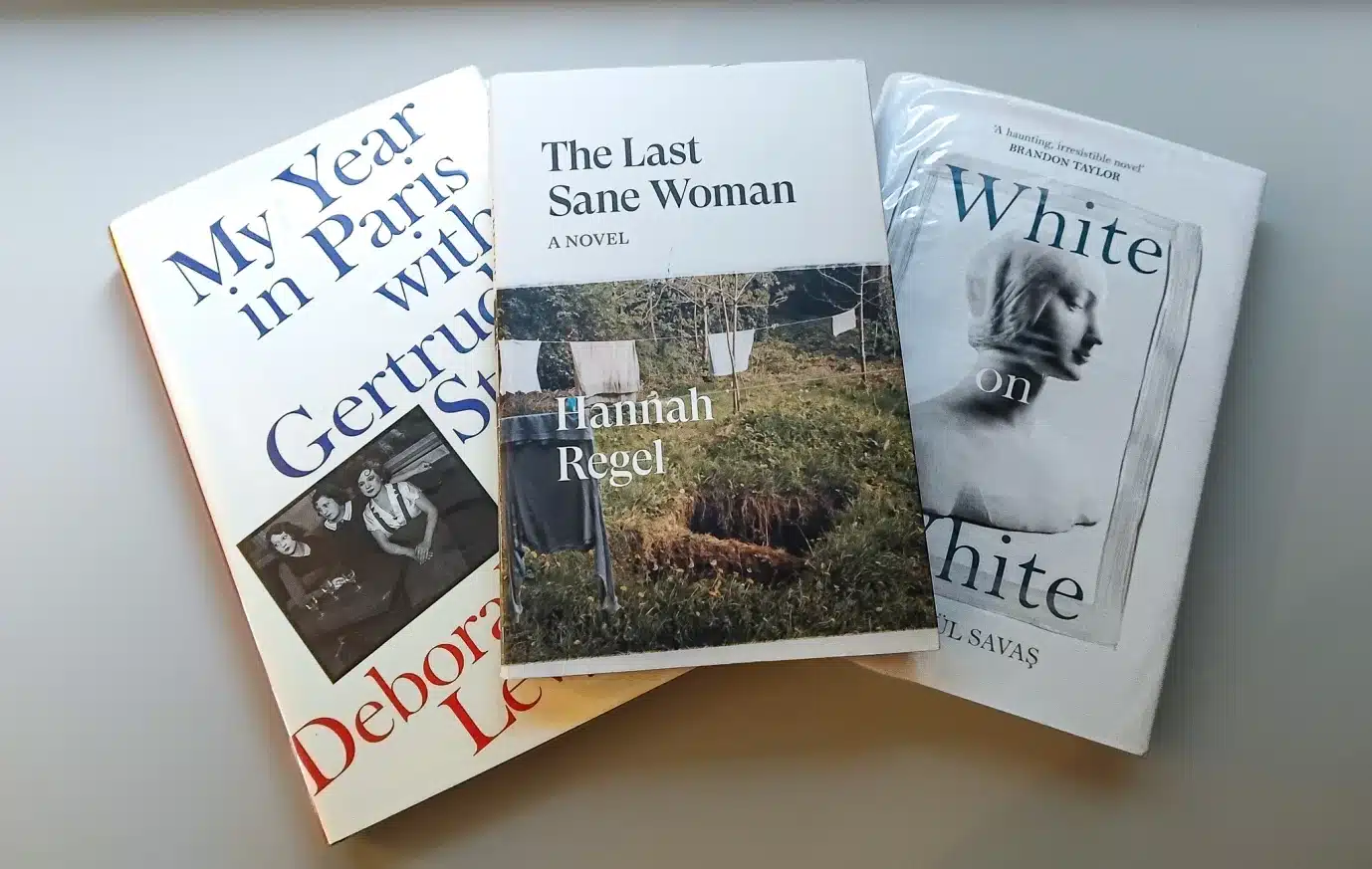
Obviously I’m going to plug The Rauch Review because it’s my own publication, and we are all about the intersection of literature and far left politics. Once you finish up here and feel ready for books, below are some far left writers who will also attempt to persuade you out of the two-party system where true feminism and anti-Zionism exist:

Get recommendations on hidden gems from emerging authors, as well as lesser-known titles from literary legends.