TLDR
Video games, specifically MMOs (massively multiplayer online games), have influenced prose, storylines and narrative structures in popular literary fiction titles.
Literature has always absorbed the obsessions of its era. In the 19th century it was industrialization. In the 20th century it became cinema, advertising and television.
Today writers increasingly borrow ideas, structures and symbolism from online games. Massive multiplayer worlds are no longer niche hobbies hidden away in internet culture. They have become environments that influence how people think about identity, achievement, repetition and storytelling itself.
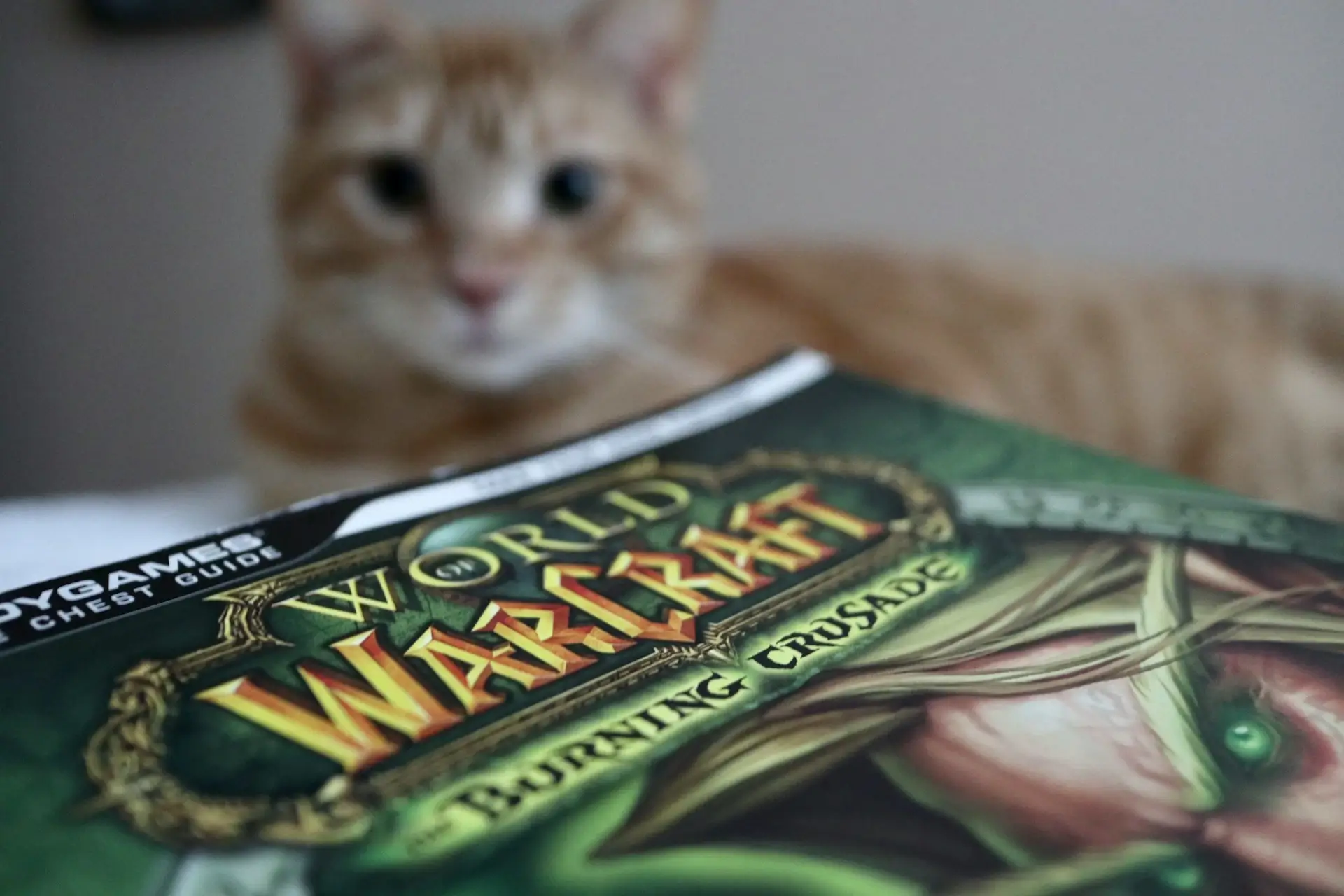
One of the clearest examples comes from “World of Warcraft” communities where players build narratives around progression, prestige and cooperation. Even phrases like March on Quel’danas Mythic Boost now operate almost like insider literary references. To outsiders the phrase may sound technical, but inside gaming culture it carries meaning connected to nostalgia, status, shared experiences and social belonging.
Gaming terminology is slowly becoming part of modern internet language in the same way fantasy literature once introduced entirely new vocabularies into pop culture.
How MMORPGs Changed Narrative Structure
Traditional novels usually move in a straight line. MMORPGs (Massive Multiplayer Online Role-Playing Games) function differently. Players repeat encounters, revisit locations and reinterpret experiences through changing group dynamics. This cyclical structure has started influencing online writing styles and even contemporary fiction.
Repetition as Storytelling
In online games, repetition is not failure. Repeating a difficult raid or dungeon becomes part of the emotional journey. Players slowly improve, learn mechanics and build collective memories through failure and success.
Modern digital storytelling increasingly mirrors this loop-based structure. Many essays, blogs and internet narratives now rely on recurring themes, resets and fragmented timelines similar to seasonal gaming systems.
“World of Warcraft” is especially important here because it combines routine with mythology. A player may spend hours optimizing statistics or farming gear, but emotionally they are participating in a collaborative fantasy epic. Raiding often resembles theater more than competition: every participant learns a role, rehearses encounters and contributes to a synchronized performance.
Here are some examples of modern novels, short pieces and series that embody this repetition element:
- “Frieren: Beyond Journey’s End” by Kanehito Yamada and Tsukasa Abe
- “Ganondorf and My Arab-Ashkenazi Journey” by Joseph Rauch
- “The World of Pondside” by Mary Helen Stefaniak
Guilds as Collaborative Storytelling Communities
Gaming communities also transformed the way people discuss expertise and criticism. Literary culture once relied mostly on academic institutions and professional critics. MMO communities created something more decentralized. Guild forums, Discord channels, Reddit essays and strategy guides became spaces where players collectively interpret stories, mechanics and experiences.
This dynamic resembles older literary traditions more than many people realize. Medieval readers annotated texts together. Science-fiction fandoms built entire subcultures around shared terminology and collaborative interpretation. MMO communities simply accelerated that process through digital communication.
A raid guide today can function as several items at once:
- A technical manual
- A personal memoir
- A community archive
- A piece of collaborative storytelling
That mixture of formats explains why gaming culture now influences long-form internet writing so heavily.
These stories feature collaborative gaming and even raid guides specifically:
- “88 Names” by Matt Ruff
- “Welcome to the N.H.K.” anime series
- “Ready Player One” by Ernest Cline
The Cultural Meaning Behind Boosting
Critics often misunderstand boosting culture because they only view it as a transaction. In reality, boosting represents something much larger within online communities.
Prestige and Access
When players pursue high-level progression content, they are often chasing participation in exclusive experiences rather than simple rewards. Prestige systems in MMOs work similarly to exclusive literary or artistic circles. Rare mounts, titles and achievements become symbols of identity and dedication.
Boosting culture exists partly because many players want access to those experiences without spending months navigating difficult progression systems. Terms like “carry,” “boost,” and “mythic progression” may sound commercial, but emotionally they represent aspiration, recognition and social inclusion.
The aforementioned “88 Names” also covers boosting specifically.
Why MMO Stories Stay Relevant
Unlike traditional stories, MMORPG narratives never fully end. Expansions rewrite history, patches alter gameplay “canon,” and communities constantly reinterpret older content through nostalgia. Guild histories become oral traditions. Famous raid wipes become jokes repeated for years. Entire servers develop reputations and mythologies unique to their communities.
This history creates something rare in modern culture: a living narrative world shaped collectively by millions of participants.
Why Gaming Culture is Influencing Literature
Many people still underestimate the literary influence of online games because they compare them to older entertainment models. The same thing happened with comic books, detective fiction, and early cinema criticism before those mediums gained cultural legitimacy.
Internet Writing and MMO Influence
Gaming culture has already transformed online writing styles:
- Faster pacing
- Abrupt tonal shifts
- Mixing irony with sincerity
- Combining technical analysis with autobiography
- Community-driven interpretation
Long-form essays about games often blend criticism, personal reflection, sociology and fantasy storytelling in ways that traditional media rarely attempted before internet culture evolved.
The New Digital Mythology
The most fascinating part is that many players do not even realize they are participating in a modern literary ecosystem. MMORPGs create shared myths for the digital age. Players archive memories, preserve stories and reinterpret experiences collectively over many years.
“World of Warcraft” and similar games are no longer just entertainment products. They are cultural worlds with rituals, hierarchies, symbolism, folklore and evolving narratives. In many ways, MMORPGs became the serialized epics of the internet era — not replacing literature, but quietly reshaping how literature itself is written, discussed and experienced.

Get recommendations on hidden gems from emerging authors, as well as lesser-known titles from literary legends.