TLDR
Ken Kesey, author of “One Flew Over the Cuckoo’s Nest” and “Sometimes a Great Notion”, was a leading voice in the Beats era. His story spans from the Merry Pranksters and MKUltra to brief jail sentences and literary success.
Late one night while taking a peyote-induced trip, Ken Kesey visualized a schizophrenic Native American named Bromden. Kesey had been working on a book based in a psychiatric ward, inspired by his time as a nightshift orderly in a similar setting, but the project had stalled. This image of Chief Bromden reopened Kesey’s imagination — he now had a narrator for his story. “One Flew Over the Cuckoo’s Nest” began to take shape.
“Cuckoo’s Nest” marked the beginning of Kesey’s writerly acclaim and career success. But his story begins much earlier. It includes partaking in CIA-organized tests of psychoactive drugs, serving a jail sentence for marijuana possession and leading the charge of the Merry Pranksters, a collective of voices from the Beats era known for their “happenings.”
This Prankster-in-Chief maintained a sprawling life that gave way to a monumental body of work.
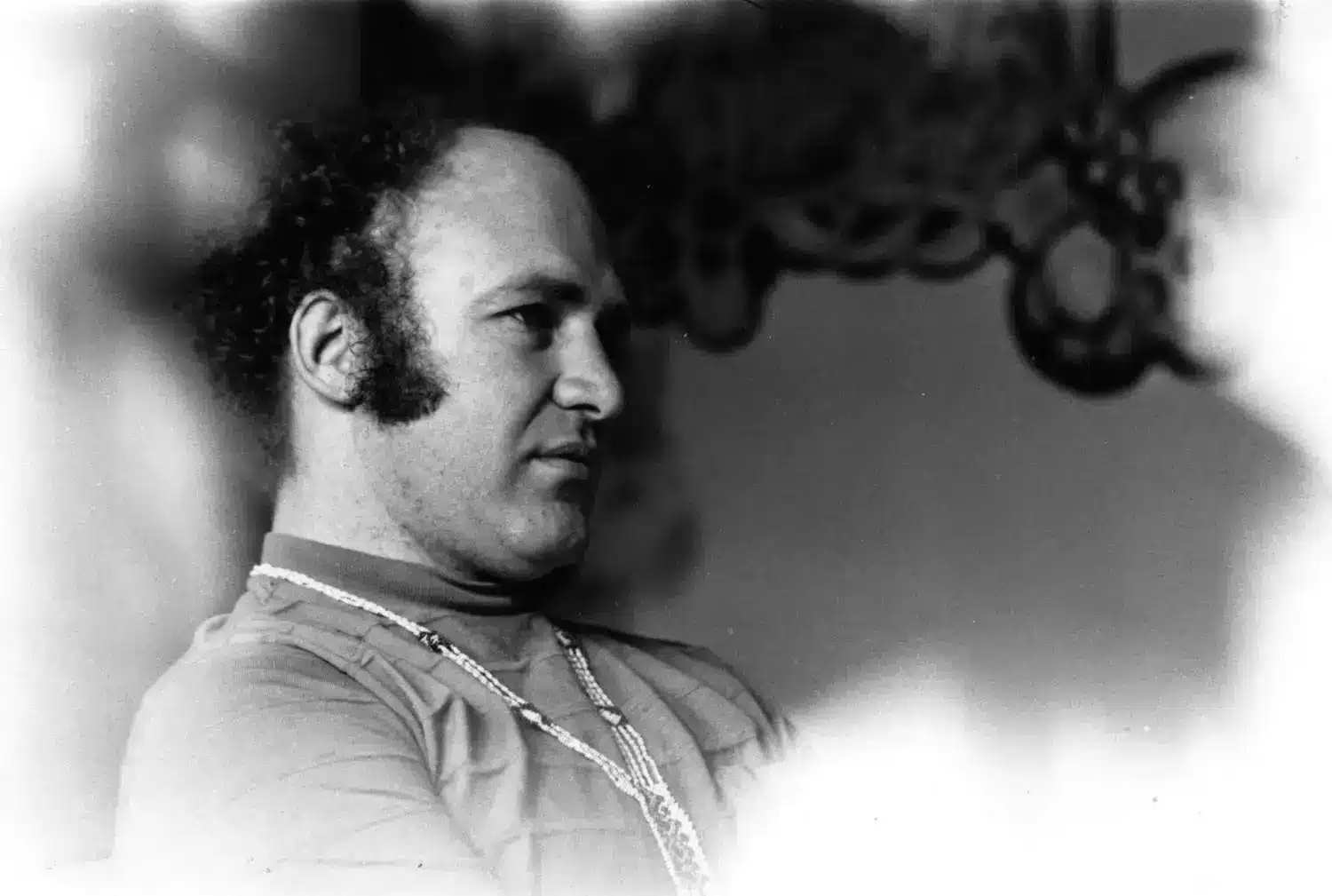
Editorial Note: Image credit to Getty Images
Ken Kesey: Writer From Small-Town Oregon Grows Into a Literary Giant
Kenneth Elton Kesey was born in La Junta, Colorado on September 17, 1935, and grew up in Springfield, Oregon. He graduated from the University of Oregon in 1957 and then headed to Stanford University, where he attended a graduate fellowship in creative writing. There he started writing “Cuckoo’s Nest.”
Kesey won $2,000 from the Harper-Saxton Prize for his in-progress manuscript. He also audited a graduate writing seminar, where he met fellow writer Tillie Olsen. During his time at Stanford, Kesey built connections with several other writers like Wendell Berry, Ken Babbs and Larry McMurtry.
While in California, Kesey was at the center of the counterculture revolution in the mid-1960s. His work features themes that align with both the Beat Generation in the 1950s and the hippies of the 1960s. He famously referred to himself as “too young to be a beatnik, and too old to be a hippie.”
As the story goes, Kesey was misled into partaking in the CIA-sponsored Project MKUltra, a top-secret military experiment that was testing the influence of hallucinogenic drugs on interrogation. Kesey’s experiences would help inform “Cuckoo’s Nest.”
Once “Cuckoo’s Nest” was published in 1962, Kesey moved to La Honda, California. He started hosting “happenings” with colleagues from Stanford, and the group became known as the Merry Pranksters. During this time, Kesey was introduced to Jack Kerouac, Allen Ginsberg and Timothy Leary — all of whom influenced and inspired Kesey’s subsequent work.
Readers can garner some insight into these “happenings” from the 1968 New Journalism book “The Electric Kool-Aid Acid Test,” written by Tom Wolfe. To the public, these gatherings were described as Acid Tests. But, more specifically, for attendees, “happenings” often consisted of consuming LSD in tandem with multimedia performances.
When Kesey published “Sometimes a Great Notion” in 1964, he felt it was the best thing he would ever write. He had aspired to match the magnitude of William Faulkner’s Yoknapatawpha saga, a staggering collection of nearly 70 stories set in a small fictional Mississippi county.
After “Great Notion” was released, Kesey was asked to travel to New York City. Kesey, Neal Cassidy and the rest of the Merry Pranksters drove cross-country in a school bus nicknamed Furthur. Their goal for the trip was to make art out of everyday life. Parts of this journey are captured in Wolfe’s book and the documentary, “Magic Trip: Ken Kesey’s Search for a Kool Place.”
However, the next year, Kesey was arrested and imprisoned for five months after being accused of marijuana possession. Upon release, he returned to Oregon and moved to Pleasant Hill.
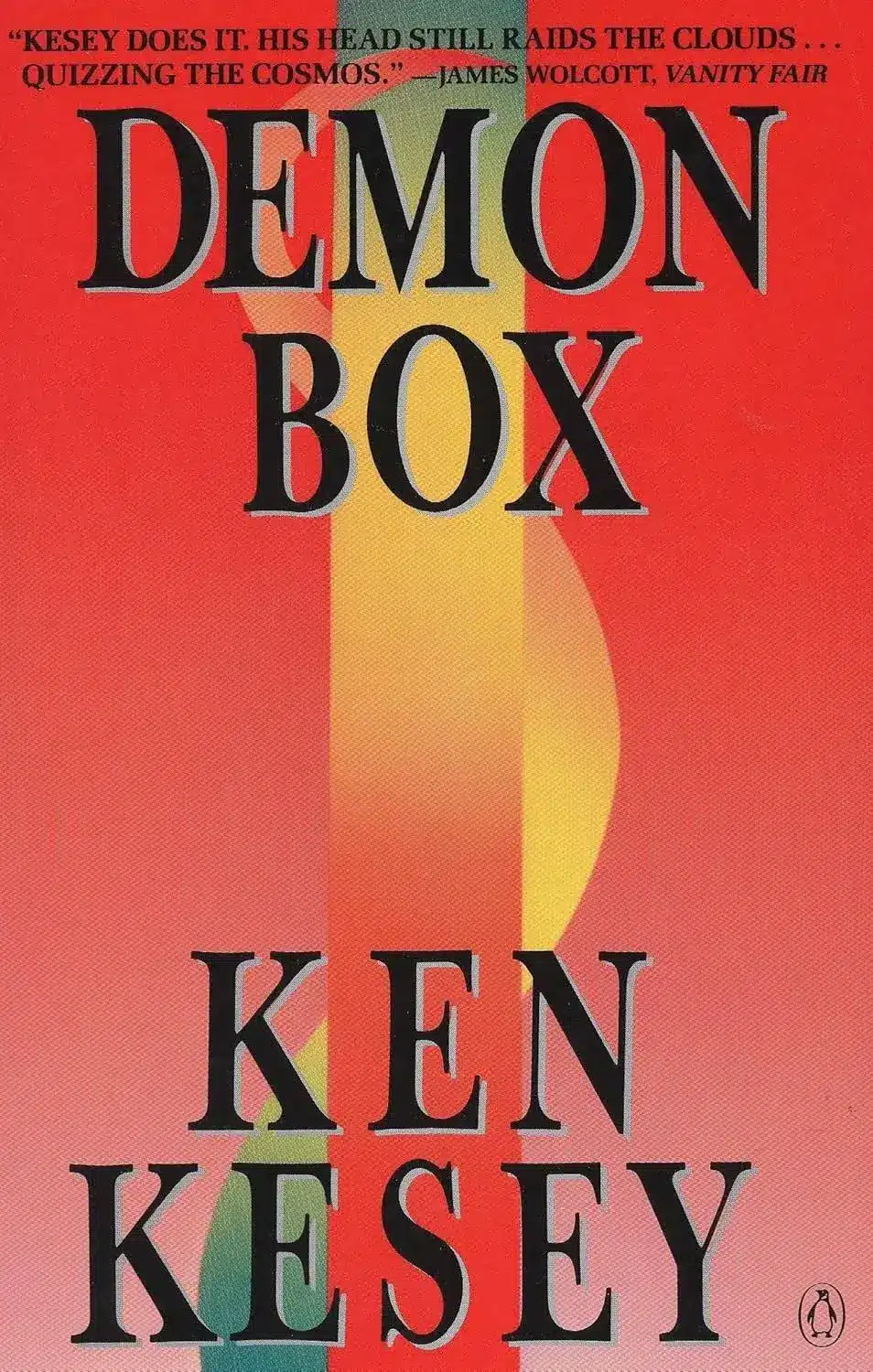
Kesey continued writing, often publishing short works with presses like Rolling Stone and Esquire. Many of these stories and personal essays appear in “Demon Box.” At the same time, he taught a graduate writing workshop at the University of Oregon. In the mid-1990s, Kesey reconnected with the Merry Pranksters to tour and perform a musical play.
By 1997, Kesey began to have health problems. He first suffered a stroke and then required surgery to remove a tumor on his liver in 2001. His body struggled to recover from the operation, resulting in his death at age 66.
Kesey’s Themes: Individualism, Free Will and Resistance to Conformity
Many themes in Kesey’s work mirror ideas at the heart of the counterculture revolution. By the 1960s, younger generations were frustrated by industrialization, social injustice and societal expectations placed on young people. They championed individual freedom.
For Kesey, mass society restricted individuality by promoting big business, government and religion. He saw two options for people in the 20th century
- conform to large mechanisms that govern their lives
- discover a way to maintain their individuality
In both “Cuckoo’s Nest” and “Great Notion,” readers can find examples of an individual fighting a centralized power. The former positions Miss Ratched, a tyrannical nurse, against the ward’s patients, including Bromden and McMurphy. She runs a tight program, with the looming threat of electroshock therapy for those who disobey her carefully laid structure.
“Great Notion” is widely considered to be Kesey’s magnum opus. It’s stylistically technical and complex, seamlessly shifting between time periods and perspectives. The novel demonstrates the toll of maintaining individualism in the face of technological advancements and encroaching modernity on a small Northwest community.
Kesey’s later works navigate similar themes. In “Sailor Song,” a Hollywood film company arrives on the doorstep of a small Alaskan village and seeks to transform the area into a theme park. The challenge of maintaining one’s sense of self when the path of least resistance is conformity is woven throughout much of Kesey’s work.
Books by Ken Kesey
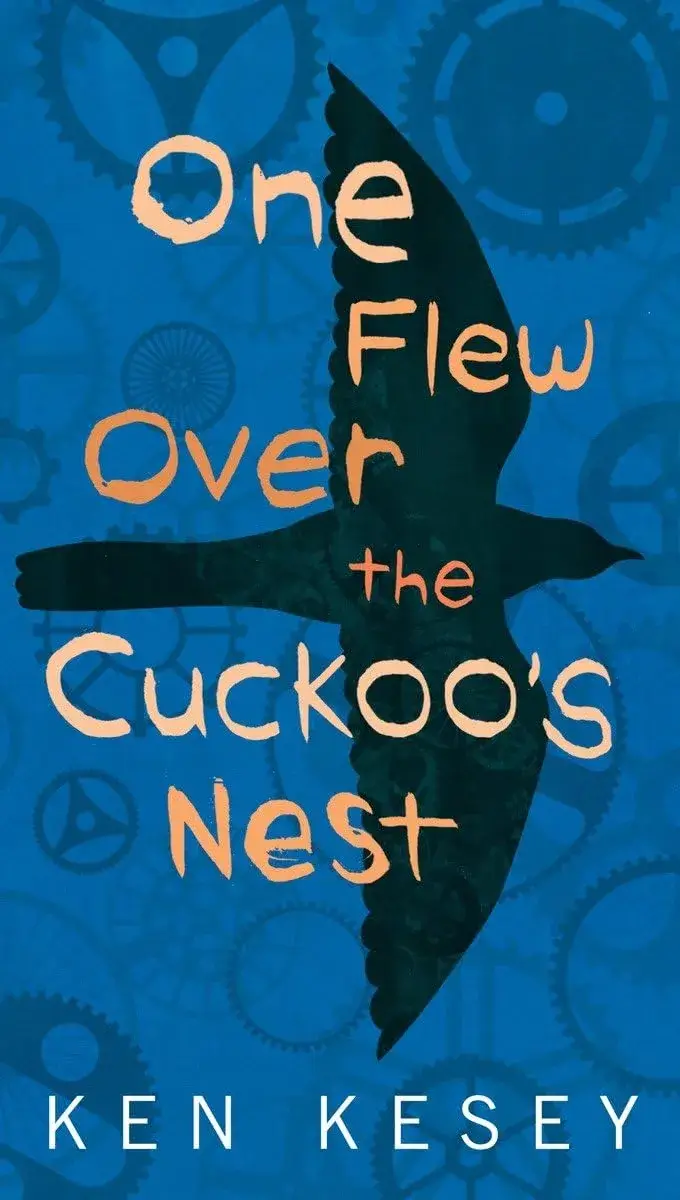
Kesey’s acclaimed first novel follows a psychiatric ward’s new patient, Randle Patrick McMurphy. It is narrated by the aforementioned Chief Bromden, a mysterious, reflective and highly medicated fellow patient.
The book navigates sanity, treatment of mental health, institutionalized mental illness and counterculture. McMurphy is a loud, boisterous patient who challenges Nurse Ratched’s strict rule of law and order on the ward.
Reviews
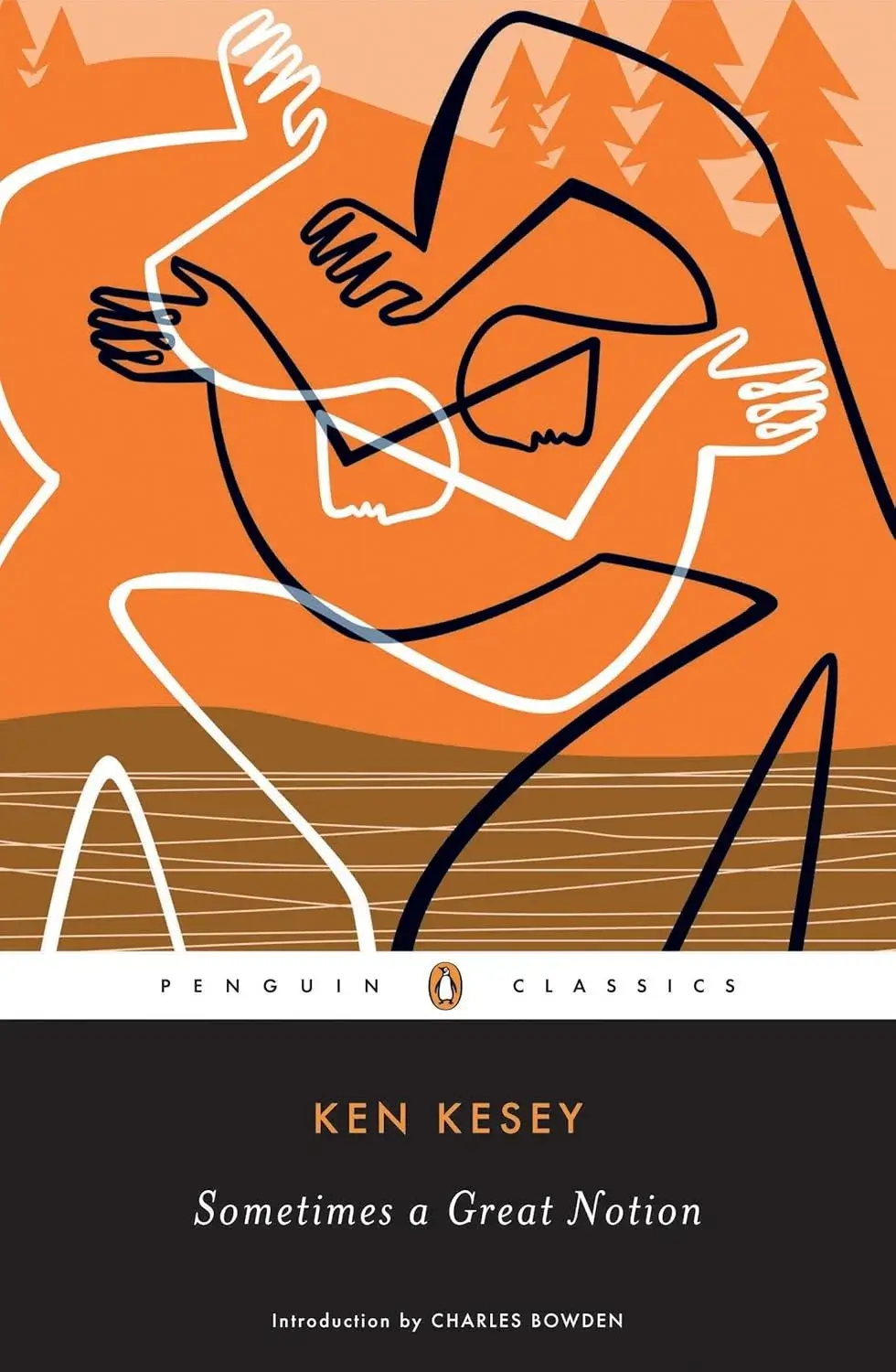
Two years after “Cuckoo’s Nest,” Kesey published “Sometimes a Great Notion” — a story that follows a family of Oregon loggers who refuse to join a union strike. This refusal creates a rift in their small Pacific Northwest community.
The novel delves into family, unity, community and loyalty, alongside the battle between an evolving industry and traditionalists. It’s a sprawling story with a carefully laid plot and robust characters that help it walk the line between hilarity and tragedy.
Reviews
Reviews
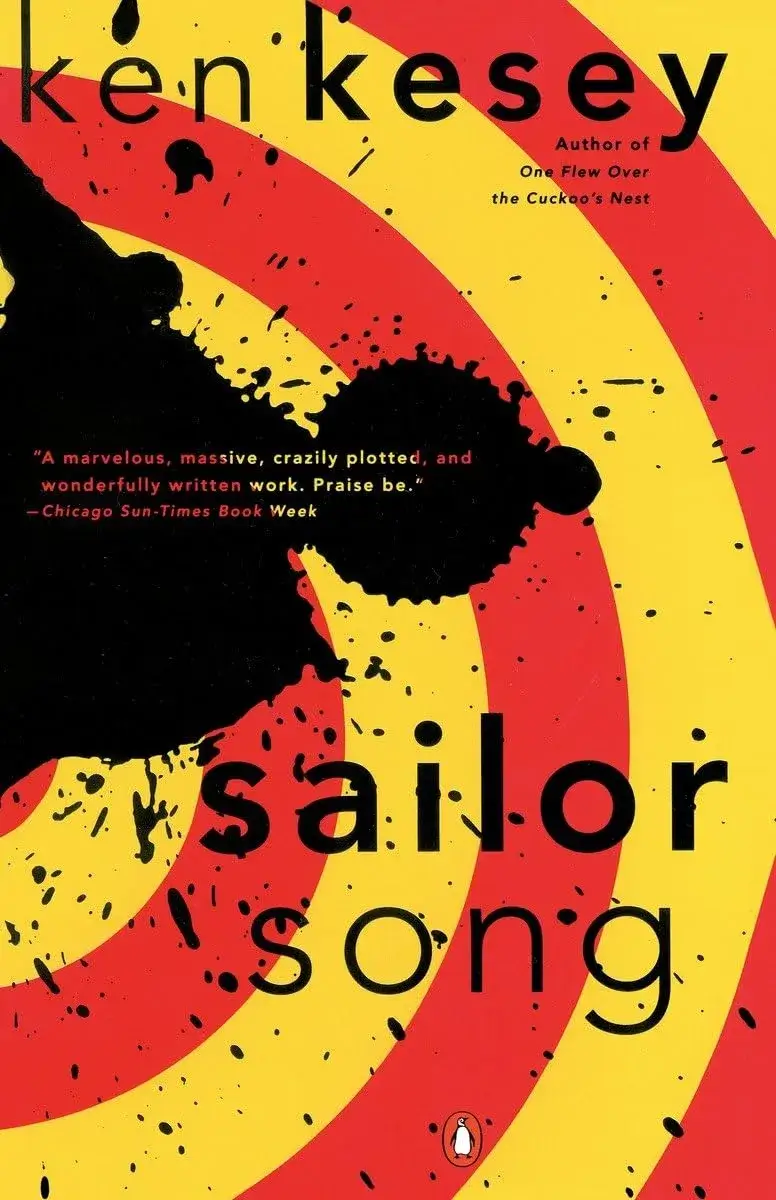
Based in a near-future world that is nearly unrecognizable due to climate change, “Sailor Song” tells the story of locals in an Alaskan fishing village. They must contend with a Hollywood film crew that wants to turn their home into a theme park.
The novel plays with themes like commercialization, environmentalism and the importance of preserving local identity.
Reviews
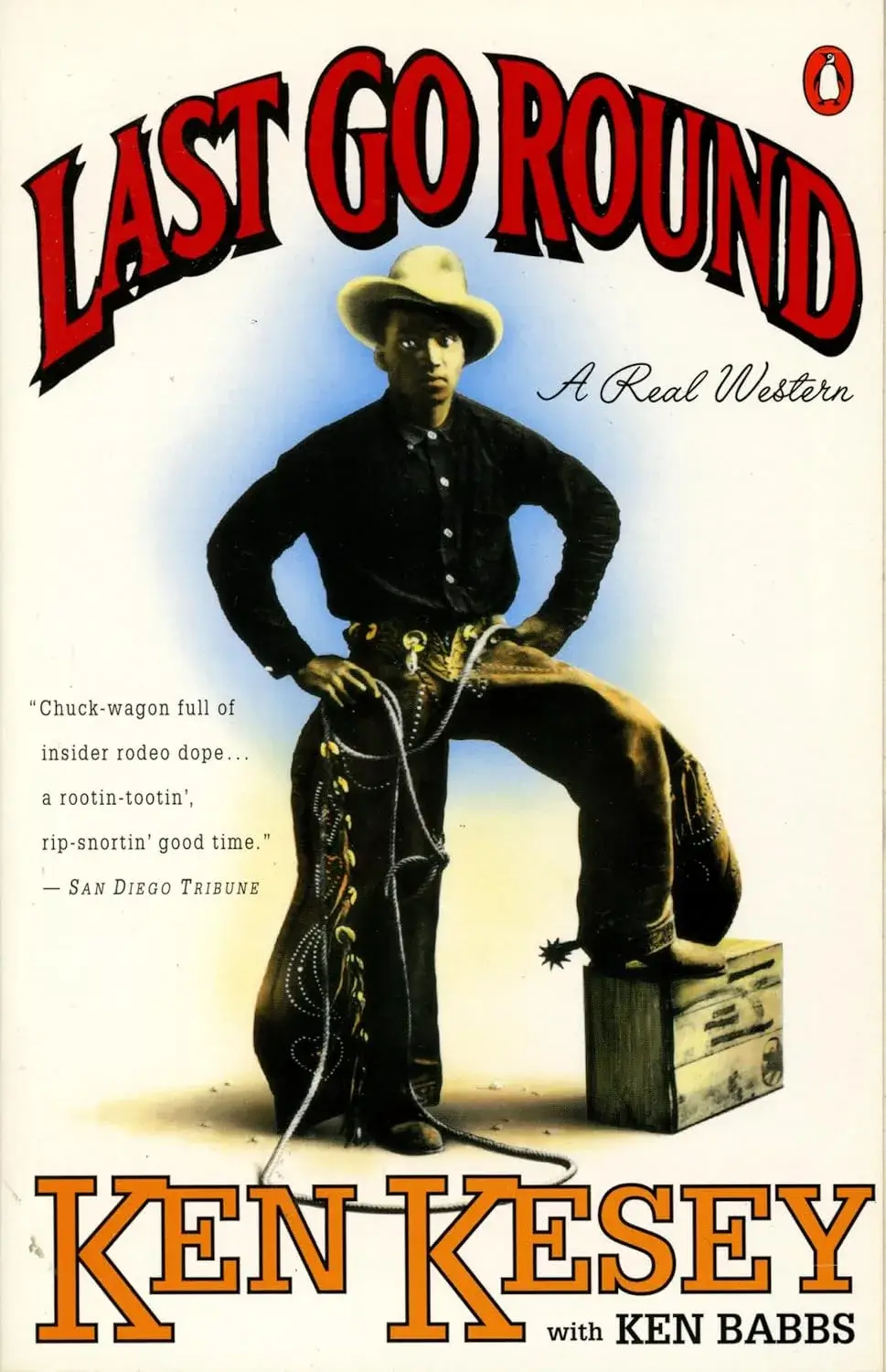
At the original Pendleton Round Up in 1910, hundreds of riders competed for the World Championship Broncbusting title. “Last Go Round” focuses on a trio of formidable riders as they fight for the prize money and a silver-studded saddle. Kesey first heard about the Pendleton Round Up as a boy. This novel is his take on an iconic moment in history.
Reviews
Book to Film Adaptations
In 1975, “One Flew Over the Cuckoo’s Nest” was released as a film starring Jack Nicholson, Danny DeVito and Will Sampson. The film swept the 1976 Oscars, winning all “Big Five” awards.
“Great Notion” was also translated into a film in 1971, starring Henry Fonda and Paul Newman. The adaptation received largely positive reviews.
Quotes from Ken Kesey
“All I know is this: nobody’s very big in the first place, and it looks to me like everybody spends their whole life tearing everybody else down.”
—Ken Kesey, “One Flew Over the Cuckoo’s Nest”
“To hell with facts! We need stories!”
—Ken Kesey
“No, my friend. We are lunatics from the hospital up the highway, psycho-ceramics, the cracked pots of mankind. Would you like me to decipher a Rorschach for you?”
—Ken Kesey, “One Flew Over the Cuckoo’s Nest”
“Plant a garden in which strange plants grow and mysteries bloom.”
—Ken Kesey
Author Similar to Ken Kesey

Get recommendations on hidden gems from emerging authors, as well as lesser-known titles from literary legends.