TLDR
Deciding where to start with reading American poetry can feel intimidating, but that’s where this list comes in. These 22 books are renowned for their use of language and innovative structure.
We ask too much of poetry. I do, at least, having been a longtime reader and occasional poet.
The unacquainted will hope for the deepest epiphanies distilled into the sweetest drop. And the acquainted, well — we get caught up in what mode of writing is fashionable to hate in any given era.
What gets lost is the vast beauty, strange ugliness and concrete joy that is playing with words in a way that’s free from the narrative meaning-making of sentences, paragraphs, arguments, articles, college essays and documents. Because, if you think about it, when was the last time you savored a turn of phrase for its own sake? In the bathroom of your local dive bar? While sweet talking a loved one?
The point is: In our over-connected, always-on society full of mass media, advertising and a promised answer for everything, we use and abuse language to get points across, to explain things to others, and get what we want.
Poetry rarely gives us what we want. It surprises us with what we didn’t know we needed.
As NYT poetry critic Gregory Cowles said, “A true starter pack of modern American poetry would look something like this: ‘Goodnight Moon,’ ‘Where the Sidewalk Ends,’ ‘Chicka Chicka Boom Boom.’ For many of us poetry is practically the first language we learn to love; only later do we come to believe it’s scary or baffling or precious.”
I hope, in some small way, I can help you find your own thread to unravel through American poetry, whether you’re smitten by the audacity of the confessional poets, the private musings of Emily Dickinson or Elizabeth Bishop, or the political pronouncements of Allen Ginsberg or Claudia Rankine. American Poetry isn’t any one thing. But you’ll find that our vast country has a pocket of verse written — it will seem — just for you.
A Note on the Selection Process
I’ve defined American poetry starting with the advent of the nation. Poets selected must have been American citizens. However, I didn’t aim to privilege poetry that somehow speaks to the American dream, even if they inadvertently do. The list doesn’t champion some unified American poetics, even if there are tendencies. It’s more of a way to bind the list to prevent it from getting out of hand. I capped the selections at the year 2020 as I believe it’s hard to say what books will stand the test of time without hindsight.
Books are listed chronologically with minor exceptions. If it’s a selected works, I’ve placed it more or less at the apex of the poet’s career. Occasionally, if a book is written in an older style — for example by a poet late in life — I list it closer to the poet’s apex.
In this list I’ve centered the book itself, the reading experience — books that still feel alive to this day. Not some historical footnote or poet touted only by other poets, even if they happen to be. Not (necessarily) books with narrative cohesion but aesthetic cohesion. Books worth reading front to back, not necessarily in one sitting. Afterall, nibbling here and there, one morning, another evening, is how most of us read anyways. That’s why poetry books are such delightful bites of joy.
This guiding principle does pose some problems. We take for granted the “poetry book” as an entity at all. The concept did not really gain steam until Modernism (circa 1910s). Well through the 19th century, poets more commonly published in miscellanies (anthologies) or small 30-page chapbooks. By some definition, it was not until Ezra Pound’s 1908 “A Lume Spento” that a poet intentionally published a book of poems as an artistic unit. Of course there are some grey area exceptions and some of them end up on this list (notably, Leaves of Grass which was more of a sprawling living document Whitman kept expanding and reprinting throughout his life).
I did my best to eliminate my personal bias, so first and foremost I used an almost statistical approach. Much like meta-analyses are published in the sciences, I’ve tried to analyze dozens of anthologies and university curricula to find books that were mentioned time and again. It’s important to note that some books were highly lauded in, say, an anthology from the 70s but gets almost no mention elsewhere. These of course did not make the cut. To avoid privileging academia, I’ve also made note of popular sentiment and accessibility, finding aggregate ratings across major book review sites. If a book was both critically and publicly loved to this day, it was heavily favored for the list.
Exceptions
I have made exceptions for a Selected Works if it reads like a cohesive book. Firstly, it must be well selected and worth sitting down with. It should have a solid introduction from a credible scholar or the poet themselves. If the poet is somewhat antiquated or context helps enjoy the poems, there should be sidebars, short chapter introductions, bios or other relevant annotations.
The main reason to include a Selected Works is if a poet wrote during a time when publishing a book of poetry wasn’t even a concept. The most obvious example is Emily Dickinson, who didn’t publish a book in her lifetime! The second exception is when a poet worth reading doesn’t have a single book that encapsulates their prowess. Of course, this guideline goes against my main ethos here, which is to privilege the book as an intentional work set forth by the poet, which is why I favor Selected Works selected by the poet themselves.
There is also the matter of practicality. Many of these books have become so low in demand as to no longer be in print. If that’s the case it does not make the list and sometimes the Selected Works takes its place (pending it meets all my criteria above). Some older books are now both low in demand and in the public domain, creating a slew of cheap publications with typos and errors. Those got cut. If the poet or book is sorely missed, I include an alternative or a selected works.
Who am I to be Writing This List?
I’m a poet with a degree in English and Creative Writing from the College of Charleston. The first poet I read as a child was Walt Whitman. I’ve been reading poetry ever since. I’ve taken foundational survey courses on American literature. But, to be honest, my sweet spot has been American poetry since the 1960s. You will see more entries toward the later eras, but that’s also due to many historic factors that lead to more poets publishing in general.
Every list is biased. As mentioned before, I tried a somewhat statistical approach. Of course I have not read every book on this list, but I’ve read three quarters of them at least in part.
My biases are toward a strong, recognizable poetic voice, dedication to the craft, lyricism and a poet’s intimate relationship with language. I’m typically against poems that try to knock you over the head with lessons or moral grandstanding. I personally don’t love strictly rhyming poetry, and it has in large part gone out of favor since the Postwar Era. In some ways, that mode has been picked up by rap and Spoken Word poets. If rhyming poetry is your thing, we’re writing an article devoted just to that.
22 Best American Poetry Books
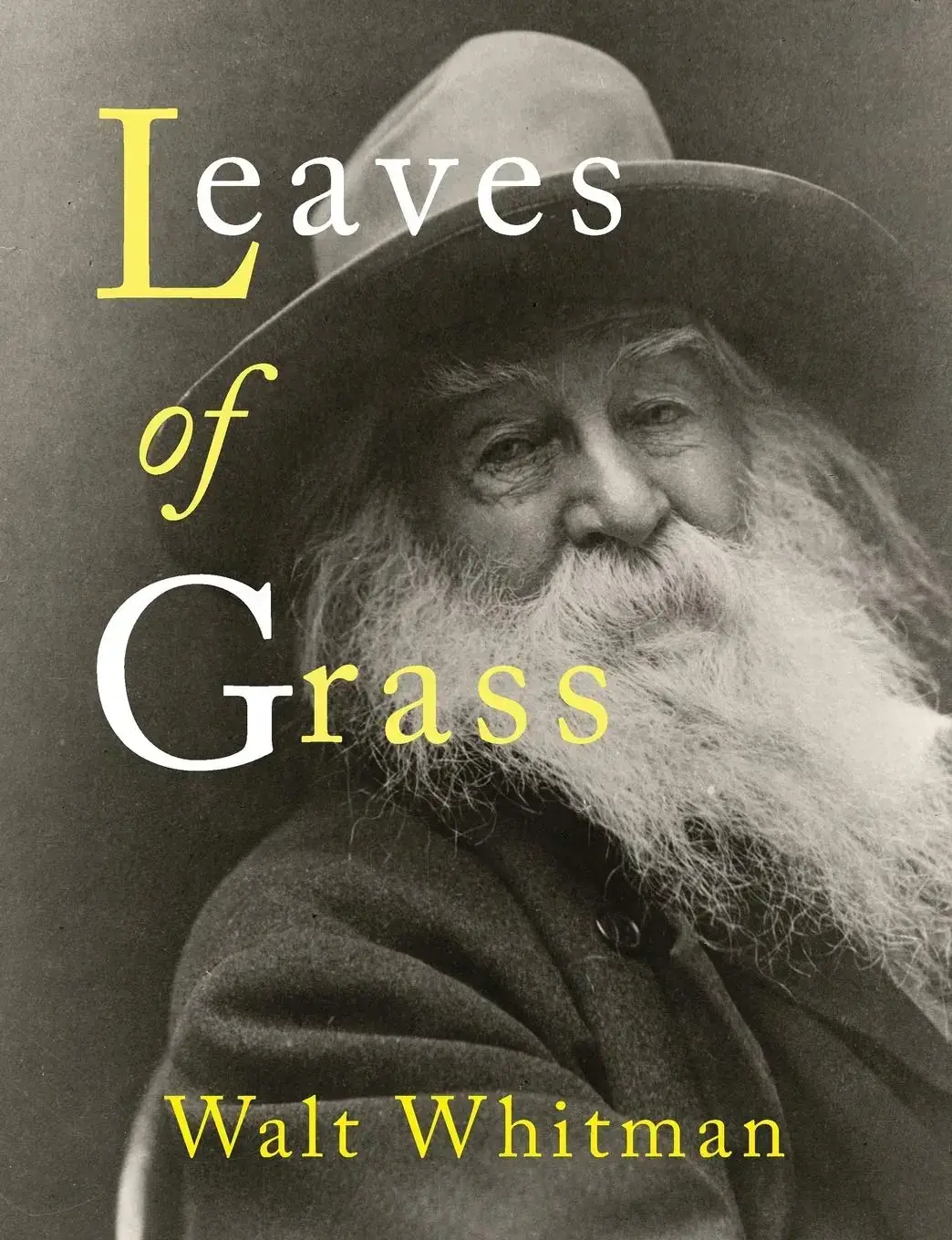
It’s astonishing but true: American poetry bends around “Leaves of Grass” like space-time around gravity. Researching and sifting for more Whitmans before or around his time, I came up empty handed. Truly an iconoclast, it seems that before “Leaves of Grass” there were poems written in America. After it, there was American poetry.
The 1855 edition contained just 12 poems but it presented a fresh breath of air: No inherited meter, deference to Europe or tidy moral lesson. Instead it’s a long, winding line that contains “multitudes.” It’s a sprawling catalogue of a growing nation, a voice that seems to show up and equally witness the worker, the prostitute, the runaway slave and the President, and does so with a generous welcome. When there is an “I,” it’s not diary-entry confessional. It is a democratic voice speaking for the many.
As he published more editions, “Leaves of Grass” became a living document that Whitman expanded on through the decades. He revised it alongside history, absorbing the Civil War (Whitman was a medic), Lincoln’s assassination, the completion of the Brooklyn Bridge (he was a local) and Whitman’s own aging. It catalogues all sorts of rich imagery across a lifetime. It’s the kind of sprawl that doesn’t feel tedious like some concept piece. “Leave of Grass” boasts and prays. It even contradicts itself: “Very well then I contradict myself.”
Read “Leave of Grass” over a month, and you’ll be left feeling as if you lived through his century, reliving the joys of a poet deciding that America, in all its promises and confusions, deserved a new music, and then inventing it.
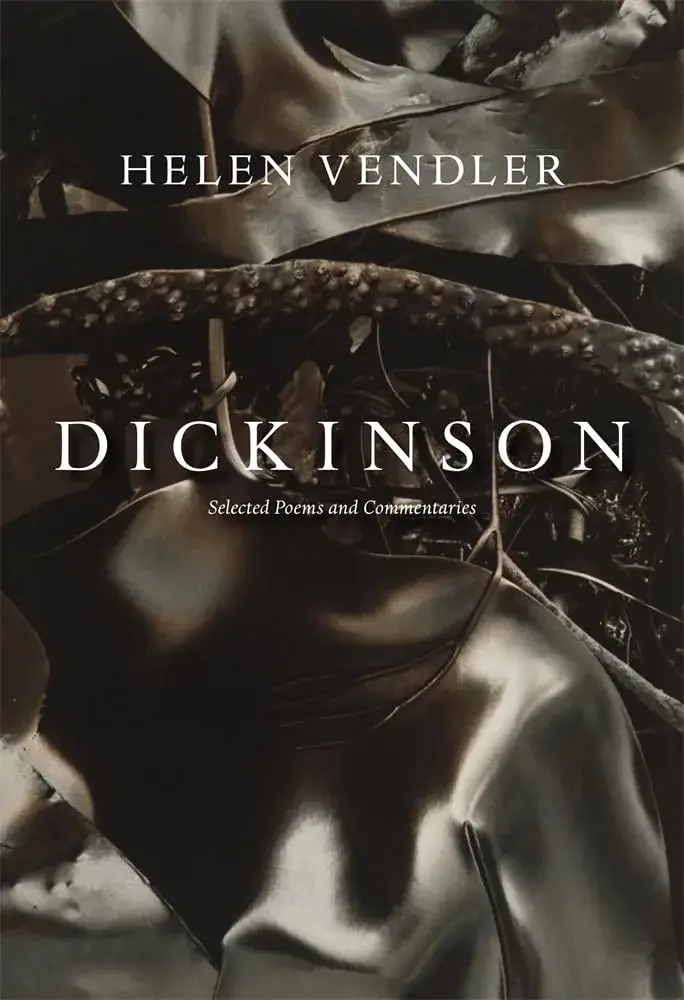
Emily Dickinson is widely considered one of America’s most enduring and original poets. Famously reclusive, she never officially published a single poem. (Some were stolen, others tampered with.) However, it’s a misconception that she kept them all tucked away in a box in her New England home. She shared about a third of her 1,800 poems with family, friends and editors.
No one needs their hand held to enjoy Dickinson, but consider editor Helen Vendler your astute professor in this selected work. Vendler provides insight when the diction of Dickinson’s time eludes you, or the intricacies of the poem are too tightly wound. Yes, it’s a thick tome, but there are only 150 well-curated poems and the commentary is there when you need it.
From her first-person poems for which she crafted an indelible persona, to poems of oblique abstraction; from emotionally charged lyrics to deft depictions of despondance; from funny thoughts to painful moments, this selection highlights the vast breadth of this prolific poet.
Alternative: As a slimmer, unannotated alternative, get “The Essential Emily Dickinson,” edited by Joyce Carol Oates.
Robert Frost is a poet so widely loved that he is taken for granted. With his poems tucked away in pastoral anthologies cherished as American sentimentalism, it’s easy to overlook the prolific and grave Modernist that Frost was. With peers like Ezra Pound and Robert Graves, he had the rare gift of cloaking dark imagery and brooding philosophical musings in formally comforting lines and regional, often rural, settings. As Pound noted, his poems had “the tang of the New Hampshire woods, and it has just this utter sincerity…This man has the good sense to speak naturally and to paint the thing, the thing as he sees it.”
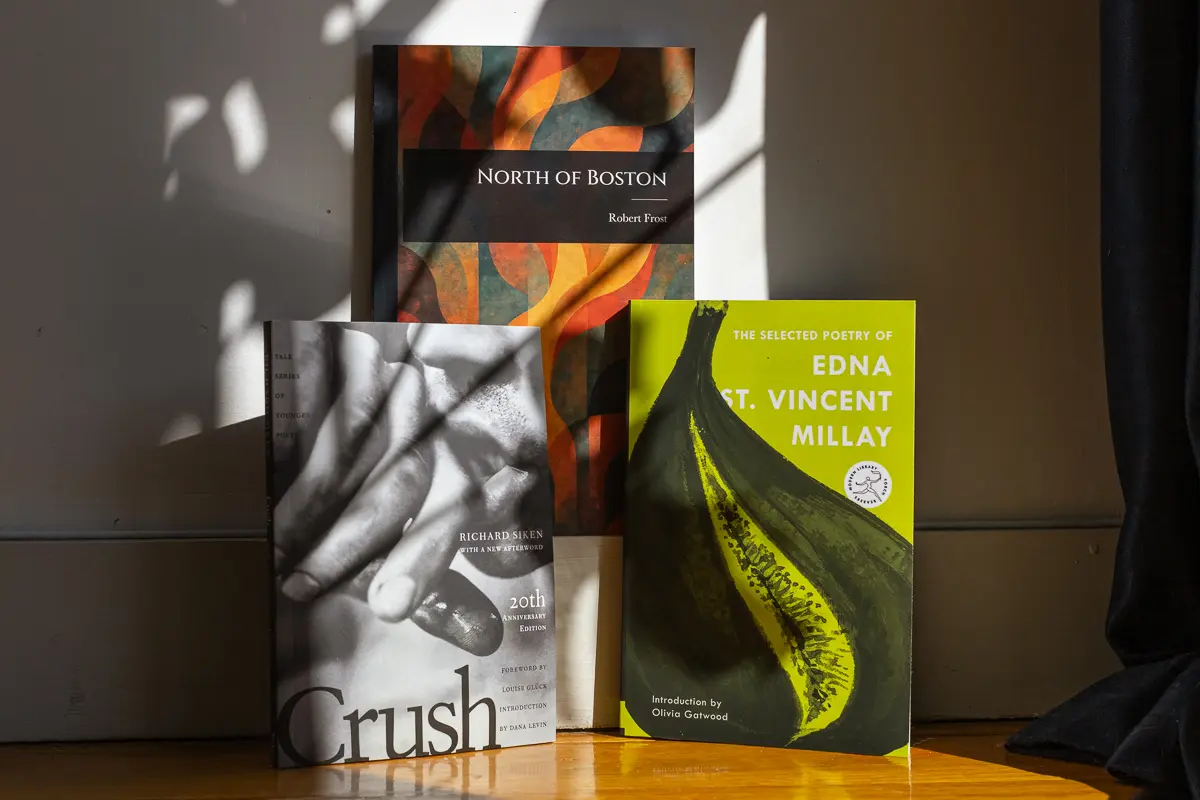
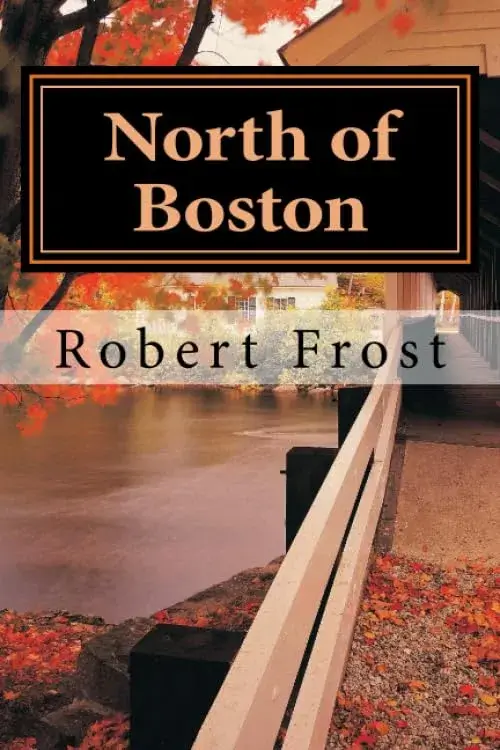
Frost did not receive wide acclaim until his third book “North of Boston” which, promoted by Imagists like Pound, cemented his reputation as a poet of regional speech and a love for New England landscapes. Written with his customary blend of rhymed verse and “blank verse” (unrhymed but strict meter), using dramatic mono- and dia-logues, the poems are often marked by dark impressions of early twentieth-century rural life and the nature of tragedy.
North of Boston is where Frost blended blank verse using American speech. The long dramatic poems read a bit like rural theater, psychologically tense, morally ambiguous and without sentimentality. Here you will find classics like “Home Burial,” “The Death of the Hired Man” and the ever-famous “The Mending Wall.”
The book proves Frost wasn’t just a lyricist of snow and orchards — he was a dramatist of human estrangement.
Alternative: “North of Boston” isn’t always widely available, so as an alternative pick up “New Hampshire” (1923) which won him his first of four Pulitzer Prizes and is now published by Vintage Classics.
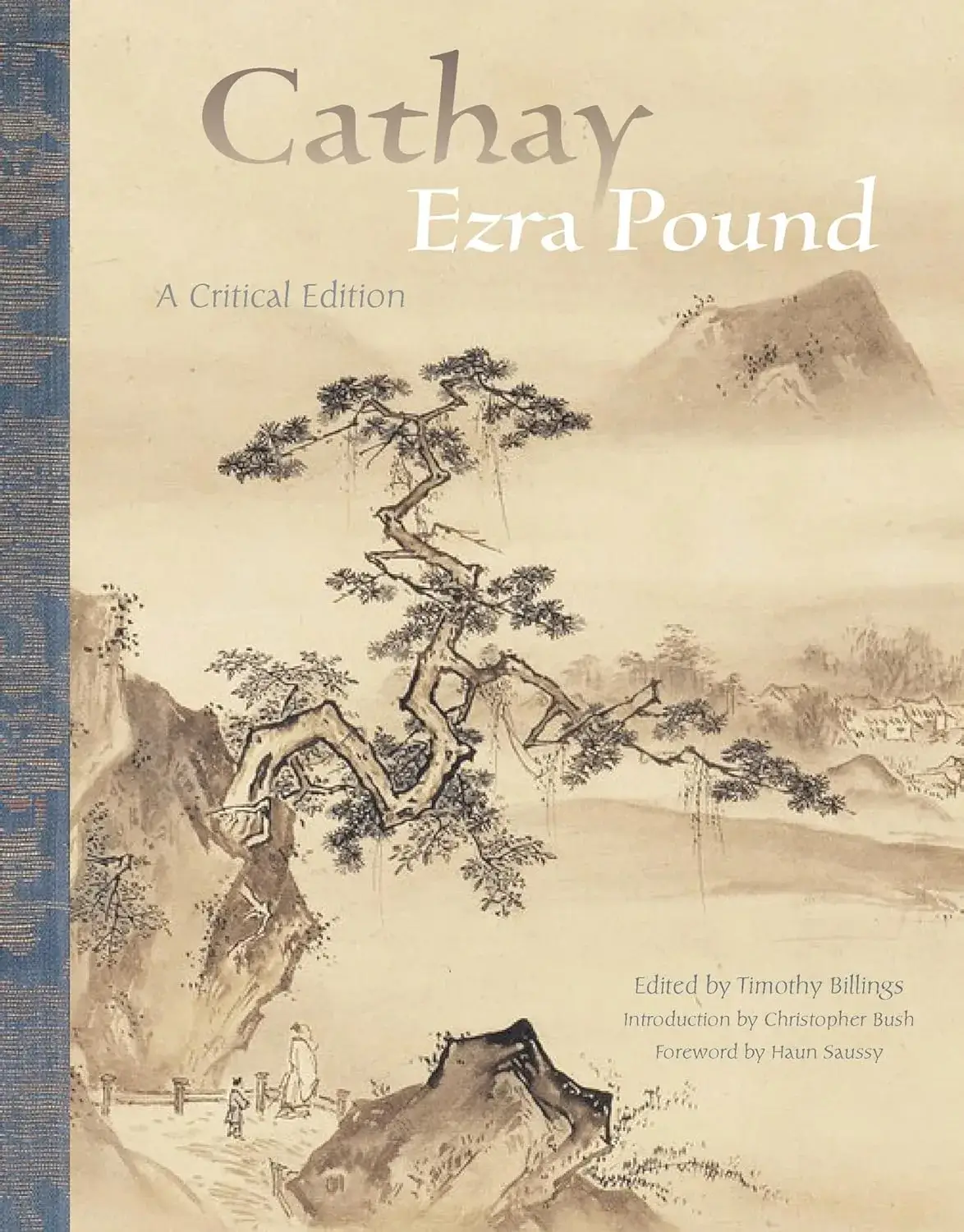
It’s strange that a book of translated Chinese poems could be a flagship text for American Modernism, but the translations, distilled from notes and prior translations, were very much written in Pound’s aesthetic vision. Pound took a radical departure from the ornate, metered, rhymed and often moralizing poetry that had predated him. Instead he offered readers images without explanation or agenda, condensed to be watertight and live on the page on their own. It was in these classical Chinese poems that Pound found the raw material for his recreation, and it’s a lens into how Modernists were thinking beyond inherited European forms and styles.
“Cathay” is a seminal book for Imagists: A loose association of poets who championed the economy of language and visual clarity. The poems capture moments, objects or emotions in vivid snapshots and left a mark on poetry to come. It may not be the first intentionally released book of poems (that’s a murky debate), but Pound certainly was an early champion of the practice. Lastly, it set the tone for poetry in translation — not as a rote academic exercise but as a creative, necessarily subjective endeavor.
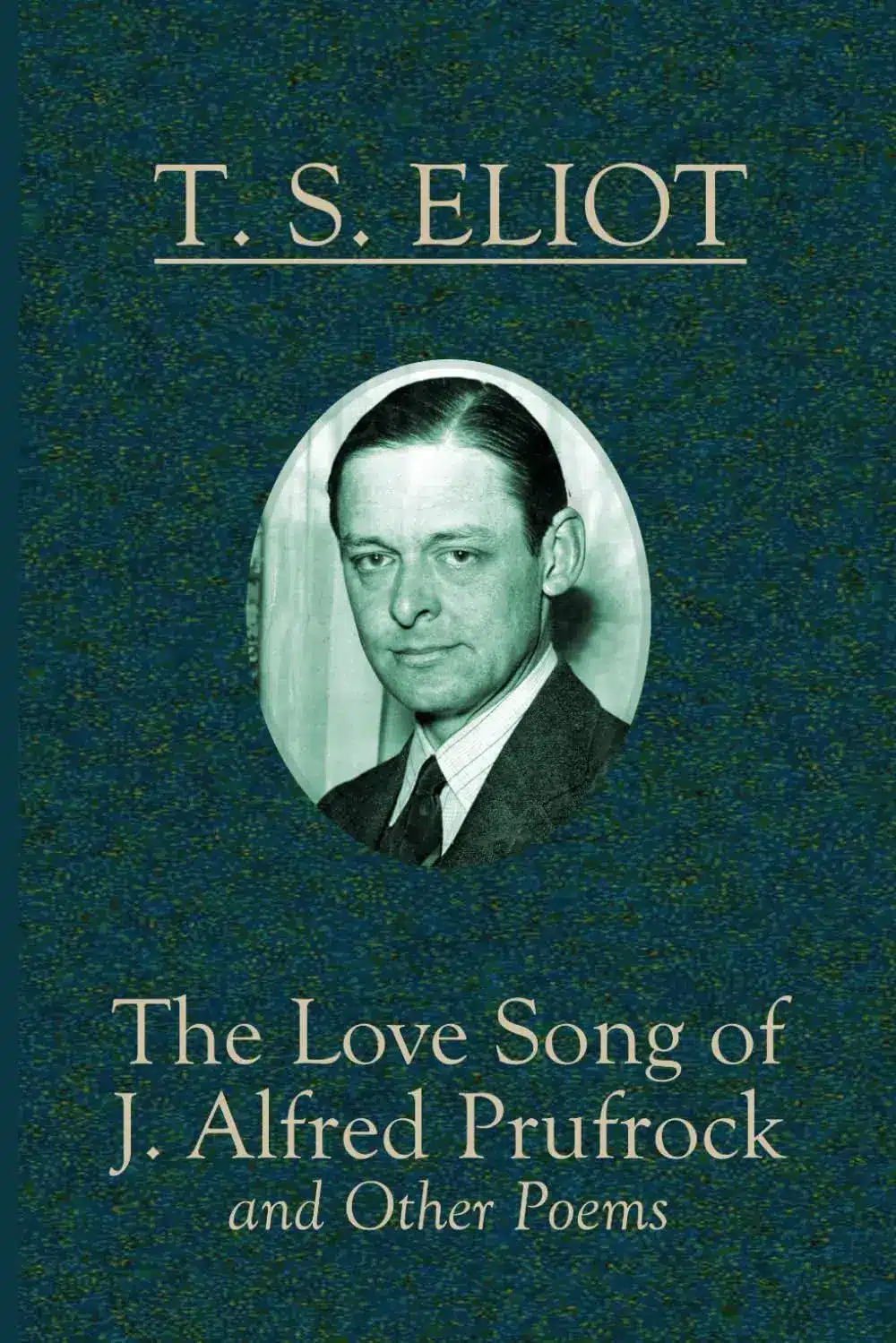
T.S. Eliot’s debut collection is a compact book that showcases Eliot’s irony, urban consciousness and psychological insight. It’s a window into early Modernism without being a chore of looking up every obscure reference only a classical education can afford (I’m pointing at you, “The Waste Land”).
Dominating the book is the long poem “The Love Song of J. Alfred Prufrock”, the ballad of a relatably awkward overthinker, a product of his time, dealing with quiet despair, longing and small obsessions. It’s a poem that feels like overhearing someone’s private monologue, famous for its vivid imagery and unforgettable lines like “I have measured out my life with coffee spoons.”
Championing this collection, early critics and mentors recognized Eliot’s originality, even if mainstream audiences overlooked it. Today, “Prufrock and Other Observations” stands as both a historical landmark and an approachable, rewarding read — one that planted the seeds for Modernism.
Half prose, half free verse, “Spring and All” is an energetic ode to the imagination. It was voted one of the greatest poems of the twentieth century by The New York Times. Characterized by a dance between crisp imagery and cryptic abstraction, Williams “sees the real function of the imagination as breaking through the alienation of the near-at-hand and reviving its wonder,” as critic Hugh Fox put it.
It’s here you’ll find his most famous and charming poem, “The Red Wheelbarrow”, which perfectly models Williams’ own motto: “No ideas but in things.” Starkly opposed to imagery in service of a preconceived agenda — which so much poetry before Modernism was apt to do — Williams held an undying faith that ideas, emotions, and abstractions rise out of imagery.
The Red Wheelbarrow
so much depends
upon
a red wheel
barrow
glazed with rain
water
beside the white
chickens
‘First Fig’
“My candle burns at both ends;
It will not last the night;
But ah, my foes, and oh, my friends—
It gives a lovely light!”
Edna St. Vincent Millay (what a lovely name) was a beloved figure in her time and resonates with readers to this day for her fresh take on old forms. She’s compelling for her embrace of bisexuality, and for fresh expressions of the female experience during the Jazz Age.
Curated by Millay’s biographer, Nancy Milford, in 2002, “Selected Works” provides a wide range of her poems. It’s a book you can graze on over a few weeks. It spans her career apex from her breakthrough in 1917 through the early 1920s, including poems from her widely successful first book “Renascence.” Beloved for her hallmark lyric beauty, fiery romance and youthful spirit, “A Few Figs from Thistles” introduced Millay’s persona as a “madcap” Greenwich Village flapper, a bohemian rebellious icon of the Jazz Age, liberated from traditional gender norms. “Selected Works” also includes several of her beloved sonnets, a form she reinvigorated to make them emotionally radical, and sometimes taboo and erotic (“What lips my lips have kissed, and where, and why”). Finally there is her long poem, “The Ballad of the Harp Weaver,” which won her the Pulitzer Prize in 1923, making her the first woman bestowed the award.
Curation note: I’ve nestled Bishop here in the list because this is a late-life book written while abroad in Brazil. Contextually her poems and spirit were making an impact in the mid 50s, and this book is moreso an extension of her powers rather than a groundbreaking shift for poetry.
Awards: National Book Critics Circle Award for Poetry (1976)
“I charge laughing.
Into the hair-thin tints
of yellow dawn,
into the women-coloured twilight”
—From, “[into the strenuous briefness]”
E.E. Cummings was an experimental expressionist with a childlike romantic heart. More than any poet of his era, he had the gift of being lyrical while blowing apart stylistic norms, with a legacy of lasting appeal among fair weather poetry readers. Spare, inverting grammar and syntax and turning words on their heads, Cummings “has ever made avant-garde, experimental poems so attractive to the general and the special reader,” claimed poet and literary critic, Randall Jarrell.
He’s a poet whose 10 original books of poetry are best distilled into a curated collection as we get in the Liveright publication, featuring over 150 poems selected by Cumming’s biographer broken up thematically rather than chronologically. While this might throw off an academic, it’s a fun way to read the work through chapters like “Sweet Spontaneous Earth”, “Love and Its Mysteries” and “Poetry of the Eye” (his hallmark experiments in visual form and typography).
Alternative: If you can get your hands on a copy of “Tulips & Chimneys” (1923) it’s a timecapsule for how his first book must have hit the literary scene and contains some of his most loved poems. The typography is wild, the eroticism is sultry, the lyricism is raw.
Curation note: I’ve nestled Bishop here in the list because this is a late-life book written while abroad in Brazil. Contextually her poems and spirit were making an impact in the mid 50s, and this book is moreso an extension of her powers rather than a groundbreaking shift for poetry.
Awards: National Book Critics Circle Award for Poetry (1976)
“You are an I, / you are an Elizabeth, / you are one of them.”
— From “In the Waiting Room”
“Whenever we grow weary of the self‐regarding jostle, the coercive intimacy, of confessional poetry and the violence of our public life, we turn with pleasure to Bishop’s poems as to a shelter.” — NYTimes Review by Herbert Leibowitz
It’s hard to point to a single poet before Elizabeth Bishop that had her combination of introspection, patient faith in observation and dedication to the craft. Perhaps the lineage flows from Emily Dickinson. By the time she had published “Geography III”, Bishop was well within her powers, already two decades into her practice, but as a standalone book, this is the one to read.
An unassuming grace, plain observation in tightly controlled verse and an inner turmoil often murmurs beneath the surface of her poems. Bishop is a painterly poet, a poet’s poet. Anathema to the confessional streak that sprung up after her heyday, these poems were written while Bishop was living with her partner in Brazil, well insulated from the budding movement. Marked by precise description of the physical world and an air of serenity, underneath each poem run themes of longing, grief and the struggle to belong. Her patient ability to bear witness to the world around her — and trust in the imagery to reveal some inner condition — is the same ability Sylvia Plath took to another darker dimension.
John Ashbery, an unlikely disciple given his experimental innovations, citing her “quirkiness” and “rightness of vision,” has singled out her grandeur, “which, because it remains rooted in everyday particulars, never sounds ‘grand,’ but is as quietly convincing as honest speech.”
Editorial Note: Her collected works are a solid second choice, as she never published a huge volume of work. The whole book amounts to a short novel.
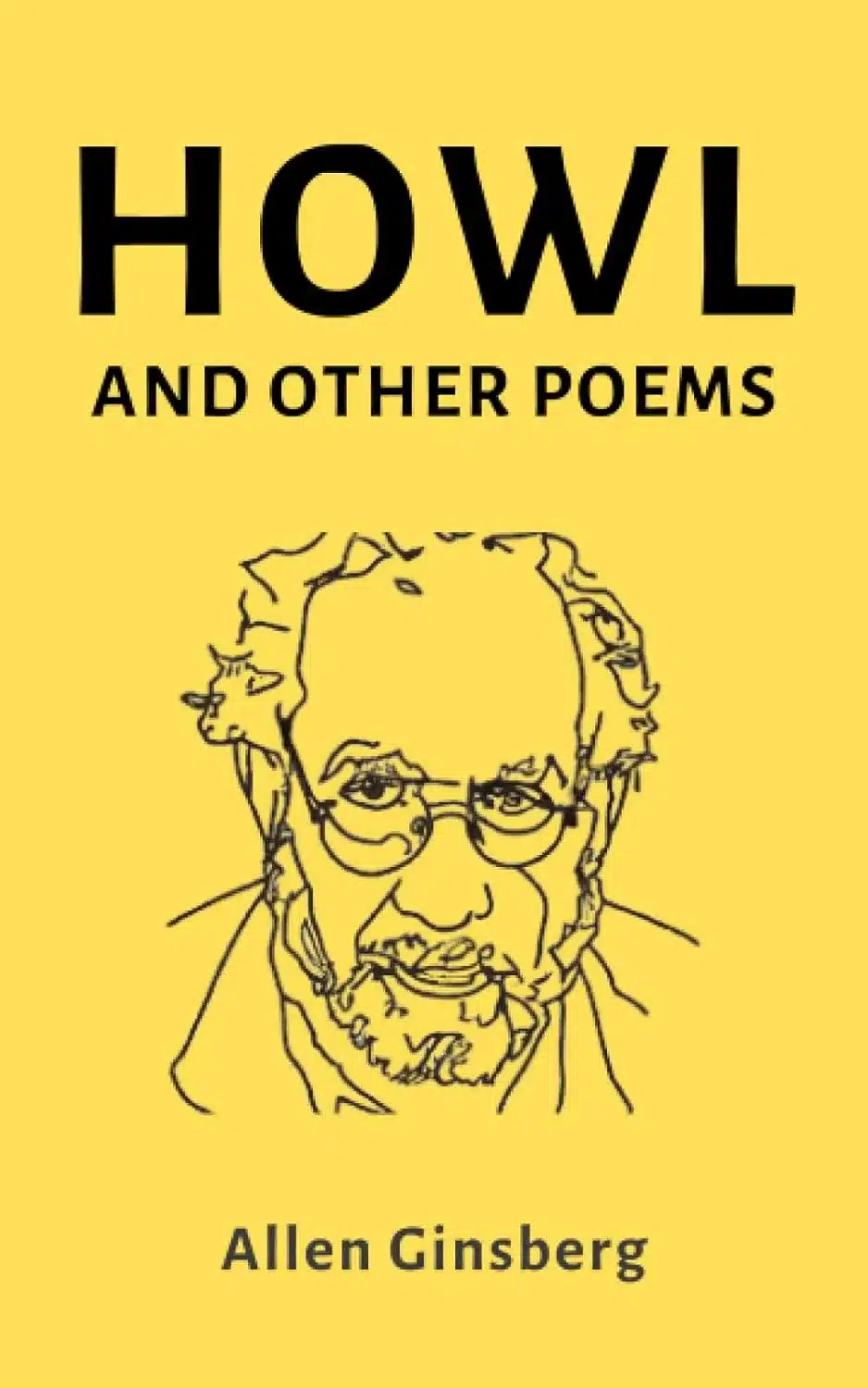
“Where are we going, Walt Whitman? The doors close in an hour.”
— From “A Supermarket in California”
“Howl and Other Poems” made poetry dangerous again. Heck, it was seized by customs for obscenity charges, spawning a court case, which it won. It was a smack across the face for more traditional, academic or carefully-crafted poetry of the 50s and arguably put the Beatniks on the map. Ginsberg wrote a ton of books worth reading but Howl gets credit for arriving fully-formed and hitting so hard.
Published as a cheap, slim book by City Lights Booksellers and written like a fever dream in long lines akin to Walt Whitman, “Howl” is an epic poem and a rant against a destructive, abusive society. It was a raw and honest outpouring, “a whipped-up state of excitement” one unhappy critic said. It was messy, not heavily edited and moved swiftly at the speed of thought. The opening line still hits like a live wire: “I saw the best minds of my generation destroyed by madness…”
It’s as if Ginsberg took the spirit of Whitman and bore witness to his generation in their era of Post War America, loudly calling out addiction, mental health, psychiatric institutions, sexuality, capitalism, war and alienation. But the rage is tampered by tenderness. The third section, addressed to Carl Solomon in a psychiatric hospital, is a gesture of solidarity, “I’m with you in Rockland.”
Beyond the title poem, the collection includes “A Supermarket in California,” a haunting ode to Whitman wandering fluorescent aisles, and “America,” a half-funny, half-desperate monologue that bashes Cold War paranoia and consumerism.
It may be a slim little book, you can read it in one night, but it captures the Beats in an unforgettable tirade.
“I myself am hell; / nobody’s here— // Only skunks that search / in the moonlight for a bite to eat.”
— From “Skunk Hour”
It’s hard to find a truly confessional poet before Robert Lowell’s “Life Studies.” There’s the prose of Gustav Flaubert, which he credits, the imagistic immediacy of William Carlos Williams and the poetry of Elizabeth Bishop who held a light to interiority and personal reflection. It was with “Life Studies” that Lowell went from dense symbolism and erudite references to books that few read today towards a candid, feverish tone. And with it, a new style of poetry.
Lowell’s existential narratives, carefully chosen surreal images and personal topics became his calling card and impact on poetry to come. His work influenced W.D. Snodgrass, Sylvia Plath, Anne Sexton and others. If Bishop showed us the virtues of “uncanny composure” as J. D. McClatchy writes in “The Vintage Book of Contemporary American Poetry,” Lowell gave us the power of “febrile ambition,” revealing his time in America.
Troubled family history, broken marriages and manic-depressive episodes were all fair topics in “Life Studies”. It was informal and autobiographical, and the diction casual and colloquial. Discussing the poem “Skunk Hour” in “The Poetic Art of Robert Lowell,” Marjorie Perloff declares “the painful moment of terror and anxiety that leads to a renewal of self-insight and understanding — this is the central experience that Lowell’s self undergoes.” And it’s the abiding zeitgeist of confessional poetry to this day.
“It’s my lunch hour, so I go
for a walk among the hum-colored
cabs. First, down the sidewalk
where laborers feed their dirty
glistening torsos sandwiches
and Coca-Cola, with yellow helmets
on…
— From “A Step Away from Them”
“I do this, I do that” — this was Frank O’Hara’s writing ethos. His disarming casualness made being a poet seem like a literal walk in a New York City park. Lunch Poems cements O’Hara as an urbane, witty intellectual of the New York School of the 60s and is still a joy to read. He made poetry feel like something scrawled on a napkin at a diner, far below the ivory tower. Poetry Foundation writes, “Compared to him everyone else seemed a little self-conscious, abashed, or megalomaniacal.”
However, his plain language and conversational tone camouflaged a hungry intellectual with a remarkably keen gaze of city life, people, places and things. He wove in pop-culture references, chatted with friends and griped, all with his customary quick wit and charm.
It’s telling that his most important statement of poetics, “Personism,” was written in less than an hour while the critic who requested it was on his way across town to pick it up.
“Your body
Hurts me as the world hurts God. I am a lantern——
My head a moon
Of Japanese paper…”
— From “Fever 103°
It’s a shame that “Ariel” would not be on this list, would not have so captivated the literati and public alike, had she not decided to seal the doors to her kitchen and inhale a lethal dose of carbon monoxide from the oven in heels and a housewife’s dress.
But our worry, in hindsight, that this adoration and obsession, is somehow now overblown and distorted by the manner of her death does disservice to her powers as a poet. It’s a shame that the book itself cannot be read without this Adam’s apple of knowledge. Ariel will never be discussed without controversy, but while critics worry readers are only drawn to her morbid fascination by their own morbid fascination, the same readers have time and again found her dark, intimately personal yet elemental myth making absolutely mesmerizing.
As Robert Lowell writes in the introduction, “The manner of feeling is controlled hallucination, the autobiography of a fever…Suicide, father-hatred, self-loathing — nothing is too much for the macabre gaiety of her control.”
Awards: Pulitzer Prize for Poetry, 1965
“There sat down, once, a thing on Henry’s heart
só heavy, if he had a hundred years
& more, & weeping, sleepless, in all them time
Henry could not make good.”
— From “Dream Song 29”
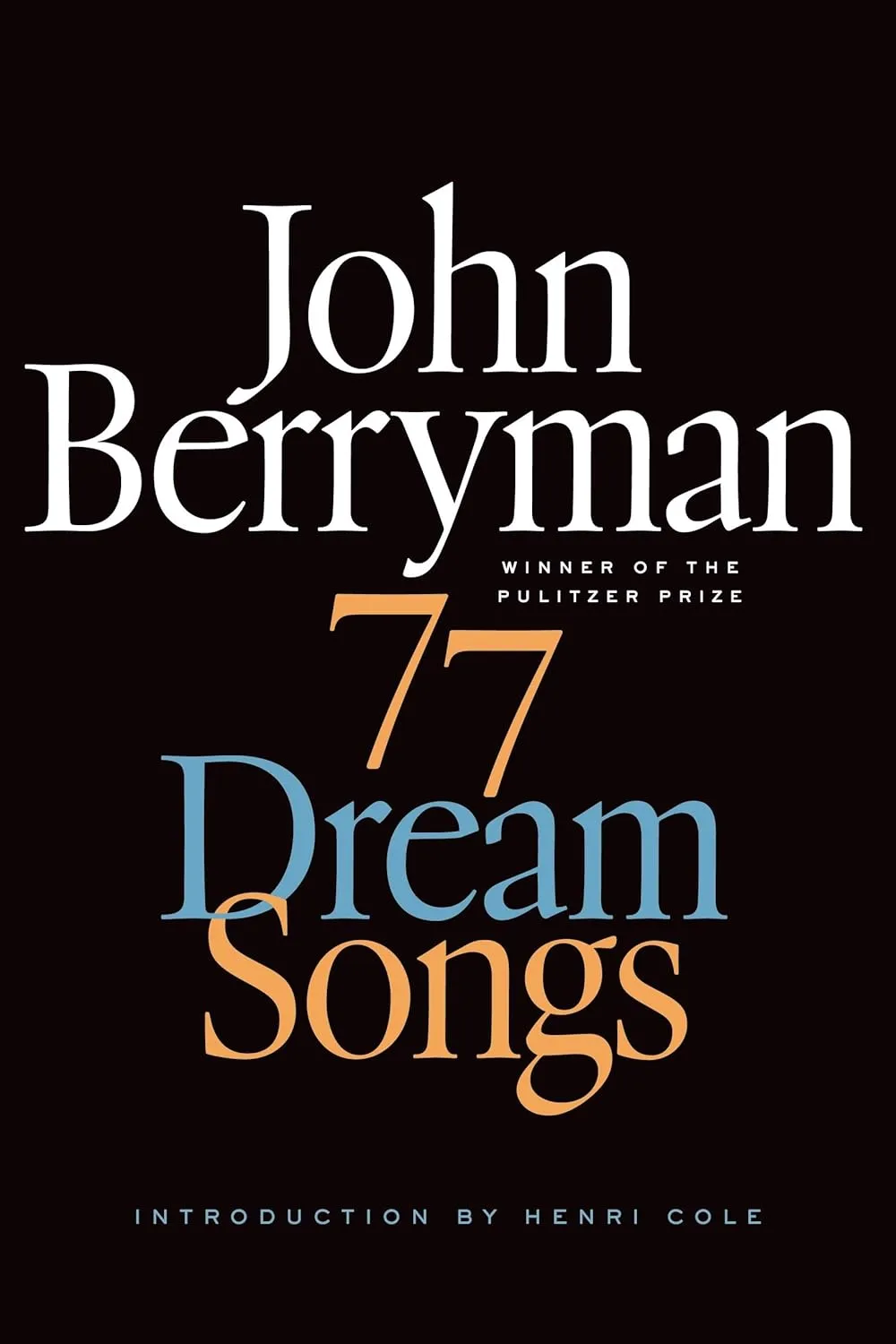
“John Berryman must have the most idiosyncratic voice in American poetry. It is by turns quirky and whimsical, brilliantly learned and painfully mannered, smart-alecky, anguished. Berryman combined a passionate, disruptive syntax with an irreverent blend of highbrow and lowbrow diction—part Shakespeare, part minstrel show, part baby talk…Unquestionably, [The Dream Songs] are Berryman’s greatest achievement.” – Edward Hirsch, The New York Times Book Review
Arguably no book of its time so dramatically defied what a book of poems could do or be. Dimly resembling sonnets, made up of three six-line stanzas, John Berryman’s “77 Dream Songs” were a dizzying display of a poet (then already 50) who had yearned lifelong to blend his highbrow love for language and literature with primal urges and raw emotion.
Instead of smooth, complete sentences, he gives us fragments, interruptions and sudden turns. The poems read the way a mind sounds when it’s thinking faster than it can speak. Or they follow the logic of dreams. Ivory tower allusions mix with lowbrow slang, all narrated loosely by Henry, his pals and possibly voices in his head.
And Henry, let me tell you, is a character. Having suffered an “irreparable loss,” he seems to pine, grieve and rant eloquently at the edge of comprehension. Whether or not you hate the book for its inaccessibility or come to love the book for just how wild yet intricately crafted poetry can be, at under 90 pages, it’s a small risk any fan of poetry should chance.
Awards: Pulitzer Prize for Poetry, 1967
“I was thinking of a son.
The womb is not a clock
nor a bell tolling,
but in the eleventh month of its life
I feel the November
of the body as well as of the calendar.”
— From “Menstruation at Forty”
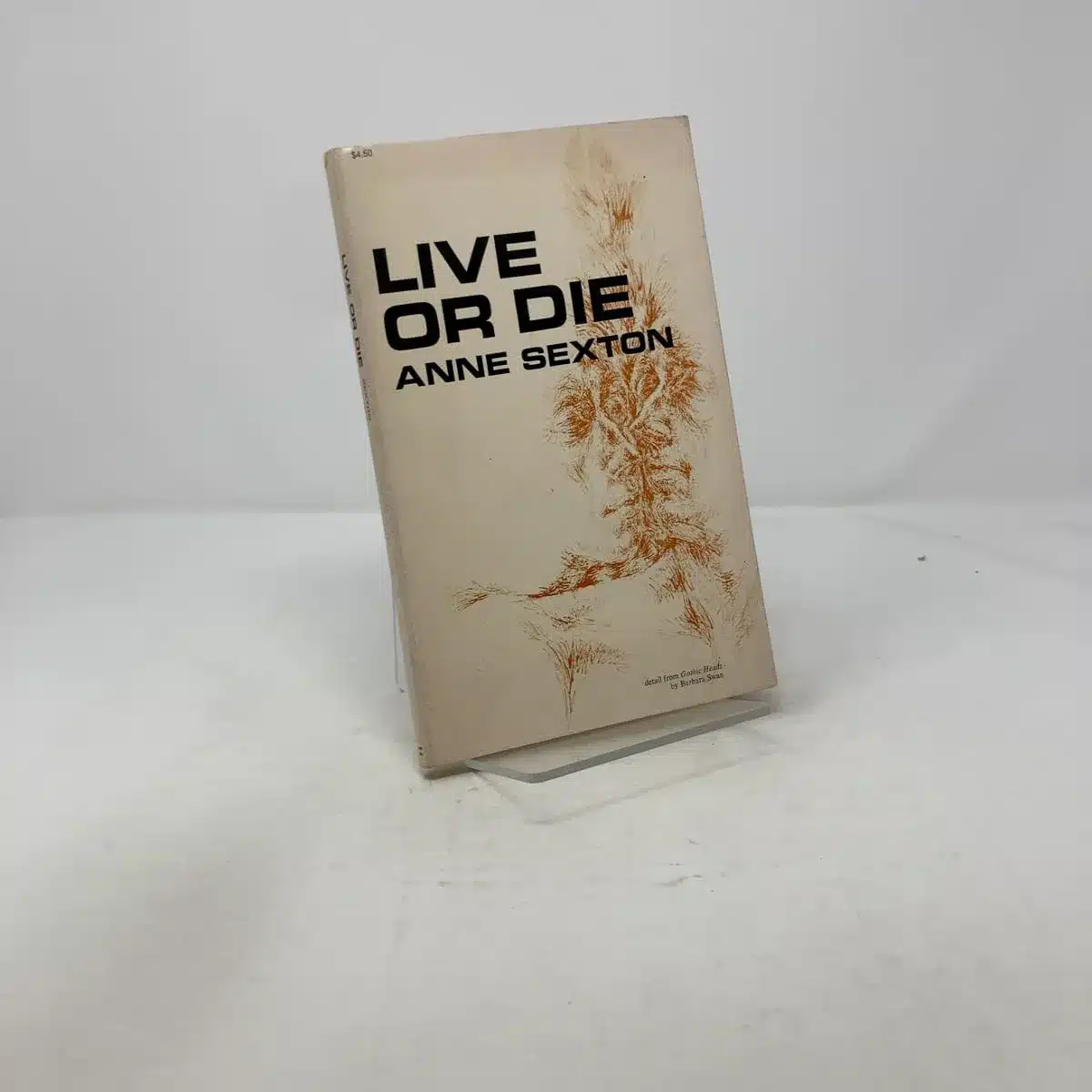
Despite being overshadowed by Sylvia Plath and mistaken as a sub-par imitator, Anne Sexton has stood the test of time as a poet in her own right. Somehow, possibly due to her mythos as a strong female voice during a still-repressive time for woman, possibly due to her death (also a suicide), her poetry’s been widely read — with nearly half a million copies of her books sold — by fans who read little other poetry.
For the same reasons people were struck by Sexton in the 60s, readers are fascinated now in hindsight: How did this “mad housewife” with a lack of formal education, little encouragement from family, treated for depression with a typical 60s excess of Thorazine and (something we take for granted today) essentially tied down to her husband’s home and finances, even manage to not only write poems and have them taken seriously?
Her third book, “Live or Die,” finds Sexton with a strong, direct voice unfraid of subjects like menstruation, drugs, alcohol, mental health and suicide. It reads, in her own words, “like a fever chart for a bad case of melancholy.”
Awards: The Pulitzer Prize, The National Book Award and the National Book Critics Circle Award
“Tomorrow is easy but today is uncharted, / Desolate, reluctant as any landscape / To yield what are laws of perspective.” — From “Self Portrait in a Convex Mirror
“No figure looms so large in American poetry over the past 50 years as John Ashbery.” — critic Langdon Hammer
If Frank O’Hara woke up and said I’ll start writing poems like ‘I did this, then that,’ John Ashbery pried open his own cranium and said, “Here, have a look at the inner workings: I think this, then I think that, hey it’s me here, writing a poem.”
There comes a time in every art form where the art has a good look at itself. The painter has a good look at the paint itself, slaps it thick on the canvas or goes without it at all. The playwright breaks the “Fourth Wall”, comes clean and says, “Yep, we’re actors and you’re the audience.”
Ashbery did this for poetry, come hell or high water. Inspired by abstract expressionists of the New York School — who could care less about representing reality and more about the process of art itself — his style can be self-referential, weaving a yarn that pulls at itself, getting far away from comprehension. And maybe that’s the point. Art isn’t always about enjoyment, though based on the unprecedented trifecta of three choice awards and a slew of converts, people have and do enjoy, beyond reason, this book.
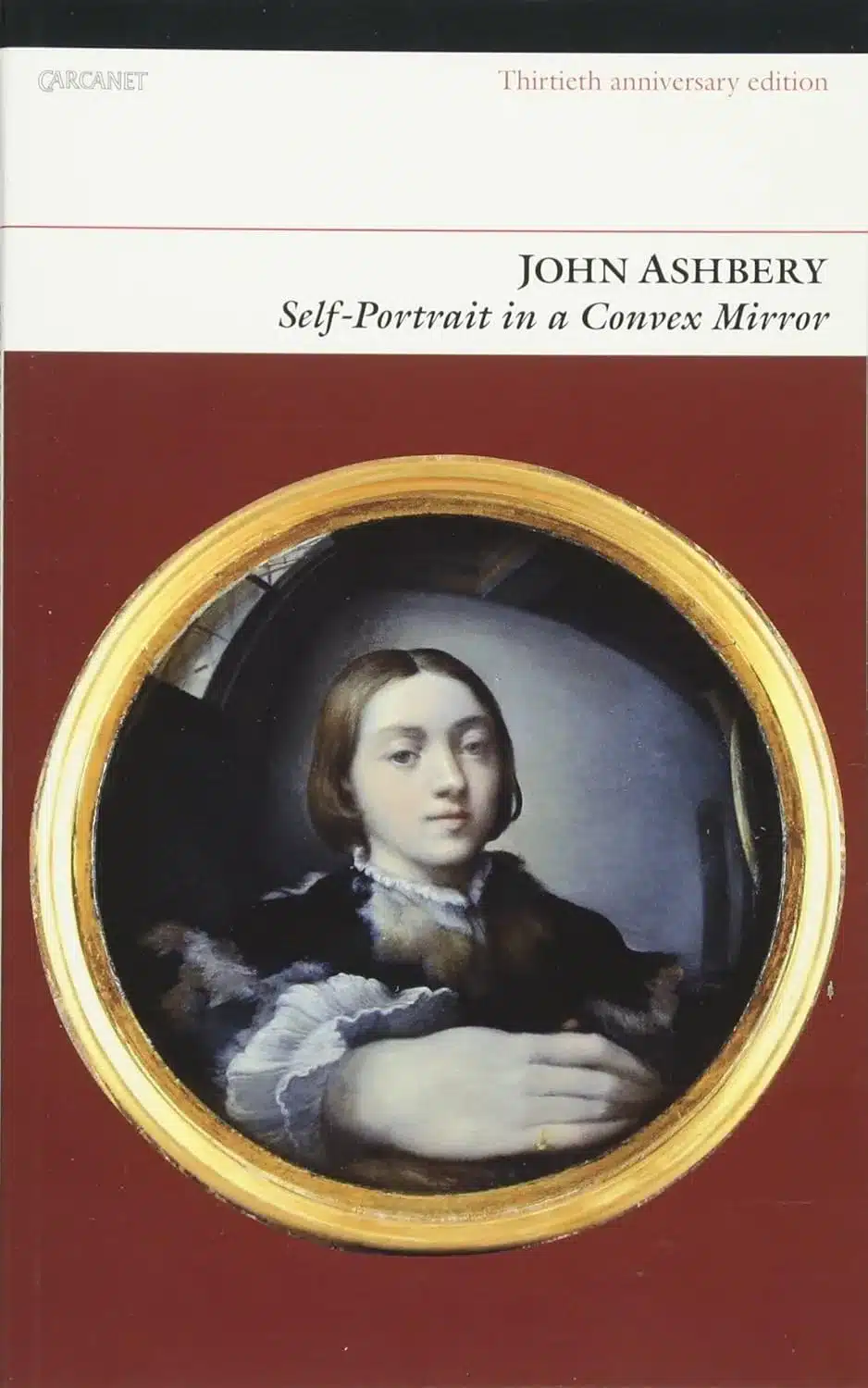
“Self Portrait in a Convex Mirror” is his masterpiece, ultimately a meditation on the nature of creation, and centers around the poem of its namesake, a meditation on Francesco Parmigianino’s painting of the same namesake. If it’s all wildly meta maybe that’s the point. Ashbery lifts the veil on the writing process and shows us how the sausage is made.
If this all sounds like a horribly self conscious exercise in inanity, well, against all odds, it doesn’t read that way. After all, Ashbery had myriad other influences besides modern art. It’s clear he was keen on the Romantic vein of American poetry from Whitman to Wallace Stevens, the New York School and French surrealists. Yet, there’s a voice that emerges that’s uniquely his.
Mark Ford, writing in the Times Literary Supplement backs me up here: “Like Whitman…Ashbery’s evasions might be seen as motivated by a similar desire to achieve a greater—and more democratic—intimacy by short-circuiting conventional modes of address.” I think the key word is short-circuit and that’s what’s so compelling about his process. It seems to be his animating ethos: Let’s beat around the bush until we get at the very nature of cognition. The results vary — from the mundane, to the pedantic, to the strangely beautiful.
But as he told Bryan Appleyard in The Times: “I don’t find any direct statements in life. My poetry imitates or reproduces the way knowledge or awareness comes to me, which is by fits and starts and by indirection. I don’t think poetry arranged in neat patterns would reflect that situation. My poetry is disjunct, but then so is life.”
“That pale haze of stars goes on & on,
Like laughter that has found a final, silent shape
On a black sky. It means everything
It cannot say.”
— From “Winter Stars”
“Levis touches something dreamlike, the horror and beauty that can exist within the commonplace.” Kliatt Paperback Book Guide
By midcareer when he published “Winter Stars,” Larry Levis was at the height of his powers. Gifted with a hypnotic lyricism, he had an uncanny ability to blend the narrative and the figurative in the slow pacing of an old Western. Like a “bar stool raconteur,” as one critic put it. After all, he grew up working as a ranch hand on his father’s vineyard in California’s San Joaquin Valley. Levis once explained to Contemporary Authors, “The landscapes in which I live always have a powerful and direct, although often delayed, effect on my poetry,”
Written in “a sprawling psalmic line”, the poems that come after the wake of his father’s death, are meditative, imagistic and full of world-weary sorrow that’s dry as the desert. He writes, “Often, I used to say: I am this dust; or I am this wind./ And young, I would accept that. The truth is, it was never the case.”
At the heart of these poems is an elegiac obsession with nothing. ‘No,’ ‘neither,’ ‘nor,’ ‘only’ and ‘nothing’ are his pet words. He favors undoing over doing and unknowing over knowing. Littered across the poems are, “small-time businessmen, their hair smelling of pomade, / Who did not dream,” “The gray morning, / Which consoled no one” and “Places where the eye can starve, / But not here.” It all lends a sinister gravity to the commonplace memories he recalls in plain vocabulary.
But for as much as Levis resisted redemption, his ability to render earthly images in shadows almost elevates the worldly into the spiritual. He writes, “I don’t know what happens to grass./ But it doesn’t die, exactly. / It turns white, in winter, but stays there…Then comes back in March, / Turning a green that has nothing / To do with us.”
In the spirit of the Imagists, Levis seemed to have faith in “no ideas but in things,” a master of the brief epiphany in the “Late Style of Fire” (as he named a poem) where the personal is entwined in the relatable. He said himself, “By personal I do not mean ‘confessional’ at all. I mean the creation of a private, familial mythology.”
Awards: Kingsley Poetry Award and the Pulitzer Prize, 1994
“I apologize for the eyes in my head.”
— From, “When in Rome—Apologia”
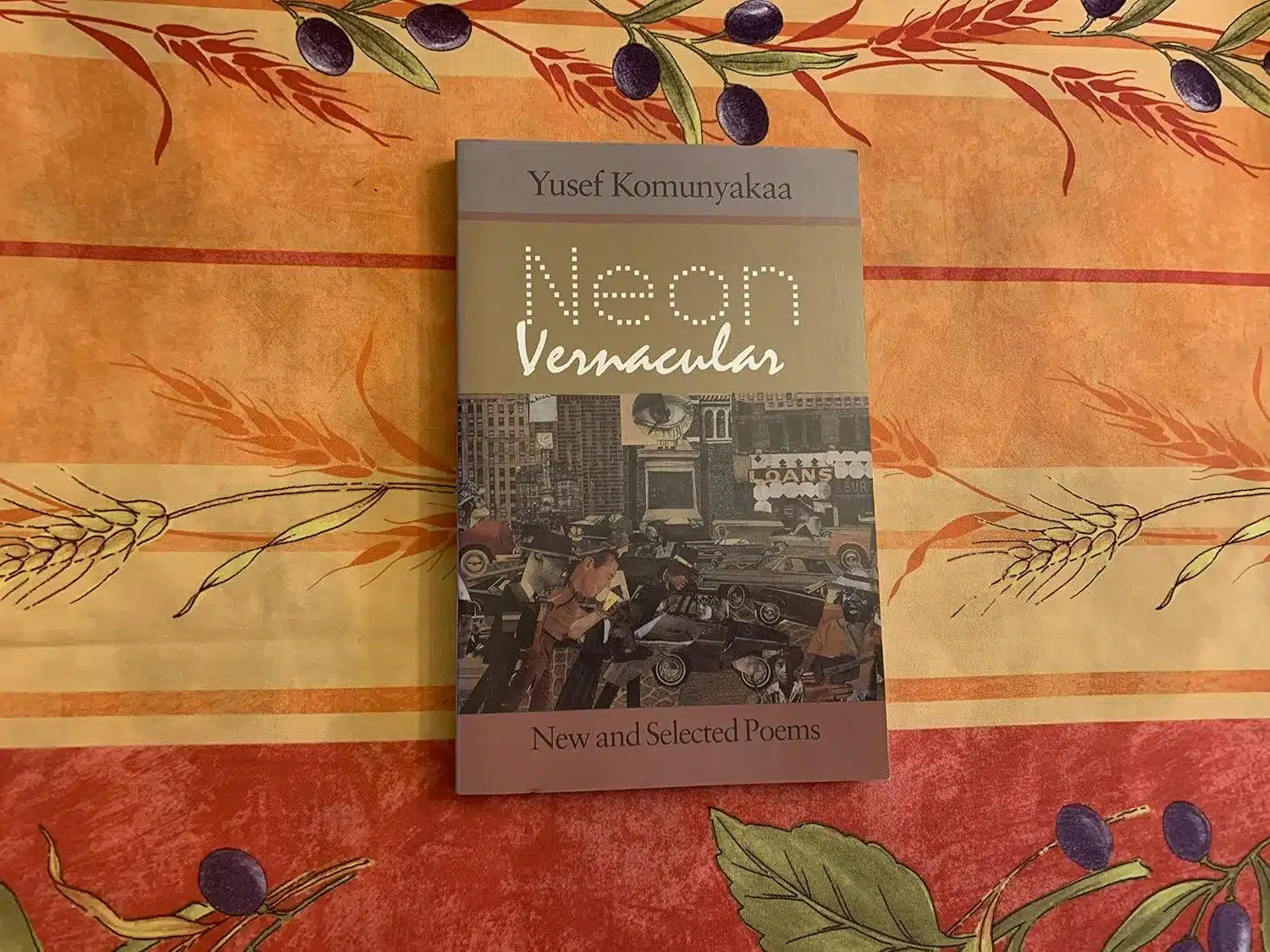
It may be a selected work, but “Neon Vernacular” reveals Yusef Komunyakaa in all his multitudes: A child in Bogalusa, Louisiana, a Black man living in America, a Vietnam vet whose poems stand as testimony to its dizzying tragedies, and a stark imagist with an eye for character. Komunyakaa is a musical poet informed by the rhythms and slang of jazz and the blues that birthed it. A moral compass that finds a way through “the most harrowing ugly subjects of our American life,” (Toi Derricotte, Kenyon Review).
Self-selected mid-career, this collection is a well-curated and intentional book that pulls together the most powerful strands of his poetic vision and features poems from his breakout 1988 collection “Dien Cai Dau” alongside previous books and a dozen new poems.
Komunyakaa takes us to his corner of the South, escorts us through childhood memories, offers character sketches and speaks of Black resilience, white supremacy, city streets and war’s horrors. The language is simple and laid out in short lines, yet they almost always seem to elude an easy read begging to be returned to. As Robyn Selman put it in a Voice Literary Supplement review, “Most of Yusef Komunyakaa’s poems rise to a crescendo, like that moment in songs one or two beats before the bridge, when everything is hooked-up, full-blown.”
“We were so poor I had to take the place of the bait in the mousetrap. All alone in the cellar, I could hear them pacing upstairs, tossing and turning in their beds. ‘These are dark and evil days,’ the mouse told me as he nibbled my ear. Years passed. My mother wore a cat-fur collar which she stroked until its sparks lit up the cellar.”
— ”We were so poor,” from Part I of ”The World Doesn’t End” (1989)
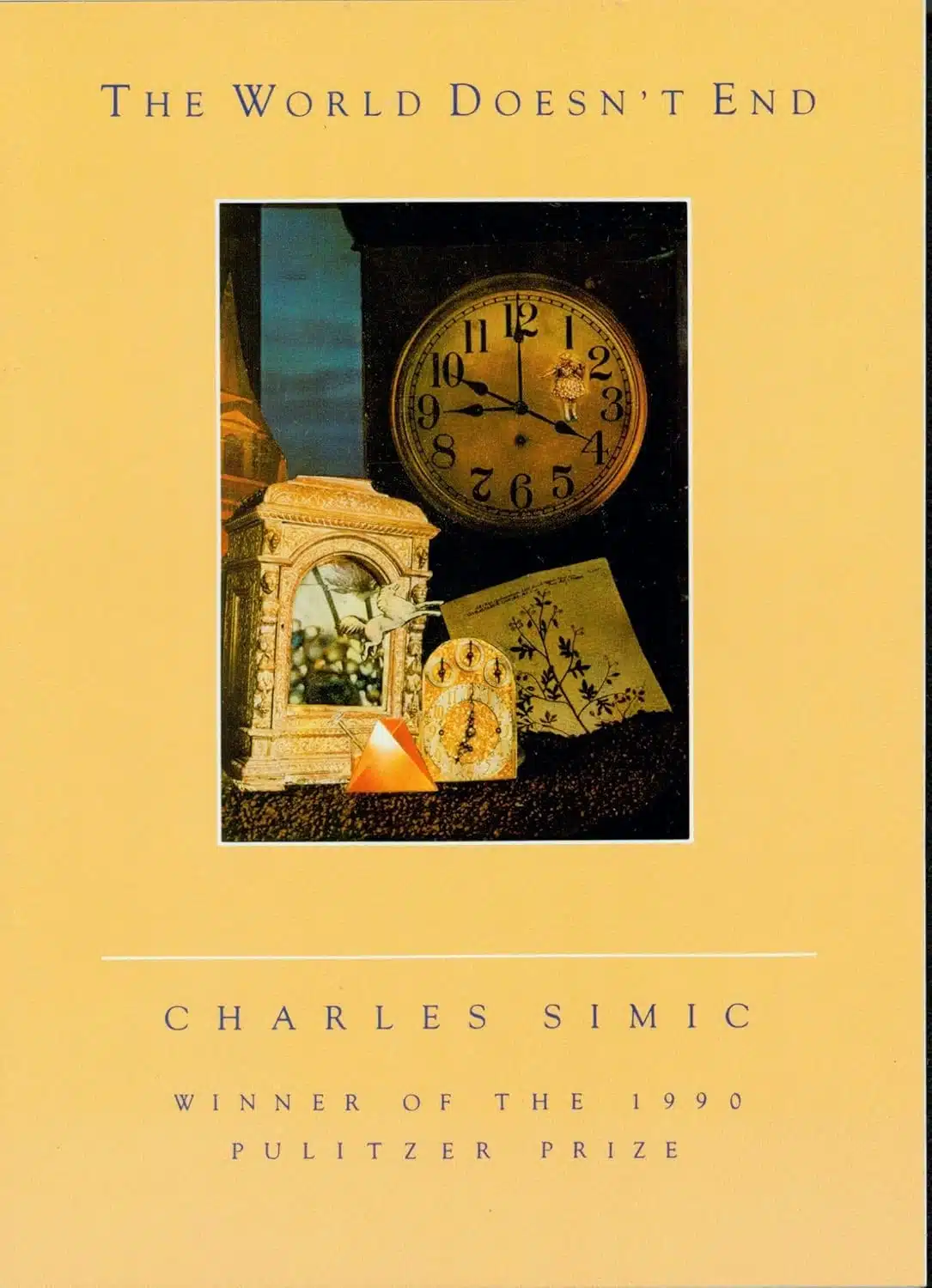
Serbian American surrealist poet Charles Simic was at the height of his career — he had just won the prestigious four year MacArthur Genius Grant. Published a year later, “The World Doesn’t End” found him at the height of his imagination. And the poet—who spent his childhood dodging Nazi and Ally bombs in Belgrade—had a visceral imagination.
The back cover blurb says it all: “You never know what Charles Simic is up to until you reach the end of the line or the bottom of the paragraph. Waiting for you might be a kiss. Or a bludgeon. A smile at the absurdities of society, or a wistful, grim memory of World War II. He puns, pulls pranks. He can be jazzy and streetwise. Or cloak himself in antiquity. Charles Simic has new eyes, and in these wonderful poems and poems-in-prose he lets us see through them.”
Crafted out of hastily written, hastily forgotten scraps collected over who knows how long, Simic became obsessed one day and began selecting 60 to 70 to whittle down and shape into this unforgettable book that blurs the ordinary and the extraordinary, animating the inanimate, and facing horror and absurdity with a gallows humor.
Upon its release in 1989, “The World Doesn’t End” was praised by critics, colleagues and poetry readers alike. It wasn’t the first book of prose poems but Simic was among the masters of the form, creating vignettes disguised in the comforting pace of a paragraph and drawing you into its bewildering conclusions only to double back to read the text again — which makes it a poem. Within a few years, Simic went on to be America’s poet laureate.
Awards: Pulitzer Prize
“At the end of my suffering
there was a door.
Hear me out: that which you call death
I remember.”
— From “The Wild Iris”
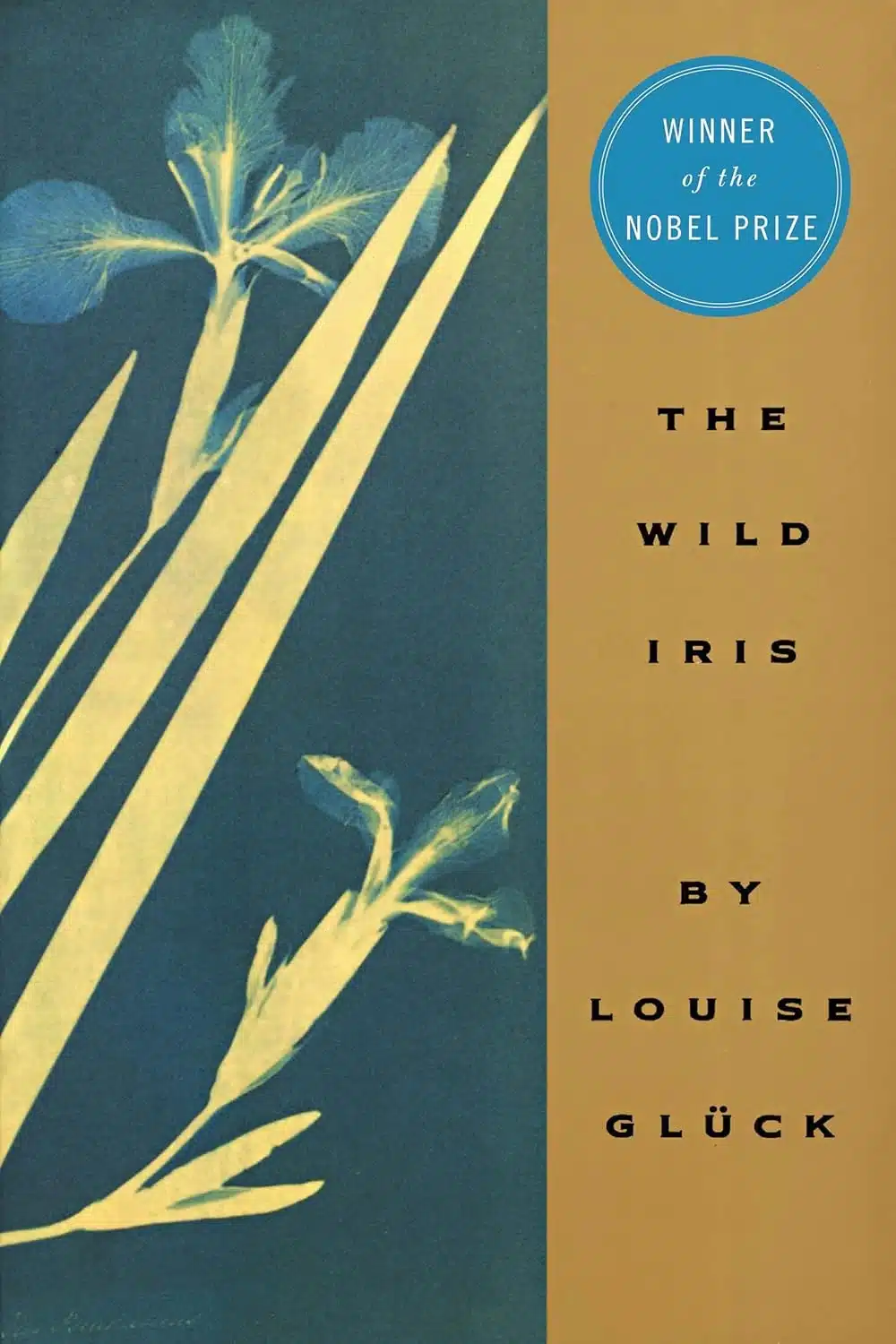
Written over one summer in 1991, “The Wild Iris” is preciously light and thin when you hold it in your hand, a joy to slip in your bag to read at choice intervals as a private ritual of joy. The book’s short poems and length pass as quickly as a season. This format is fitting. It’s composed of three segments with three voices, a gardner, the flowers and an omniscient speaker, and set in a garden. But don’t let its lightness fool you. Glück is concerned with the weight of mortality, betrayal, love and inevitable loss.
More than any collection of its time, it seemed to revive what Helen Vendler in “The New Republic” described as “high assertion…a voice of spiritual prophecy” at a time when poets were more fond of irony and skeptical of the grandiose. Big, declarative statements about God, death, the soul and fate — these were often treated with suspicion or like an old naïve lyricism too awkward for the postmodern world. The words she chose were unassuming and plain but it was “their hierarchic and unearthly tone that distinguished them,” Vendler concluded. In doing so, she paved the way for a poetics that were introspective without being confessional, highly refined without being intellectual, assertive without being dogmatic.
Later, in 2020, Glück was awarded the Nobel Prize in Literature “for her unmistakable poetic voice that with austere beauty makes individual existence universal.”
Awards: Thom Gunn Award for Gay Poetry (2006), Lambda Literary Award for Gay Poetry (2005), National Book Critics Circle Award Nominee for Poetry (2005), Yale Series of Younger Poets Competition (2004)
“A man takes his sadness down to the river and throws it in the river
but then he’s still left
with the river. A man takes his sadness and throws it away
but then he’s still left with his hands.”
— From “Boot Theory”
As Merriam-Webster puts it, to crush is “to squeeze or force by pressure so as to alter or destroy the structure; crush grapes” or “an intense and usually passing infatuation”. “Crush” is a fitting title for a book that unabashedly exposes gay romance and stole hearts when it landed, taking its place as a cult classic.
Siken blew open the confessional “tradition” with an obsessive, maximalist style that we could imagine Sylvia Plath scoffing at. Whereas her tone was cold and calculated, Siken’s was hot and spilling over. He writes like a cinematographer filming a destructive, gay love affair with multiple camera angles. His long, flowing lines, never-ending syntax, and lists are as disorienting as his crush. Words are kindling to an imaginary fire. Each poem seems like an incantation that starts one place and goes a thousand places.
It was one of those rare books that was propelled by institutional distribution (the Yale Series of Younger Poets Competition) but also struck a cord with the queer community right as poetry blogs and Tumblr quotes exploded. While a lot of 2000s prize poetry was controlled and ironically detached, Siken was writing blood-hot, obsessive love poems. It was enough to propel what could have been a niche subject, niche fan base, and niche medium (poetry, after all) far beyond what anyone expected.
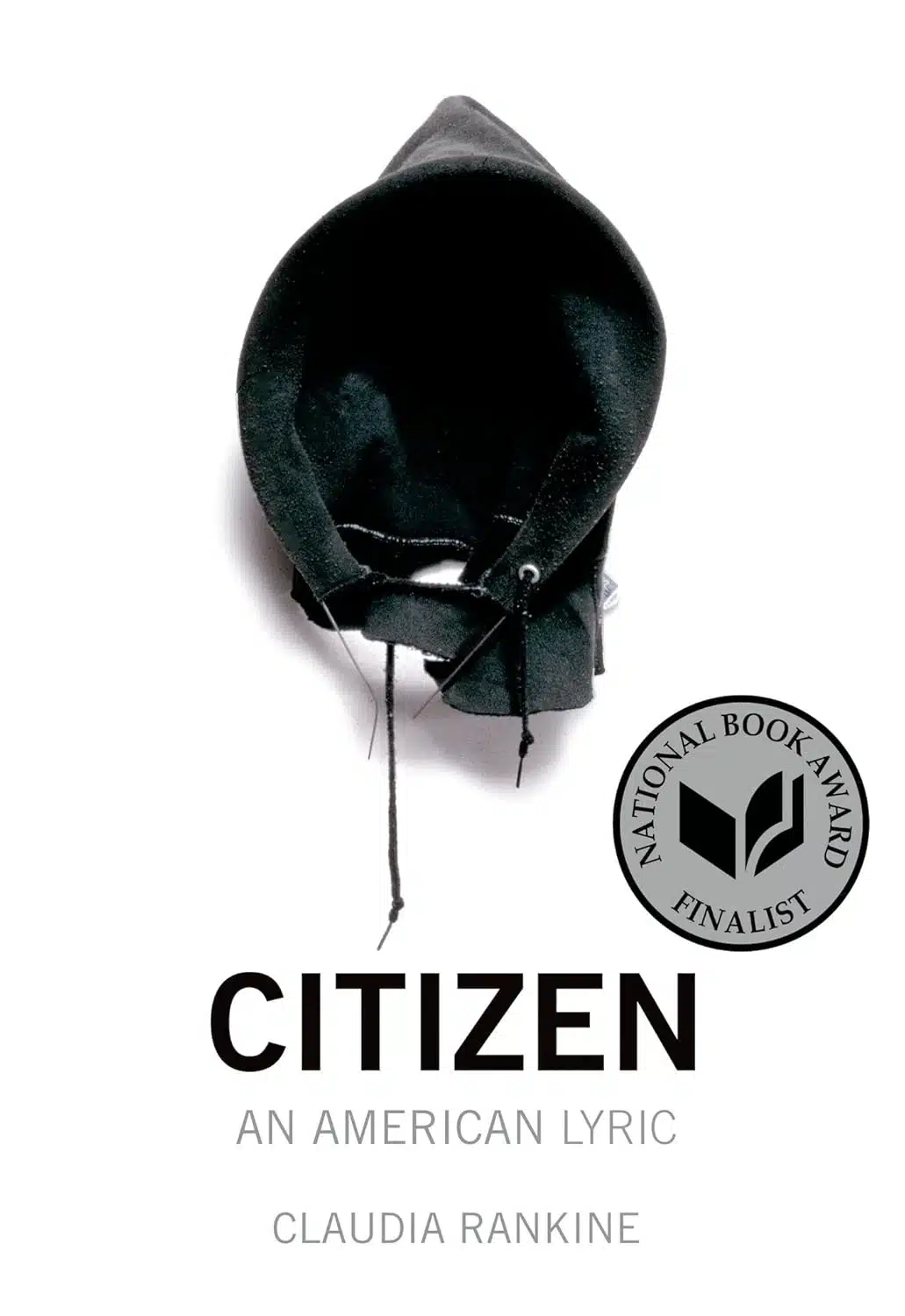
“The world is wrong. You can’t put the past behind you. It’s buried in you; it’s turned your flesh into its own cupboard.” — From “Citizen”
“Part protest, part art installation, part therapy session, Citizen is a dazzling expression of the painful double consciousness of black life in America.”
— Michiko Kakutani, The New York Times
“Citizen” may not have been the first multimedia book of its kind — a poetic statement more than a collection of poems — but it did so with a scathing critique of a two-faced America that was both intimate to Rankine yet universally gripping. It was a book that — once released — could not be put back into any one box. Between essay-like poems, there are scripts of media events, visual art and white space that feels like a breath withheld.
Rankine successfully created a work that was both private and public — to show that the private could not stay private, and that the public realm was a private nightmare for some. It managed to stir the pot right as cellphone videos began documenting police violence in real time, the killings of Trayvon Martin and Michael Brown ignited the rise of Black Lives Matter and the idea of a “post-racial America” was collapsing under its own illusion.
As Calvin Bedient observed in the Boston Review, “Rankine’s is an art neither of epiphany nor story but of exposure.” Her language is cool, observational, often plain. It’s the cumulative effect that’s gripping. Rankine layers personal anecdotes with cultural moments — most memorably in her meditations on Serena Williams — and situates them within a broader American condition.
While poetry was divided between subjective experience and public statements (increasingly unpopular), Rankine blew open the false binary and wrote to her historic time with a sense of urgency when the stakes were high.
American Poetry That’s Worth Your Time
Whether you’re drawn to American poetry for the first time or looking to find hidden gems you may have overlooked, let this list be your guide. Each particular book listed here is worth reading on its own merit without preconceptions, pushed the envelope of what we expected of poetry, and has stood the test of time. There’s a poet or collection here for everyone.

Get recommendations on hidden gems from emerging authors, as well as lesser-known titles from literary legends.