TLDR
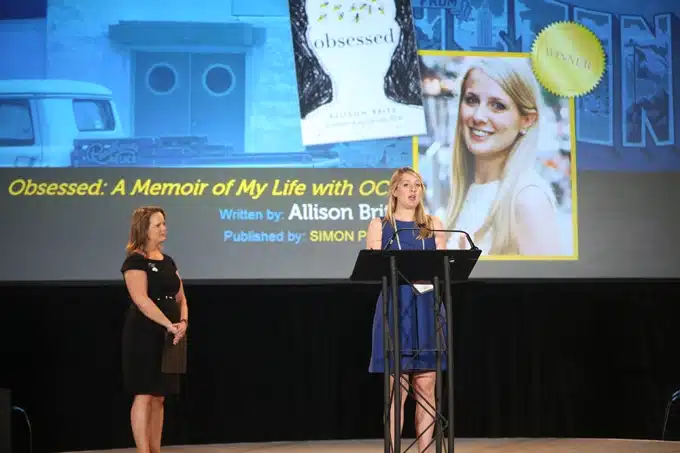
Allison Britz, author of “Obsessed: A Memoir of My Life with OCD,” pulls back the curtain on her diagnosis and how she learned to work with her brain.
When Allison Britz was in her sophomore year of high school, she woke in the middle of the night from a nightmare in which she was diagnosed with brain cancer. She became convinced the dream was a warning, and that she had to prevent it from becoming reality.
Her effort to stop the dream from coming true started as harmless habits like avoiding cracks on the sidewalk and counting her steps. However, as the potential dangers grew, Britz found herself fearful of a long list of everyday items and experiences. Her fears interfered with daily life.
Britz sought help and was diagnosed with obsessive-compulsive disorder (OCD). The diagnosis provided answers for why she had these fears and compulsions, but her next step was learning how to navigate them. Britz wrote about her experiences in her book, “Obsessed: A Memoir of My Life with OCD.”
How OCD Abruptly Changed Allison Britz’s Daily Life
Britz graduated with a Bachelor of Arts and Master of Arts from Wake Forest University, and lives in Manhattan, New York with her husband and their dog.
Her childhood and early teenage years were comfortable. Britz was a great student who participated in extracurricular activities and had several close friends. However, everything changed when she was 15 and woke from the dream that she interpreted as a warning that she would soon receive a brain cancer diagnosis.
Soon Britz’s OCD was interrupting her life at school and home. She felt compelled to avoid objects like hair dryers, bananas, anything green, cell phones and her clothing. There were even some types of school supplies she deemed unsafe because they posed a danger to her health. Britz watched her grades plummet and she lost a lot of weight.
According to the International OCD Foundation, OCD is described as a mental health disorder that occurs when an individual finds themselves trapped in a cycle of obsessions and compulsions. The organization defines the two parts of OCD: “Obsessions are unwanted, intrusive thoughts, images, or urges that trigger intensely distressing feelings. Compulsions are behaviors an individual engages in to attempt to get rid of the obsessions and/or decrease distress.”
For Britz, the obsession was the fear of receiving a brain cancer diagnosis. Her compulsions, like avoiding sidewalk cracks or anything green, were her brain’s attempt to decrease the amount of distress the obsession caused.
After her OCD diagnosis, Britz and her doctor spent years finding ways for her to navigate her OCD. Eventually they were successful. Today, 25 years after receiving her OCD diagnosis, Britz describes her intrusive thoughts like a newsfeed that runs along the bottom of her brain. The thoughts are still present, but she manages them so they no longer interrupt her daily life.
Books by Allison Britz
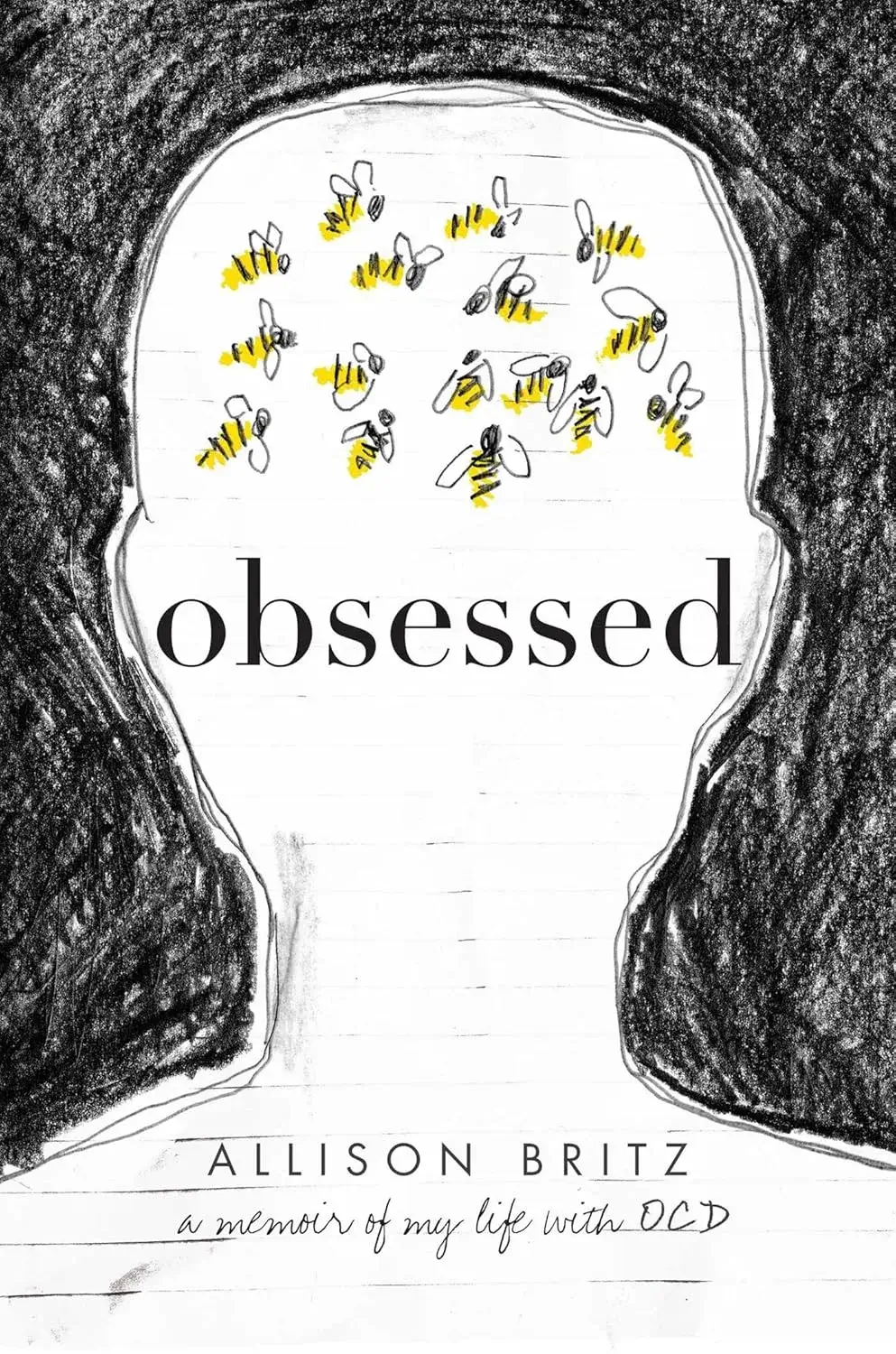
In just under 400 pages and in a writing style that reads like a novel, Britz relays her story of getting diagnosed with OCD, learning how to manage it for herself and reaching a point where it doesn’t intrude on day-to-day experiences. Britz is vulnerable and honest about her situation when the obsessive thoughts first appeared, detailing for readers how she finally reached the point of asking for help.
At the end of the memoir, readers can find a list of resources for individuals with OCD and their loved ones.
Reviews
Awards
Allison Britz Socials
Authors Similar to Allison Britz
- Susanna Kaysen
- John Green
- Charlotte Perkins Gilman
- Sylvia Plath
- Stephen Chbosky

Get recommendations on hidden gems from emerging authors, as well as lesser-known titles from literary legends.