TLDR
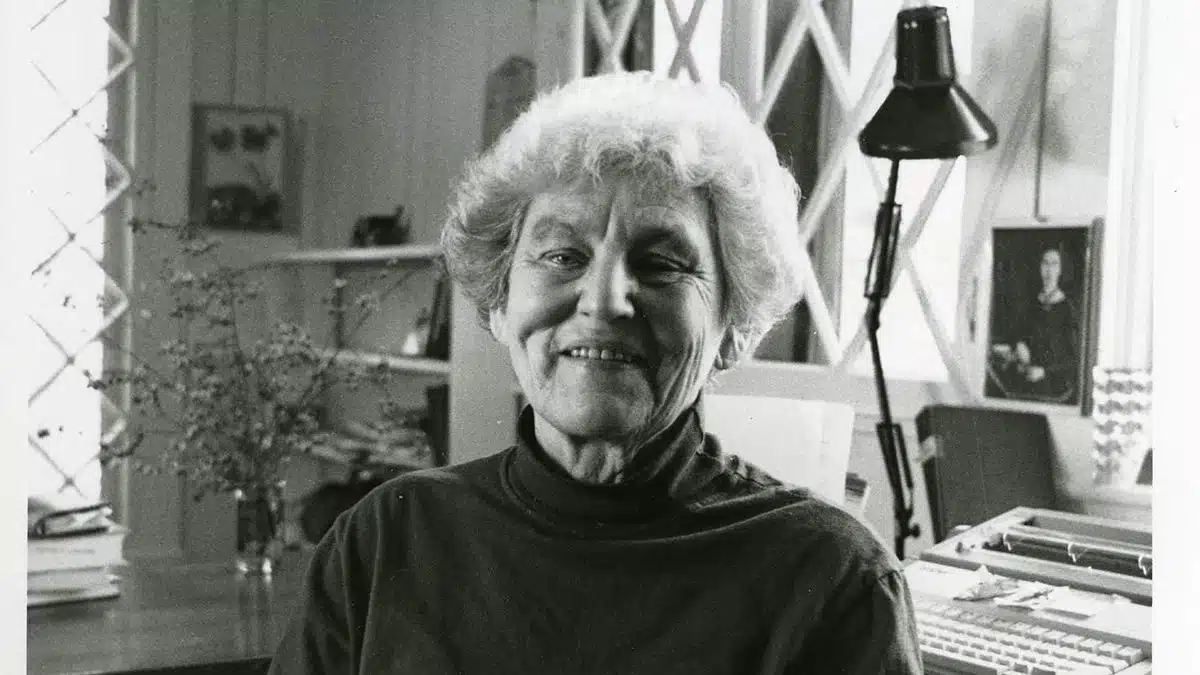
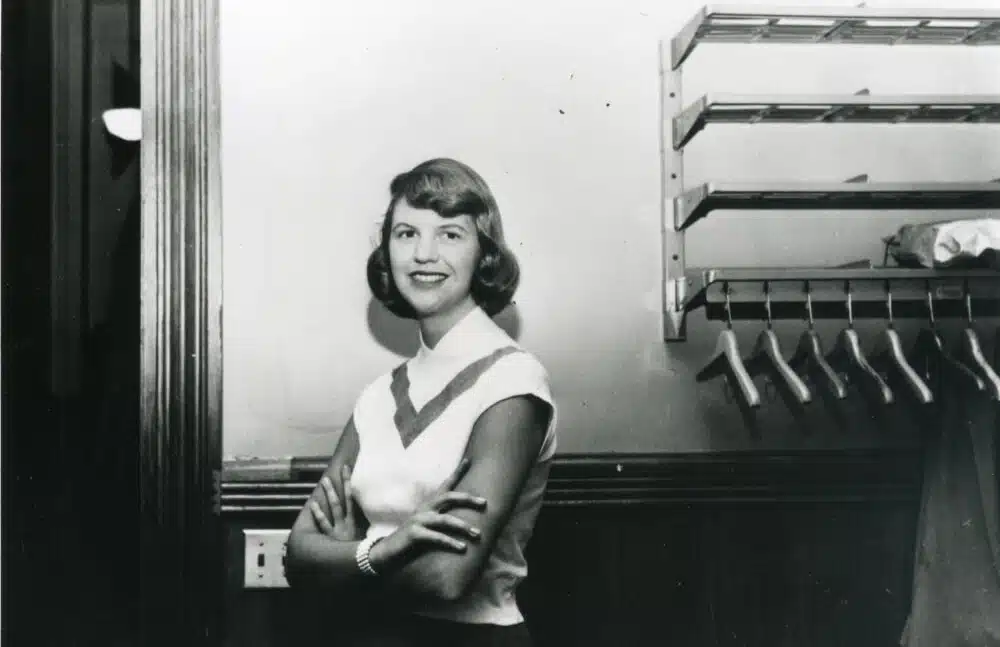
Virginia Woolf, author of classics such as "Mrs. Dalloway," was a pioneer of the stream of consciousness style. By writing openly about painful mental health issues, she contributed to the modernist literary and feminist movements.
Virginia Woolf was an early to mid-20th century writer known as a proponent of the modernist literary movement. The modernist movement covered the era of the early 1900s into the early 1940s. Modernist writers rebelled against the clear-cut storytelling and formulaic verse of the 19th century. They experimented with new styles of writing that emphasized character over plot and aestheticism over realism.
Woolf, along with writers James Joyce and Katherine Mansfield, wrote in a stream of consciousness style, revealing the free-flowing inner monologue of their characters. This style can be seen through the title character of Woolf’s modernist classic, “Mrs. Dalloway,” which spans the timeframe of one single day in June and follows Clarissa Dalloway, a society hostess, as she plans a party. Her thoughts and life are paralleled with a soldier returning from WWI and suffering with post-traumatic stress disorder (PTSD). Explorations of the fallout of World War I appear regularly in Woolf’s prose.
Editorial Note: Read our full review of “Mrs. Dalloway” here.
Woolf also examined the changing lives of women. In her seminal essay “A Room of One’s Own,” originally given as a speech at Newnham and Girton women’s colleges, Cambridge, she discussed the ways in which women’s voices had been marginalized. She suggested this suppression was due to literature and history being male constructs. In the essay, later published in book form, she introduces a hypothetical sister to Shakespeare, ‘Judith,’ who is discouraged from using her creativity because of the constant domestic tasks she must complete. She encouraged women to go out and ‘write all kinds of books, hesitating at no subject, however trivial or however vast.’
One of her most famous philosophical statements around women and writing taken from “A Room of One’s Own” was: ‘All I could do was to offer you an opinion upon one minor point—a woman must have money and a room of her own if she is to write fiction.’
Woolf insisted that to be a successful author, a writer must embrace an androgynous style of writing. She believed that women and men must transcend binaries of writing in a masculine or feminine voice, suggesting that the mind contained two sexes. Woolf believed that the male-female brain must co-operate for a synergy of creativity to proliferate.
Part of her insistence on this argument may have been influenced by the famous Bloomsbury Group, a group of artists and writers within Woolf’s milieu. Living and working in the Bloomsbury area of London, the members of the group, such as writers E.M. Forster and Lytton Strachey, and Woolf’s sister, the artist Vanessa Bell, were known for their same-sex relationships and contributions to modernist ideas around sexuality and gender.
Woolf wrote a total of nine published novels during her lifetime, with a tenth, “Between the Acts,” published posthumously. She also wrote short stories, publishing around forty-six in collections, with more in journals and periodicals. Her five-volume diary collection was published after her death. She wrote regular reviews for Time Literary Supplement (TLS). Her writing for TLS spanned 30 years and provided her with a regular income.
Whilst Woolf did dabble in poetry, this writing appears to have been mostly for enjoyment and for her family.
Woolf’s first novels, “The Voyage Out” in 1915 and “Night and Day” in 1919, were published by Duckworth & Co, a company owned by her half-brother, Gerald Duckworth. Her later novels were published by her own publishing house, The Hogarth Press. Woolf and her husband, Leonard Woolf, founded the company in 1917 and named it after the couple’s house in Richmond, UK. At first they hand-printed books and then went on to publish the work of other writers, including T.S. Eliot, Katherine Mansfield and Vita Sackville-West. It later became a more conventional publishing house.
Virginia Woolf Brief Biography: Struggle and Success
Born Adeline Virginia Stephen in 1882, Woolf was the daughter of Julia and Sir Leslie Stephen, prominent members of the Victorian arts and literary scene. One of the defining moments in Woolf’s life came when she was just 13 with the sudden death of her mother. This tragedy was cited as the cause of her first mental breakdown later that same year.
The Stephens were a blended family, with Woolf having four half-siblings from her parents’ first marriages, and three full-siblings. Her father had been previously married to Harriet Thackeray, daughter of the famous novelist, William Makepeace Thackeray, and brought one daughter Laura to the marriage. Laura suffered with mental health difficulties and was later institutionalized.
Her mother, Julia Stephen, was a Pre-Raphaelite model who had been widowed at the age of 24. She brought three children to the marriage, George, Gerald and Stella. Together the couple then had Vanessa, Thoby, Adrian and Virginia, making a total of eight children. Woolf’s half-sister Stella, the child of Julia Stephen and her first husband, Herbert Duckworth, helped to raise the younger children after their mother’s death. Sadly she also died a few years after her mother. Through her writing, Woolf spoke about the sexual abuse she suffered at the hands of her two older half-brothers, George and Gerald.
Being denied the education of her brothers, as was usual at the time, led Woolf to some of the themes around women’s lives and writing later in her life.
Woolf faced challenges with her mental health throughout her life. Following her father’s death in 1904, she suffered another breakdown. This incident led to the family’s move from their home at 22 Hyde Park Gate, Kensington, London to 46 Gordon Square, Bloomsbury. This area is where she became acquainted with many of the artistic intelligentsia who went on to impact both her writing and her lifestyle.
In 1909 — following the death of her brother Thoby and the marriage of her close sister, Vanessa — Woolf moved with one of her brothers, Adrian Stephen, to share a house at Fitzroy Square, London, continuing the meetings of artists’ and writers here. They also took in three lodgers during this time, providing rooms for their artistic friends. One of these was Leonard Woolf, whom Woolf would go on to marry in 1912. Due to her fragile mental state, particularly affected by the horrors of news of WWI, Leonard moved Virginia to Richmond, a suburb outside of London. Here he hoped the countryside would aid her recovery.
Although the couple shared a loving and gentle marriage, Virginia Woolf struggled with male intimacy. She relayed the sexual abuse she suffered at the hands of her two older half-brothers, George and Gerald Duckworth, through her letters and diaries.
She did, however, enjoy a passionate 10-year love affair with the short story writer and aristocrat Vita Sackville-West. Despite both women being married, they frequently sent one another passionate love letters. Although West had experienced extra-marital relationships with women before, this was likely Woolf’s first. The relationship influenced Woolf’s novel, “Orlando,” which she wrote as a love letter to Vita. Woolf’s novel returns to her ideas around gender and androgyny, with the titular character changing gender partway through the narrative.
Leonard and Virginia also spent much of their marriage living at Monk’s House, East Sussex, purchased in 1919. The address became their permanent residence in later life.
On March 28th 1941, Woolf died by suicide at the age of 59. Filling her pockets with stones, she waded out into the river Ouse, close to the couple’s home. She left behind a letter explaining that she had loved her life with Leonard, but that she could no longer continue with her failing mental health.
The Books of Virginia Woolf
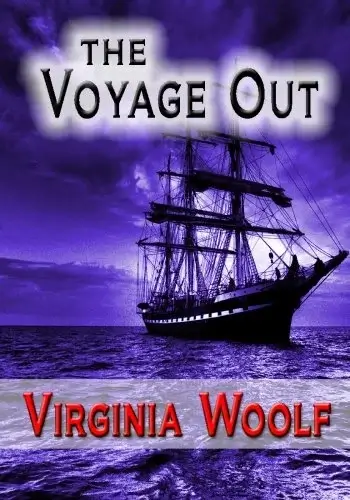
Woolf’s debut novel tells the story of a party of English people aboard a ship bound for South America. Rachel Vinrace is the protagonist, a young woman who is totally ignorant of politics, society, books, love, sex and marriage. It is a book of a woman’s self-discovery. The book has sometimes been criticized for its lack of pace and weak characterization.
Reviews
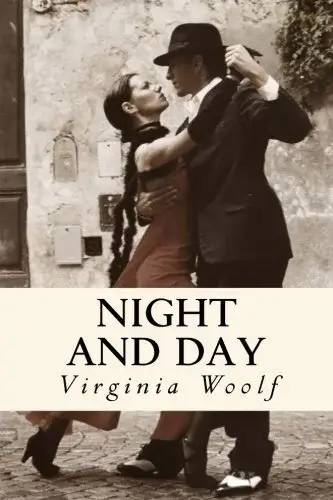
A love story and social comedy which attempts to subvert both genres. The central protagonist is a privileged woman named Katherine Hilbery, caught between two male lovers. The lives of a women’s rights activist and her mother become impinged on her own, causing interesting consequences. Some critics found the novel ‘odd,’ and with a ‘strange confusion of genres, influences, themes and characters’.
Reviews
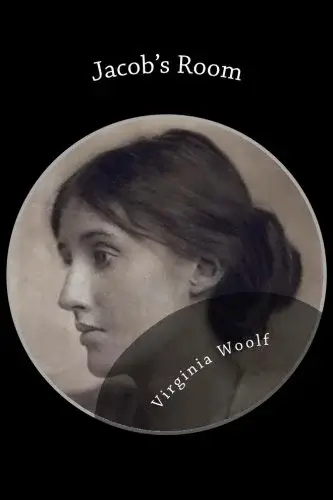
“Jacob’s Room” was Woolf’s first novel and displayed the Modernist form that her later works would possess. It tells the story of Jacob Flanders as he passes through adolescence into adulthood, on the brink of war in 1914. The book heralds Woolf’s break from traditional forms, following Jacob through loosely related incidents and impressions, rather than a linear narrative. Although praised for its originality and powerful visual imagery, it provoked contradictory emotions in some critics, who were left feeling unsatisfied.
Reviews
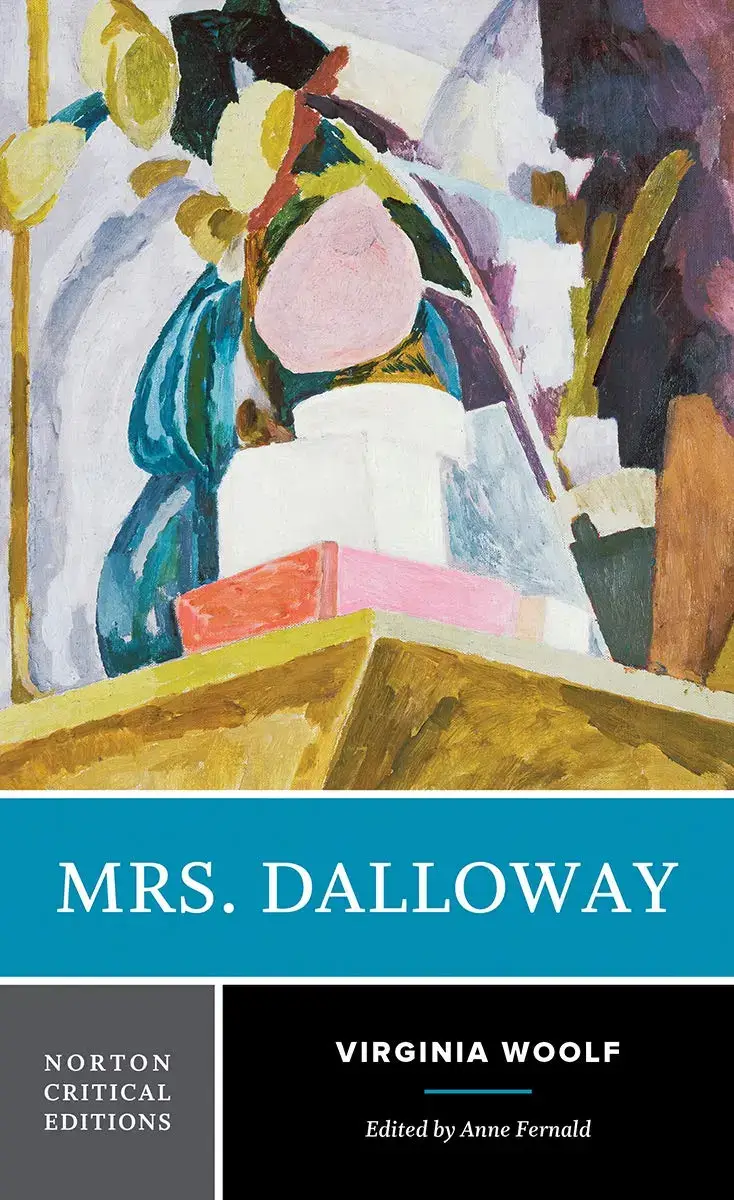
The book tells the story of Clarissa Dalloway, a society hostess, as she plans a party at her home one day in June, 1923. As she moves through London, she remembers the people she has loved in her life. Simultaneously, a returning WWI soldier, Septimus Warren Smith, is suffering from shell-shock and on the verge of madness. The two worlds converge as the party reaches its climax. The book shows Woolf’s deftness with the use of the inner monologue and the stream of consciousness writing for which she became known. The novel was praised for its rejection of linear Victorian narratives and fragmented reality as well as commending Woolf’s social commentary through the book.
Reviews
In this novel, Woolf gives an impressionistic depiction of the Ramsey family as their annual summer holiday falls under the shadow of war. It is also a meditation on family, parenting, marriage, childhood and grief. It has a poetic resonance and again, rejected earlier forms of writing. Critics praised the novel for its historical presentation of WWI.
Reviews
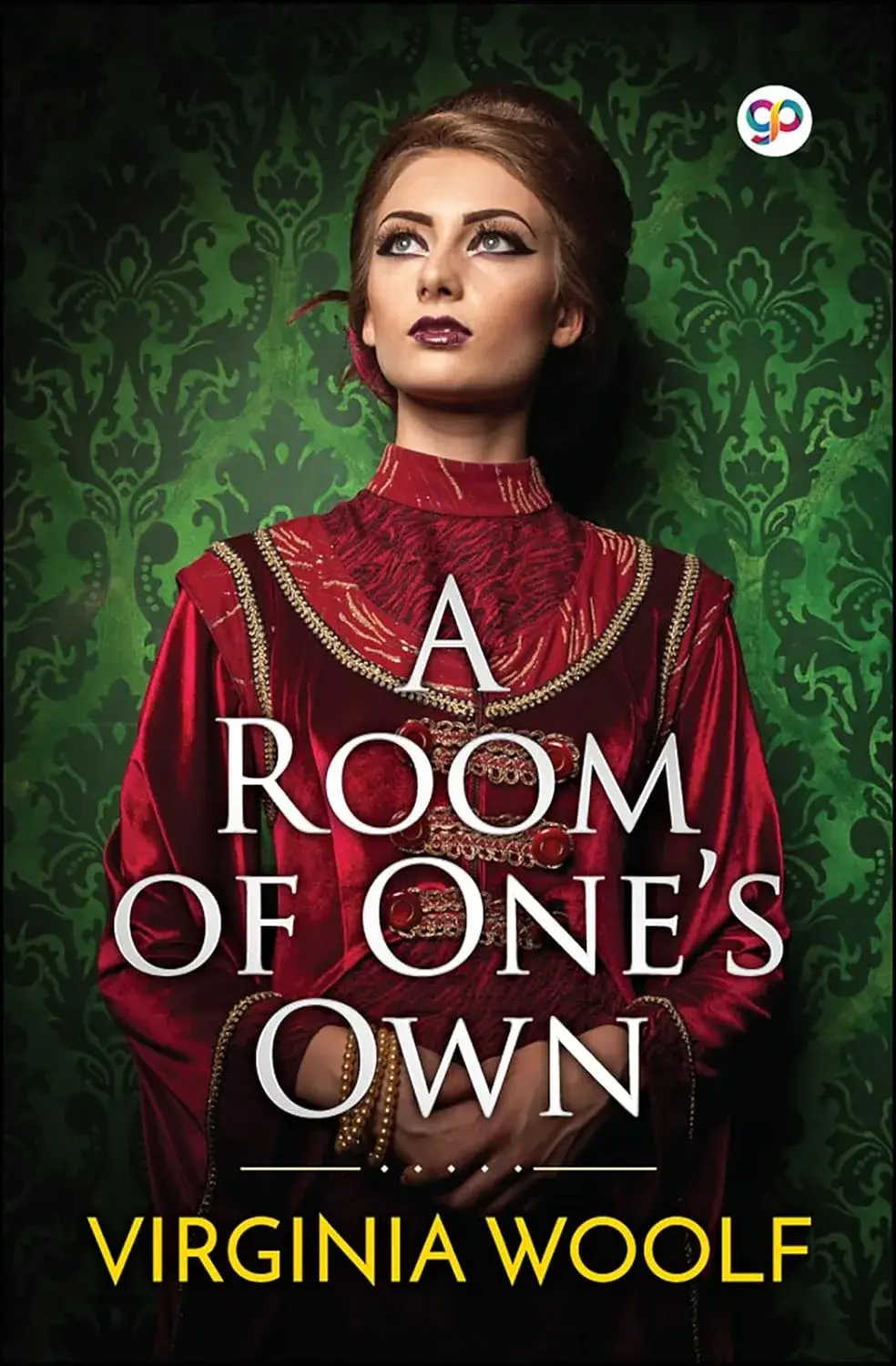
The book features the essay of the same name written as a speech given by Woolf to Newnham and Girton women’s colleges, Cambridge. The theme of the essay focuses on women’s need to have an income and a room of their own in which to write fiction, as well as the ways in which they have been prevented from doing so. Critics have since hailed it as a founding text of feminist criticism.
Reviews
Perhaps Woolf’s most hypnotic novel, this is narrated by six voices, three women and three men who know one another from childhood. It follows them through school, university, work and marriage. The book carries the six adults into old age and has been described as being written more to a rhythm than a plot. For this reason, some critics have found it difficult, whilst others find its atmosphere mesmerizing.
Reviews
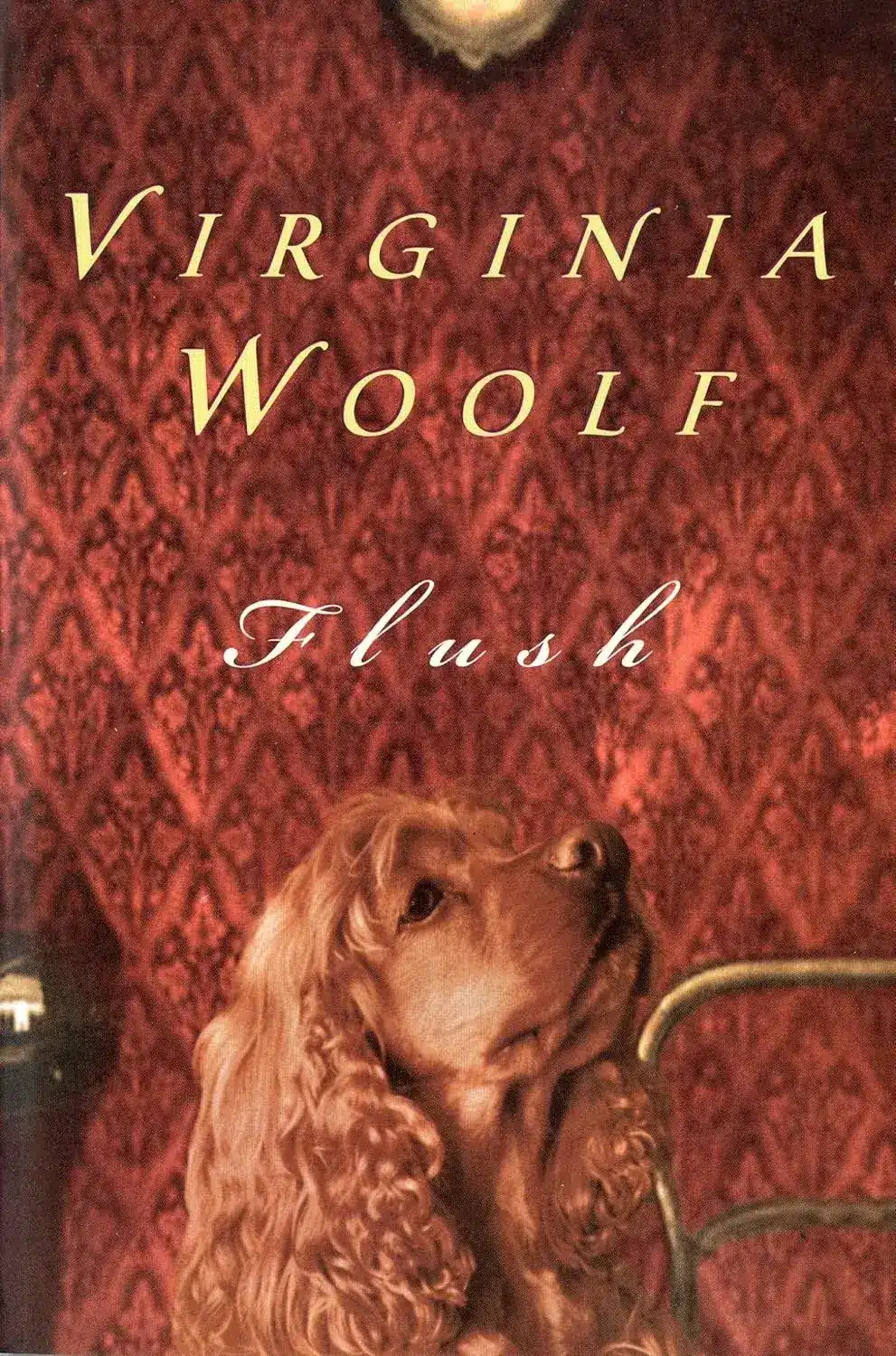
This is a semi-fictional biography of Elizabeth Barrett Browning’s beloved cocker spaniel, Flush. The book is a cross-genre blend of fiction and nonfiction, told through the eyes of the dog. Although seen by many critics as a humorous mock-biography, others have pointed to its comments on fascism and eugenics and animal psychology.
Reviews
“The Years” tells the story of three generations of the Pargiter family and has been seen as a savage indictment of British society at the turn of the century. Initially popular, the book was Woolf’s bestselling novel during her lifetime. It has received a somewhat critical indifference since, with some citing its lack of plot, continuous storyline or central protagonist.
Reviews
Woolf worked on this novel shortly before her death. It has been said to be a response to the death of her nephew, Julian Bell, in the Spanish Civil War in 1937. The book is set at Pointz Hall, six weeks before the outbreak of WWII. It features the Oliver family and is set on a single summer’s day where the local villagers stage an annual pageant. Some critics have responded to Woolf’s evocation of human life in the book as remarkably resonant in our modern times.
Reviews
Amazon
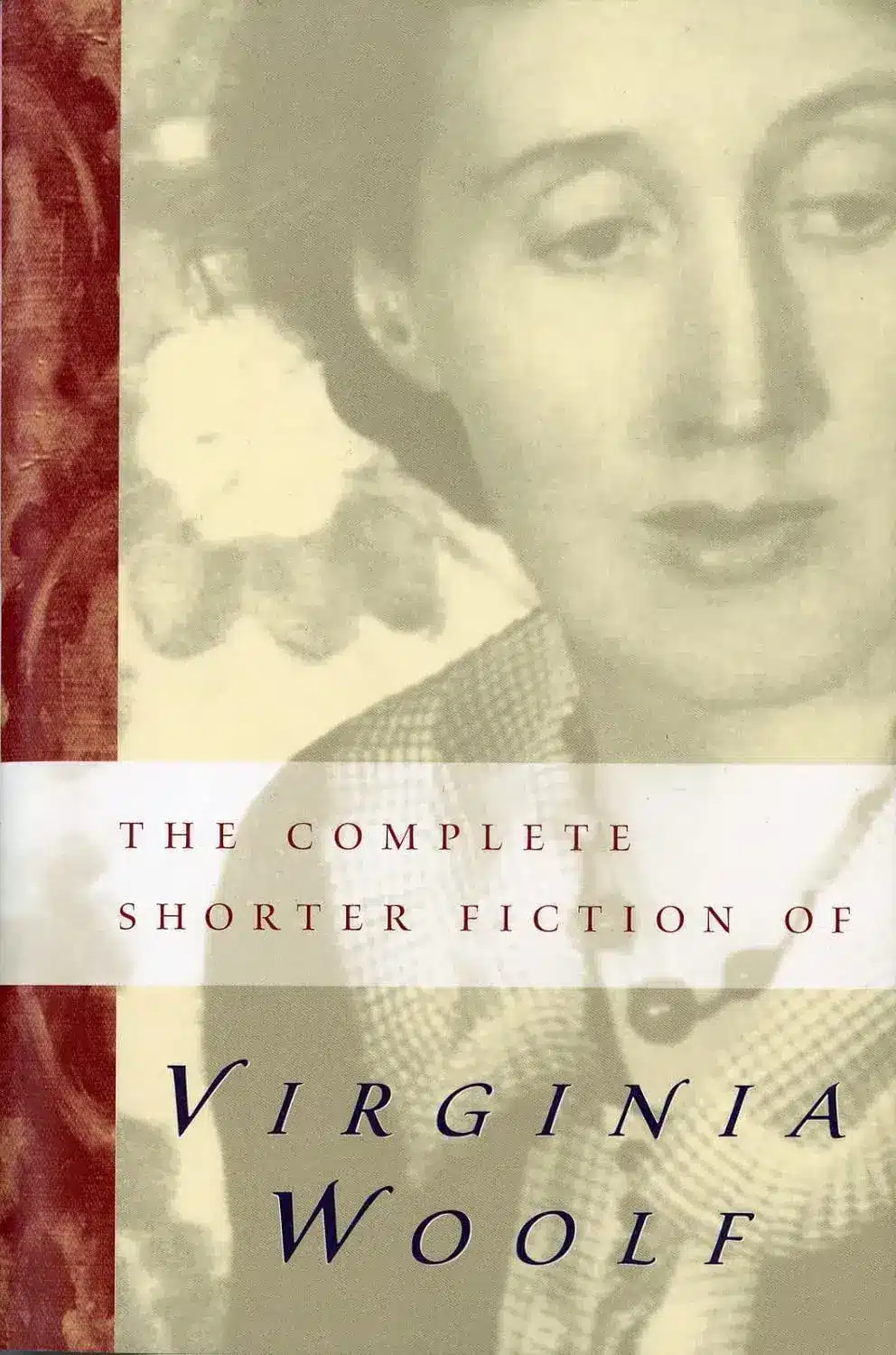
Woolf’s short fiction has appeared in various journals and physical collections, with this being one of the most comprehensive. Critical responses to her shorter fiction have varied, with some critics dismissing them for failing to contain space for her technical ability. Reviewers appear to specifically appreciate that Woolf’s stories are listed in chronological order within the collection.
Reviews
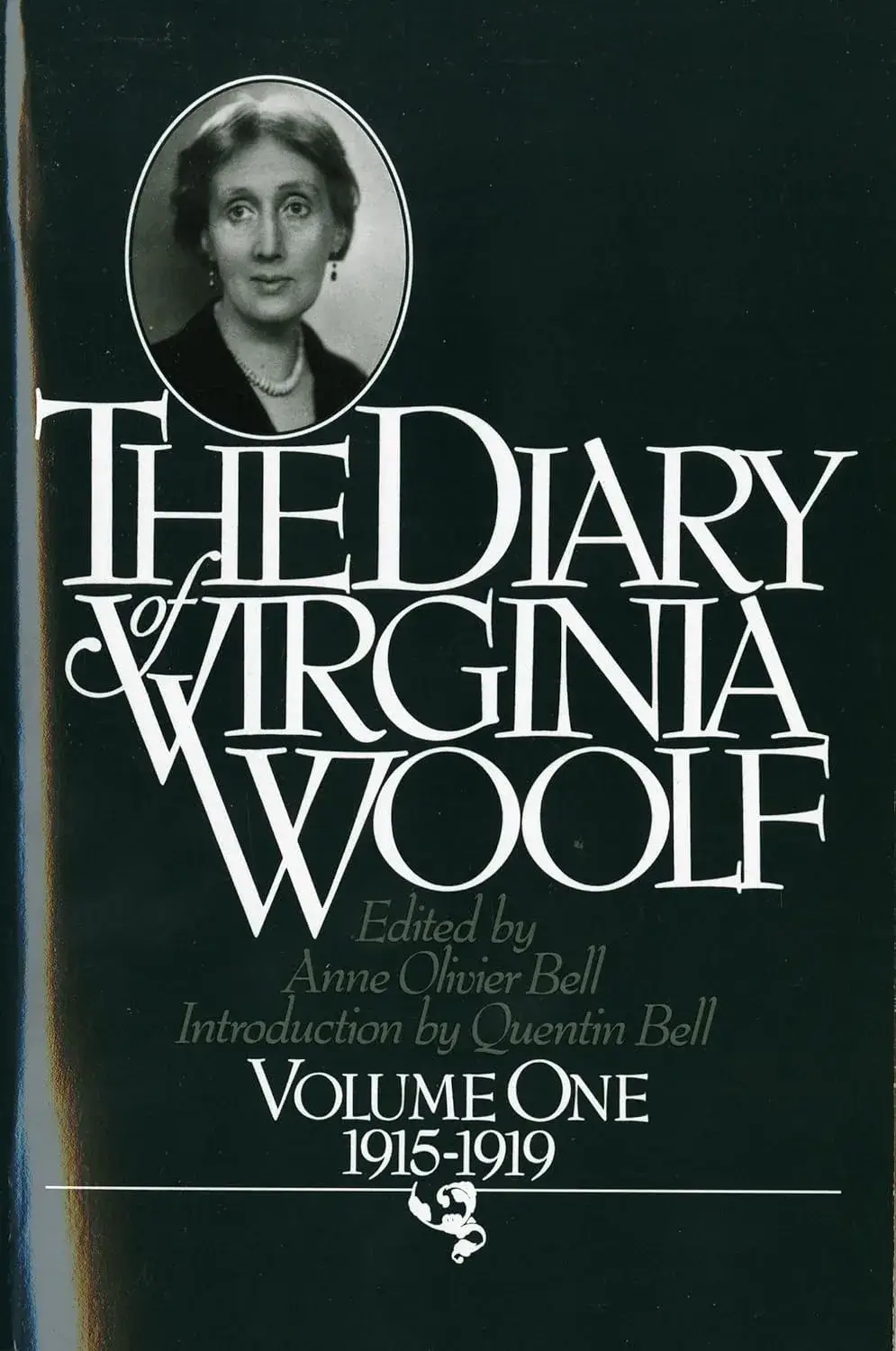
Published over five volumes, the diaries record both her life, times and writing practice. The earliest surviving diary begins in 1897, when she was almost fifteen. The last in 1941, four days before her death. They provide a valuable record of the development of Woolf as a writer.
Here’s a breakdown of how you can purchase the five volumes:
Reviews
Woolf’s Political and Cultural Views: Feminism and War
Much of Woolf’s world views were expressed through her writing in essays such as “A Room of One’s Own” and “Three Guineas.” Mostly, these addressed feminist ideologies and the disparity in women’s writing and lives. She was also deeply troubled by war and often returned to the topic in her novels.
Outside her writing, she carried out work such as organizing a wartime food co-operative and campaigning for adult suffrage. Together with her husband Leonard, she carried out political activism, campaigning on issues such as anti-imperialism. Leonard was associated with the Labour Party and utilized The Hogarth Press to publish a range of political material. He was the most openly political of the two, whilst Virginia utilised her literary skills to write notes and collate statistical data toward Leonard’s work.
Like many writers of her age and class, Woolf’s works include what we would now consider racist and anti-Ashkenazi references. Woolf has also been criticised for her references to a group of ‘imbeciles’ in a 1915 diary entry. Her half-sister, Laura, appears to have had a mental disability, though the correct diagnosis is not known. Woolf made the connection between the ‘imbeciles’ she encountered on her walk in 1915 with the vacant look on Laura’s face. She commented that they ‘should certainly be killed,’ and mentioned her disgust at having Laura join them at the dinner table. This side of Woolf is not often discussed. Although she was likely referring to mental disability in the parlance of the era, it is also possible that the harshness of the feelings were related to her own worries about her mental health.
Awards
Though Virginia Woolf did not win any prestigious literary awards during her lifetime, she is recognized as a pioneering 20th-century modernist writer. Her novel, “Mrs Dalloway,” was named as one of Time magazine’s best 100 novels. Prizes have also been set up in her name, such as the Newnham College Woolf Essay Prize.
Virginia Woolf on Screen
‘Orlando’
Perhaps the most successful adaptation of Woolf’s novels was Sally Potter’s 1992 adaptation of “Orlando.” Starring Tilda Swinton in the title role, it was critically well received, with Swinton’s performance seen as ‘magnetic.’ There have also been various other big and small screen versions of both her books and her life, including “Vita and Virginia,” exploring her relationship with Vita Sackville-West.
‘Who’s Afraid of Virginia Woolf?’
A play in three acts by Edward Albee, which debuted on Broadway in 1962. Featuring a quarrelling middle-aged drunk couple, George and Martha, as they return from a faculty party. It takes place in their living room. Two more friends arrive, and the arguments intensify. The first film adaptation of the play was released in 1966 to critical acclaim. The play’s name, a pun on the song “Who’s Afraid of the Big Bad Wolf?,” was chosen by Albee as it highlights the themes of illusion and reality found within Woolf’s writing.
‘The Hours’
In 2002, Michael Cunningham’s book, “The Hours,” taken from the original name for Woolf’s “Mrs. Dalloway,” was released as a film directed by Stephen Daldry. The script was written by Cunningham together with David Hare, with a stellar cast featuring Meryl Streep, Julianne Moore and Nicole Kidman as Woolf. It shows how “Mrs. Dalloway” and the subject of suicide affects the lives of all three women.
Virginia Woolf Quotes
“Lock up your libraries if you like; but there is no gate, no lock, no bolt that you can set upon the freedom of my mind.”
“As a woman I have no country. As a woman I want no country. As a woman, my country is the whole world.”
Similar Authors to Virginia Woolf
- James Joyce
- Dorothy Richardson
- Katherine Mansfield
- Jean Rhys
- Hilda Dolittle (known as H.D.)

Get recommendations on hidden gems from emerging authors, as well as lesser-known titles from literary legends.