TLDR
Characters with bipolar disorder can be powerful ways to reduce stigmas and help those dealing with the mental illness feel less alone in their challenges. Author and speaker Leig Gregersen discusses three examples of bipolar disorder in fiction that supported his recovery, and may help readers learn about a long misunderstood mental health condition.
As someone who lives with schizoaffective disorder (bipolar type) — effectively a combination of schizophrenia and bipolar disorder — I appreciate seeing well-written characters with bipolar disorder. Whether in books or film, these stories are crucial for combatting stigma, shattering ignorance and disseminating helpful information about how to find treatment and support people with the condition.
The recent progress I’ve seen with bipolar disorder actually reminds me of how cancer became less stigmatized. I used to work with a woman who was a decade or two more experienced than I am in life. We worked together for The Schizophrenia Society of Alberta, giving presentations to various groups about the facts of mental illness. This woman often would mention that when she was growing up, cancer was a subject that was not mentioned in polite company.
Then, through storytelling, writers and survivors popularized the reality that many people could beat cancer and live well with it. Soon after this simple act of human communication made the illness less stigmatized, attitudes began to change. People went in for screening more often, leading to early detection. Funds were raised for research and treatment. Incredible numbers of lives were saved.
3 Characters With Bipolar Disorder
Art and culture often spearhead the progress of understanding the human condition. Characters with bipolar disorder are no exception.
The following includes characters who greatly impacted my own recovery.
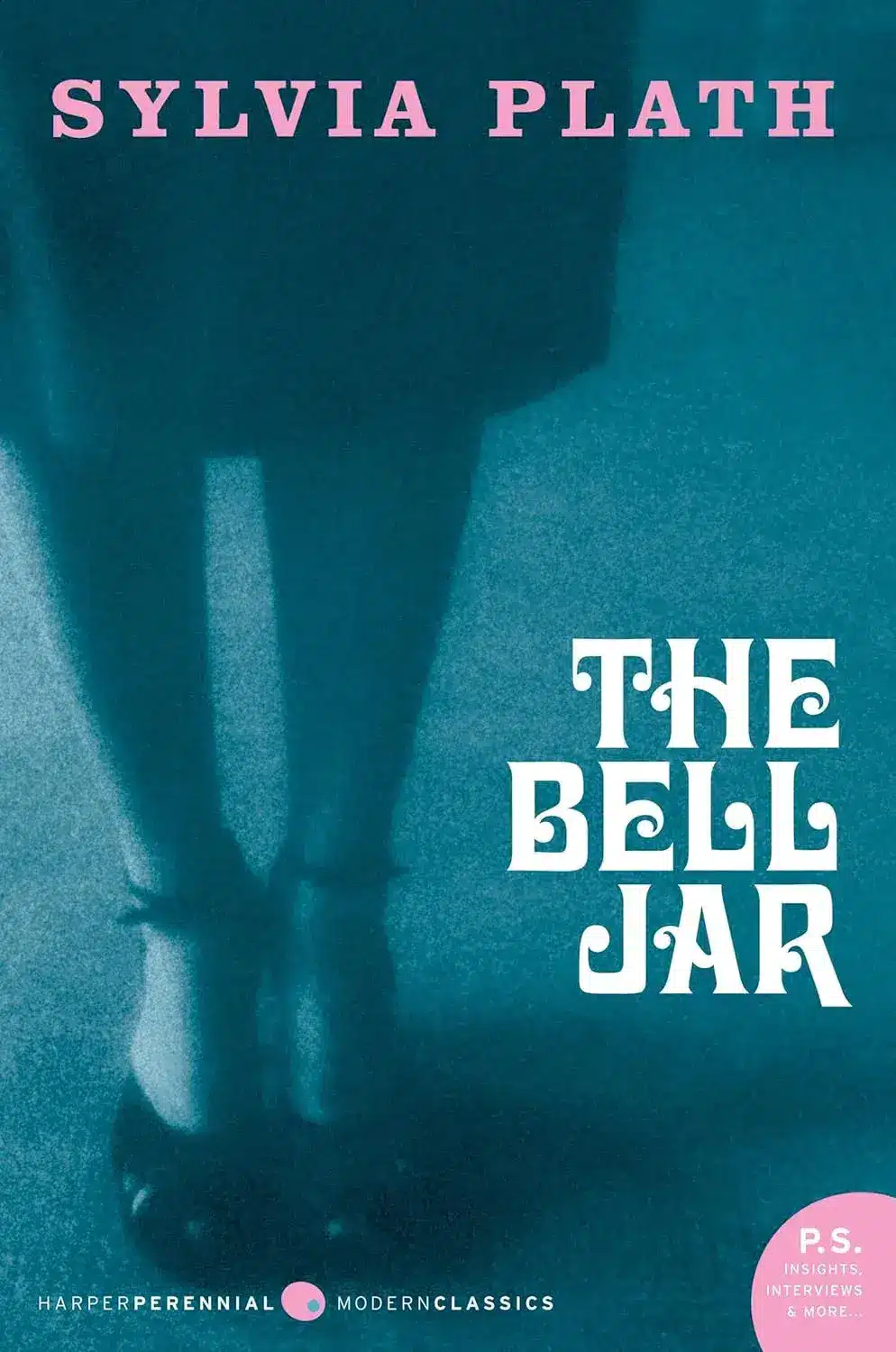
1. Esther Greenwood from ‘The Bell Jar’
Readers and critics often think of Esther as only having depression, but I saw signs of bipolar disorder as well.
The main character is Esther Greenwood, a young woman blessed with intelligence and opportunity. She goes to New York on a special scholarship to learn and interact with influential, popular cultural icons while learning the magazine business.
“The Bell Jar” grabbed me in several ways. First, Plath was an incredible poet. She studied poetry at the Ivy League level. In the earlier, more cheerful parts of the story, she has an exceptional ability to write prose with the skill of a poet. Her skill resonates through the most ordinary parts of the story, like when she is at a banquet, “Under cover of the clinking of water goblets and silverware and bone China, I paved my plate with chicken slices.”
Editorial Note: Read our full review of “The Bell Jar” here.
As the story progresses, Esther, having won an academic contest, experiences the sights and sounds of 1950s New York, in all its glory. But she soon begins to realize that the reality of 1950s America means women were still intended not for flashy careers and leadership roles. Instead, women, no matter how intelligent and capable, were at best expected to be secretaries just long enough to find a wealthy man to marry.
I believe this realization is what triggers Esther to spiral downward into the self-destructive mood swings of bipolar disorder, with its hopeless periods of depression, punctuated with blasts of uncontrollable drive and energy, which has her eventually end up in asylums and mental health wards, receiving shock treatments and heavy medications.
The biggest question in this story is whether Esther is simply an unfortunate young woman who was brilliant, but had an illness, or if the world she lived in made it impossible for her to not have a mental illness, which caused her to be labelled bipolar and committed to mental health facilities because she wouldn’t conform to the realities of a man’s world. The saddest part of this book for me was learning that this incredible author lived to be only 31 years old at which point she took her own life.
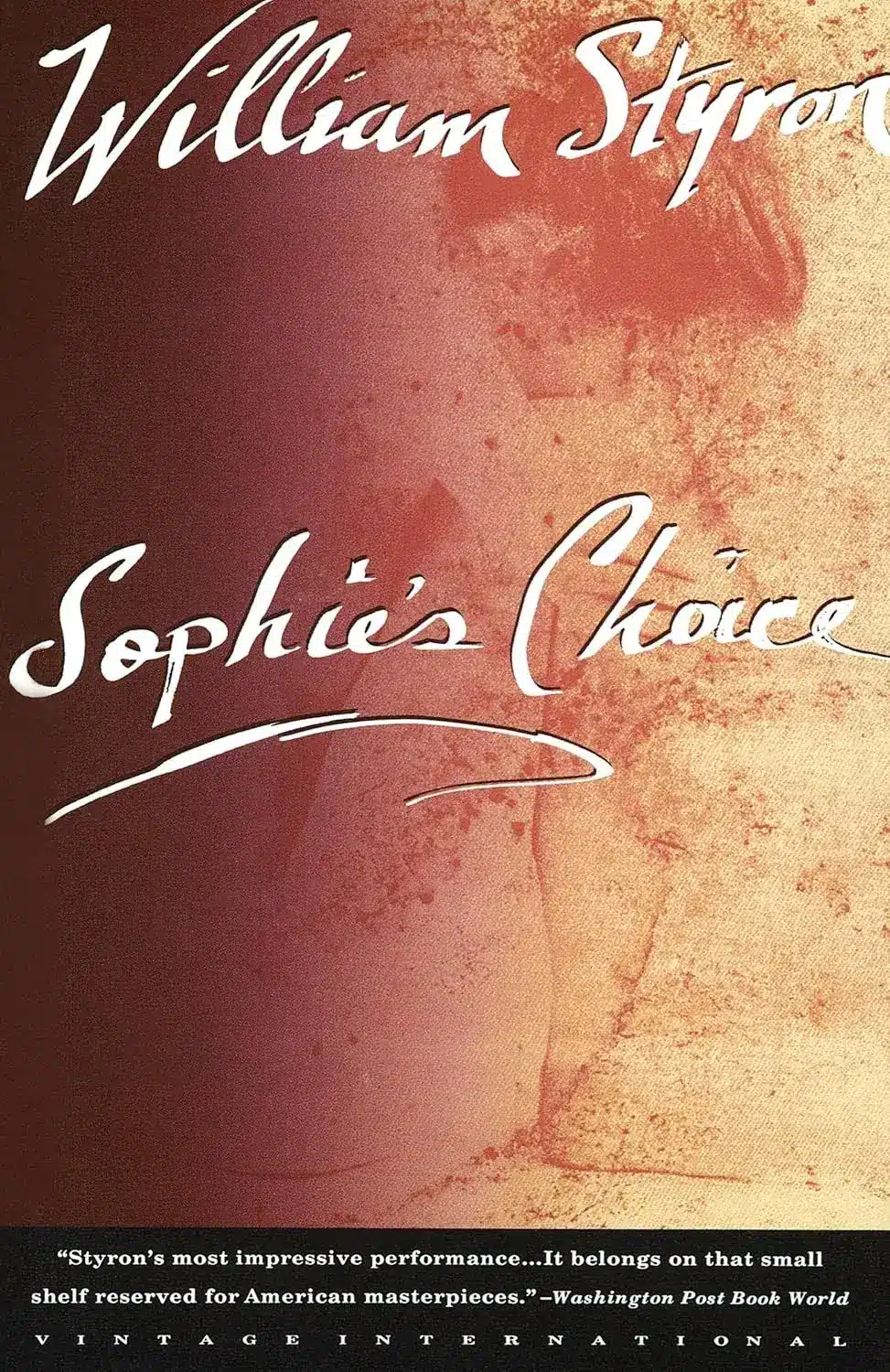
2. Nathan Landau from ‘Sophie’s Choice‘
In the book, “Sophie’s Choice,” which was also a movie with Kevin Kline, Meryl Streep and Peter Macnicol, readers follow the protagonist Sophie and the incredible abuses and hardships she endures. Sophie is locked into a marriage with Nathan, who — from a time when it was difficult for doctors to agree on diagnoses — has a severe mental illness that could be bipolar, schizophrenia or the rare combination known as schizoaffective disorder.
For me, the most fascinating aspect of the book was Nathan’s character development. He is flamboyantly energetic and charming, desperately in love with Sophie and a true friend to the narrator of the story, Stingo. Stingo is a young man who befriends the couple while living frugally and writing a novel he hopes to publish.
In the book, the character of Nathan was intended to be a person with paranoid schizophrenia. To me, when I revisit the story by watching the movie and go over passages of the book, I keep returning to the idea of schizoaffective disorder, which was greatly misunderstood at the time in America. It’s important to me because schizoaffective disorder is also my own diagnosis.
In the book Nathan displays incredible knowledge and passion regarding his work as a scientist. As the book progresses, we learn more devastating facts about him.
Sophie, his wife, is a holocaust survivor who first had to make a “choice” between having her young daughter or son taken away by the Nazis. She chose to keep her son, something that tormented her, and nearly destroyed her when her son was taken to a children’s death camp near the end of the war and she never heard from him again. Sophie is consumed with guilt and trauma.
The story gains power and makes even the harshest critic grow sadder as we see Nathan decompensating and treating Sophie with anger and paranoia. We eventually learn Nathan was not actually a graduate of top schools but in and out of psychiatric hospitals and all his academic achievements and awards were a delusional fantasy created by his untreated illness.
This book was both incredibly beautiful and touching. As a person who has spent years in isolation, written several books and experienced firsthand the cold bite of reality when a world of delusions crashes out from under me, and then have to deal with months of hospitalization, Nathan stands out as the one character I most empathize with, despite that the author portrays him in what seems like a very poor light.
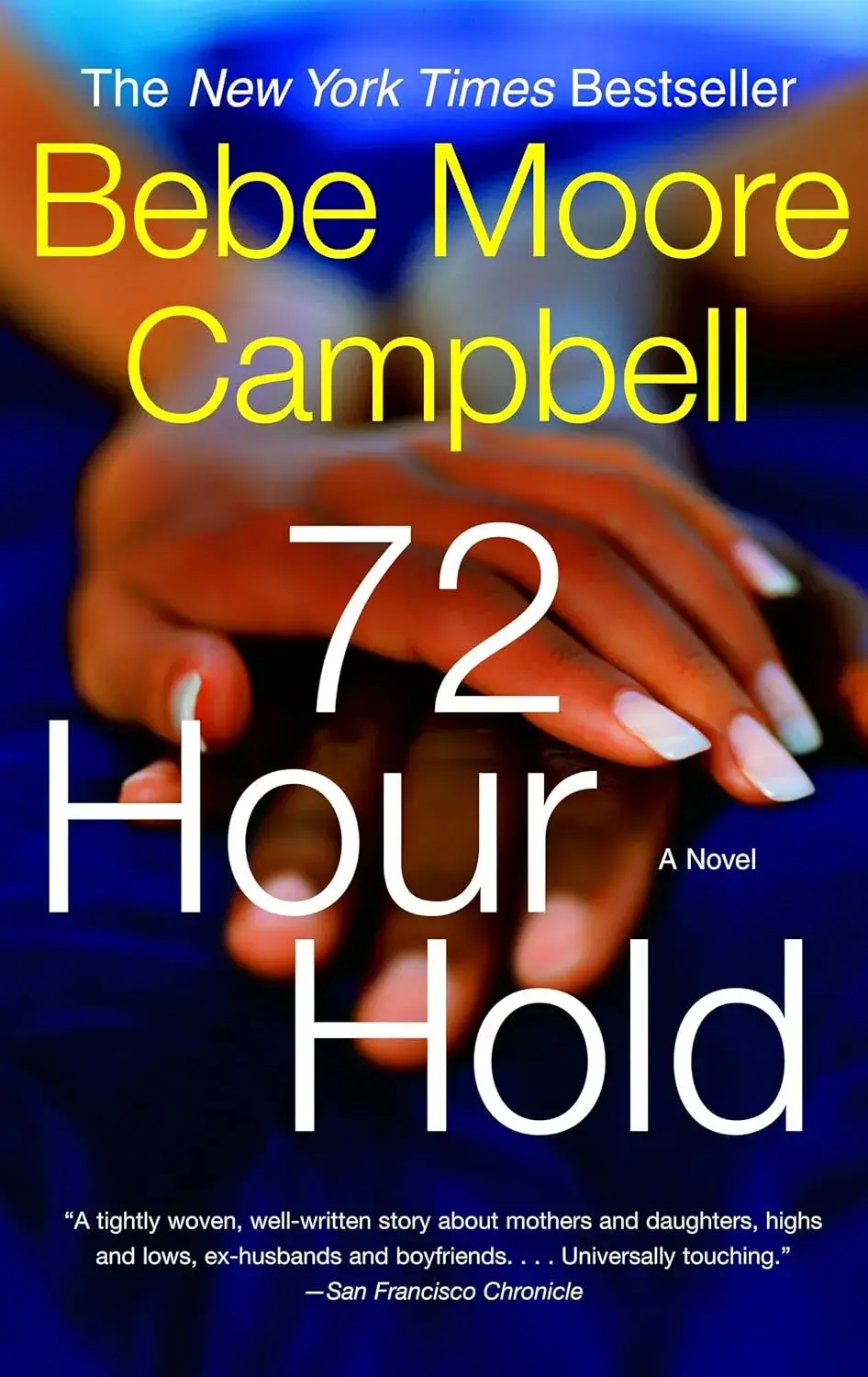
3. Keri Whitmore from ‘72 Hour Hold‘
One of the reasons I found this book intriguing enough to commit to reading cover to cover was that I immediately recognized where the title was taken from. In many parts of the U.S., certainly in California where this novel takes place, a “72-hour hold” refers to the three-day period in which a hospital can keep a person with a mental disorder if they show signs of crisis such as posing a danger to oneself or others. This language was significant to me because I wrote a book called “Alert and Oriented x3”, which is a term used by psychiatric staff to assess whether the patient is in tune with reality.
The novel follows a young woman named Keri who has just turned 18. As we get to know her, warning signs of impending disaster appear: from her inability to get out of bed while her mother works out to her voice changing into something akin to an 8-year-old version of herself. As the story progresses, troubles compound, and the author gives much insight into bipolar disorder and how it manifests itself. Keri’s illness progresses as she displays more severe symptoms, often reaching their peak not just with mood swings, but all too often with the devastating effects of psychosis.
Psychosis is basically a disconnect from reality that often comes with delusional thinking, hallucinations and paranoid thoughts. Psychosis is a reminder that illnesses like schizophrenia and bipolar disorder can at times seem almost interchangeable, and at other times even be combined in a patient.
One of the main themes of the story is that while Keri’s mother does all she can to help, she must keep relying on 72-hour holds. However, most psychiatric patients and staff will agree is just too little time to get a person stable on medications and help them in any significant way. At one point in the novel, Keri’s mother becomes so frustrated with the mental health system failing to help her daughter that she kidnaps Keri while she is under a treatment order, risking very serious legal action.
As a person with a mental illness who has heard and read many illness and recovery stories, there are some themes in this novel. Still, I like to return to it simply because I love how the author expresses herself. I feel emotionally invested in the characters.
Keri herself shows inspiring growth and self-awareness in the face of one of the most devastating realities of the human condition. I define reality as how we all have a precarious hold on sanity at one time or another, and there are those of us, who if left untreated, could suffer for their entire lives. Humor, displays of unconditional love and individual growth are deftly accomplished.
A Note for Those Dealing With Bipolar Disorder
Bipolar disorder is something that nipped at my heels since I was in my early teens. One of the most important aspects of bipolar disorder is, at least in the early stages, it is very hard to understand what is happening. There is little education about bipolar disorder that reaches those most susceptible to it before they begin to experience the devastating symptoms.
Imagine simply waking up one day as an ordinary teenager and feeling down. So down the world seems bleak and dull, and as the days go by you lose interest in hobbies, school, sports and relationships. As you are dragged down by this unannounced invasion of depression, your parents grow concerned but have little knowledge of what to do. Your moods may stay low for some time, or you may just go back to normal, then something triggers a manic episode. This could be your first experience with alcohol or cannabis, or it might be caused by coffee and late nights studying.
It is estimated that people with bipolar disorder are 30 times more at risk of suicide than someone who doesn’t have a mental illness. There is a way to lower these statistics, though. Open and honest communication, consulting with your family doctor, getting a referral to a psychiatrist and increasing your knowledge of mental illness by reading and attending lectures and support groups.
Across North America, there are clinics in almost any major urban center that specialize in reaching out to young people before their condition gets so serious they are removed from school, lose their job or kicked out of their parent’s house and experience homelessness. It all begins with knowledge and awareness. I don’t regret my past with two years of hospitalizations and trying many medications. My illnesses are well managed currently, but I still deal each day and hour with many disabling and downright embarrassing side effects.
I do know if I had learned about mental health when I was in middle school and accepted that I needed treatment, my life could have taken a different path. Early psychosis intervention clinics can be an impactful way of stopping illnesses like bipolar with psychosis. The only sad part is that the longer a person goes untreated, the more often they go off medication, the less positive their treatment and future outcomes will be. It’s important for people with bipolar disorder to lean on their support systems, seek treatment and be patient with themselves. Often, reading about characters with bipolar disorder in literature we love can pave the way for personal acceptance and successful long-term treatment.
More About the Author of This Piece: Leif Gregersen is an author, teacher, public speaker and active blogger, writing about his life journey through mental illness and recovery. You can find him on his Substack and contact him via leif.n.gregersen@gmail.com.

Get recommendations on hidden gems from emerging authors, as well as lesser-known titles from literary legends.