TLDR
Authors with mental illness have depicted challenges in their work throughout history. From modernists like Virginia Woolf to poets such as Emily Dickinson, the writers listed here have created masterpieces that resonates with readers today.
Throughout history, countless people have suffered from mental illness, but it’s only in modern years that we’ve begun to seriously diagnose and treat these illnesses. Today, one in five adults in the United States lives with mental illness, according to The National Institute of Mental Health.
However, mental illness has been around long before we were ever keeping track. Many of our great historical figures — including artists, writers, politicians and others — have suffered.
We’ve put together a list of 10 famous authors who suffered from mental illness and whose mental illness affected their work. Some of these writers sought treatment and were failed by the medical community of the time. Others simply lived with their illness, with no treatment options available. Our list aims to show readers that even the most well-renowned artists can suffer from depression, anxiety, bipolar disorder and more. We hope that readers can connect with and more deeply understand these authors’ works.
10 Famous Authors With Mental Illness
1. Virginia Woolf
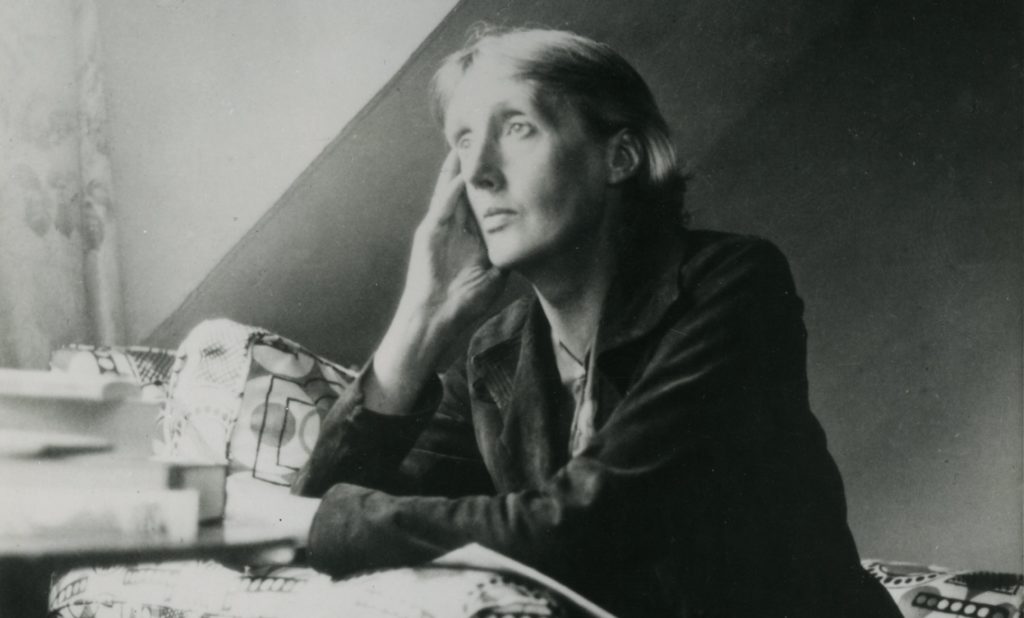
Virginia Woolf is remembered as one of the prominent writers of the modernist era. She was a pioneer of stream of consciousness narration and had a strong influence on feminist theory at the time. Authors like Toni Morrison, Margaret Atwood, Michael Cunningham, and Gabriel García Márquez have all said that Woolf influenced their work.
While Woolf was an influential writer, popular even in her time, she also suffered from mental illness. In Hermione Lee’s biography of Woolf, Lee describes the author’s struggles with mental health from a young age. Throughout her life, Woolf had been institutionalized and put on bed rest for what her doctors described as a “nervous disorder.”
Unfortunately, during Woolf’s time, mental health was not as widely understood as it is today. Many of the treatments could be seen as exacerbating the issue.
For instance, in 1910, Woolf was sent to the English countryside to undergo the “rest cure.” In theory, rest is of course beneficial to one’s mental health, but the “rest cure” involved partial isolation, force-feeding and time away from reading and writing.
For someone with depression, this approach would only make the problem worse. So Woolf, of course, did not benefit from the treatment. Three years later she attempted suicide by overdose and nearly died.
In the years that followed, Woolf continued to suffer from bouts of depression. Some scholars today theorize that she likely suffered from bipolar disorder. Woolf left behind years of diaries describing her physical and mental symptoms that lasted until the end of her life, and writing was her only solace.
Today, we can see the ways that mental illness plays a role in her works through books like “Mrs. Dalloway” and “The Waves,” where the characters suffer from depression, suicidal thoughts, PTSD and more. In 1941 Woolf drowned herself in the River Ouse by placing a large stone in her pocket and walking into the fast-flowing river.
Suggested Reads:
Editorial Note: Read our full review of “Mrs. Dalloway” here.
2. Sylvia Plath
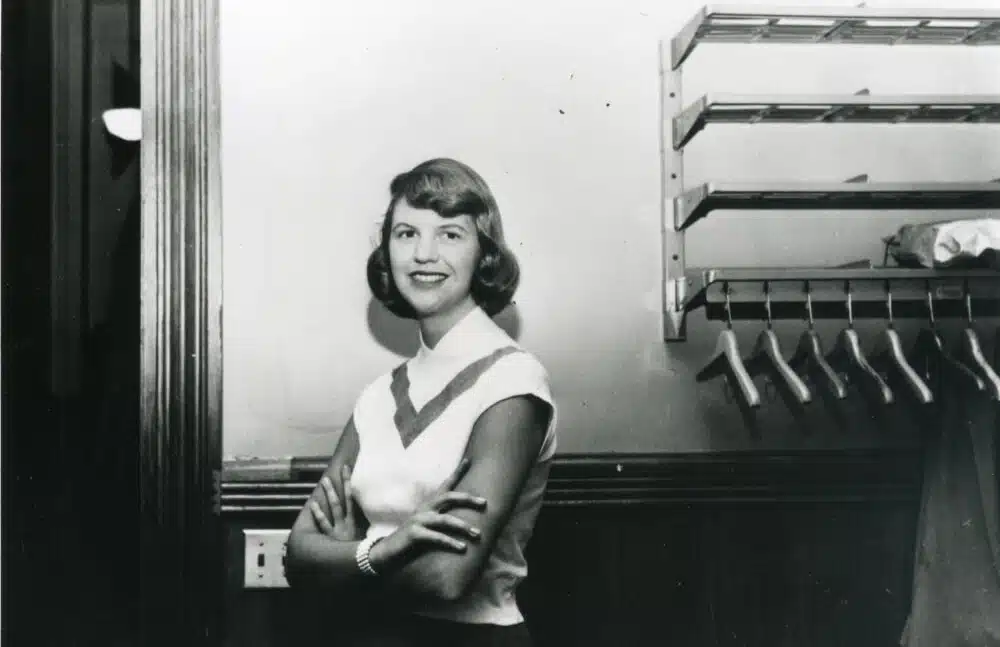
It would be remiss to write a list of authors with mental illness without including Sylvia Plath. Plath was a poet and author best known for “The Bell Jar,” “Ariel” and “The Colossus and Other Poems.” In 1982 Plath received a posthumous Pulitzer Prize in poetry for “The Collected Poems,” which was published almost 20 years after her death.
Plath’s writing is filled with references to her mental illness, as she suffered from clinical depression for most of her adult life. Signs of her depression became evident in her college years when she first underwent electroconvulsive therapy (ECT). Some readers believe Plath had bipolar disorder. During that time Plath also made her first known, or medically documented, sucicide attempt by taking her mother’s sleeping pills and crawling under her front porch.
After that first suicide attempt, she spent six months in a mental health facility, receiving more ECT before returning to college. However, she continued to suffer from depression, writing about her mental health in her journals and her poetry, as well as her autobiographical novel, “The Bell Jar.” Plath attempted suicide two more times toward the end of her life. She was then prescribed antidepressants, only to finally end her life a few days later.
Plath’s mental health conditions played a large role in her writing. To this day, she is known for both her writing and her mental health issues.
Suggested Reads
Editorial Note: Read our full review of “The Bell Jar” here.
3. Ernest Hemingway
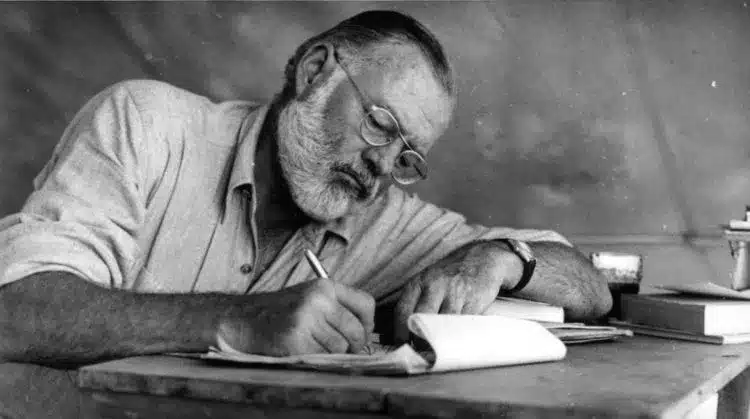
Editorial Note: Image Credit to Nieman Foundation for Journalism at Harvard
Ernest Hemingway was a 20th-century writer known for his economical writing style. He wrote seven novels, six short-story collections, and two non-fiction books, and he won the Nobel Prize in Literature in 1954. His impact on literature has been profound, and he’s best known for books like “The Old Man and the Sea,” “For Whom the Bell Tolls,” “A Farewell to Arms” and “The Sun Also Rises.”
However, like many authors before him, Hemingway also suffered from mental illness. He’s known to have suffered from clinical depression for most of his adult life and struggled with alcoholism. When Hemingway was 29, his father died by suicide, and Hemingway fictionalized his father’s story in “For Whom the Bell Tolls.”
Hemingway also enjoyed hunting. He told his friend, actress Ava Gardner, “I spend a hell of a lot of time killing animals and fish so I won’t kill myself.”
In December 1960, one year before his death, Hemingway was admitted to the Mayo Clinic using a fake name. He spent two months there and told people he was being treated for hypertension. In reality it was for severe clinical depression. Like Plath, he underwent ECT.
Unfortunately Hemingway, too, succumbed to his mental illness. Like his father, he died by suicide in 1961. Today, according to PBS, Hemingway suffered from severe depression, paranoid delusions and bipolar disorder exacerbated by alcoholism.
Suggested Reads
4. F. Scott Fitzgerald
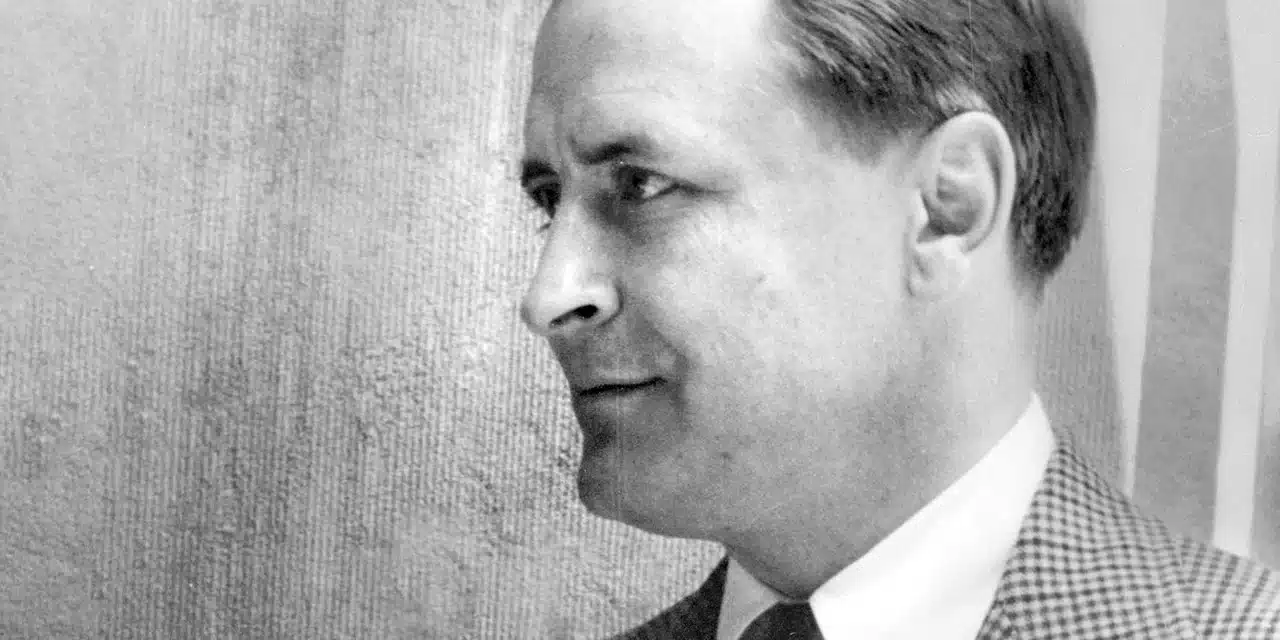
Editorial Note: Image Credit to City Journal
F. Scott Fitzgerald was a 20th century American novelist, essayist and short story writer. He is best known for “The Great Gatsby,” a novel set in the Jazz Age during Prohibition-era America. Since Fitzgerald’s death, there have been countless adaptations of “The Great Gatsby,” including plays, movies, TV shows, modern retellings and more. His literary style continues to influence writers today.
Fitzgerald struggled with his mental health. Like his friend and fellow author, Hemingway, Fitzgerald dealt with severe alcoholism. He was hospitalized eight times between 1933 and 1937 and spent many a night in jail, all due to his alcohol abuse. Fitzgerald even wrote about his struggles with alcoholism in Esquire magazine, and the article negatively affected his career. Fitzgerald eventually died of a heart attack at age 44, which many attribute to his alcohol abuse.
While he was only moderately successful in his lifetime, his works and legacy live on. Today he is considered one of the most well-known authors of all time.
Suggested Reads
5. Zelda Fitzgerald
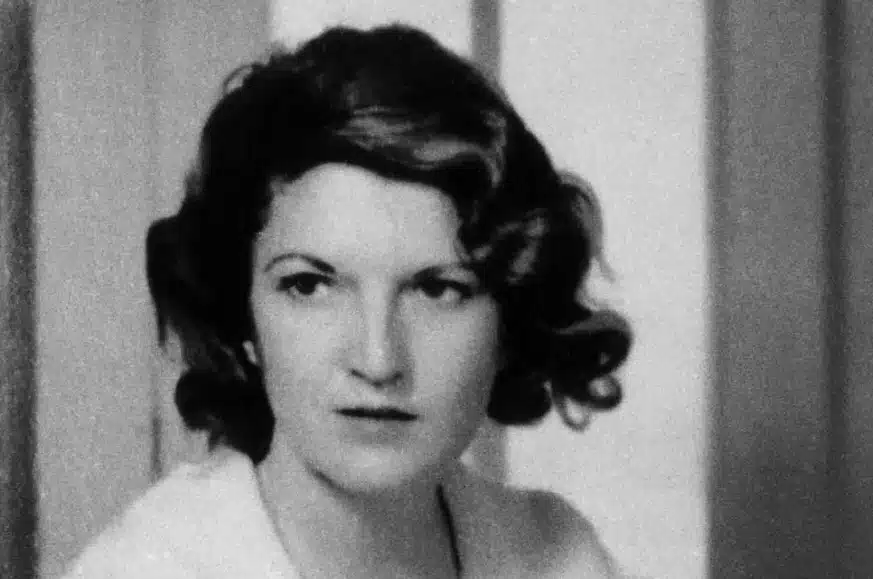
Editorial Note: Image Credit to The New Yorker
Zelda Fitzgerald, the wife of F. Scott Fitzgerald, was also a novelist, and she suffered from even more severe mental illness than her husband. Because of F. Scott’s success, he and Zelda were often in the public eye partying incessantly. The national press called her the first American flapper.
Eventually, though, she was diagnosed with schizophrenia and was institutionalized at Johns Hopkins Hospital. Today many believe she was misdiagnosed and that she actually had bipolar disorder.
While under psychiatric care, she wrote her novel “Save Me the Waltz,” which is a semi-autobiographical story of her early life and marriage to F. Scott. The book received negative reviews, and Zelda moved onto other artistic pursuits. Eventually, F. Scott had her transferred to another mental institution, Highland Hospital, which she was in and out of for nine years. She eventually died in a fire that broke out at Highland in 1948.
Suggested Reads
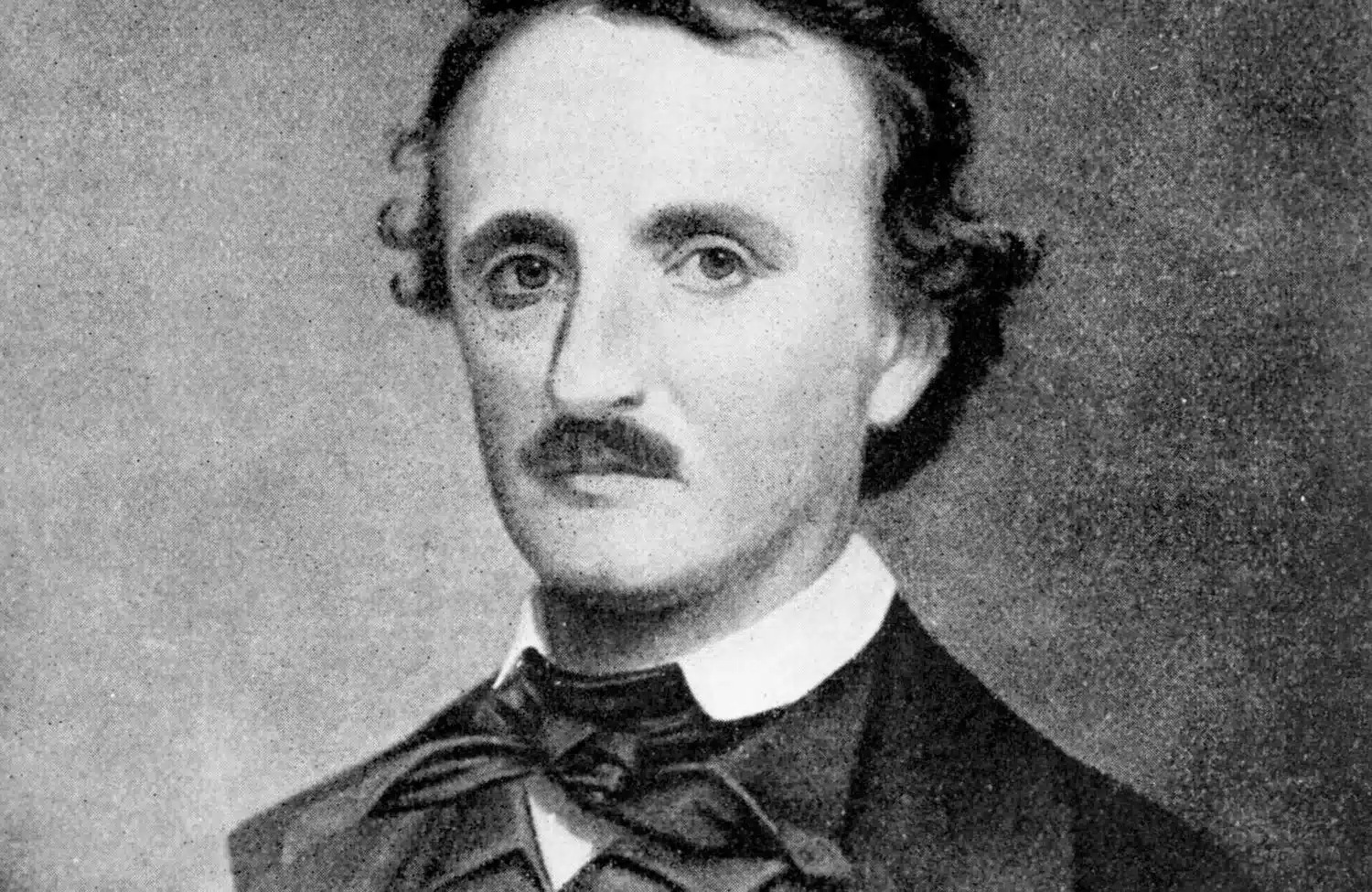
6. Edgar Allen Poe
Editorial Note: Image Credit to Atlas Obscura
Edgar Allen Poe was a late 1800s writer known for his gothic short stories and poems. His most famous works include “The Raven,” “The Tell-Tale Heart” and “The Fall of the House of Usher.”
Again, though, like many writers, Poe suffered from mental illness, exacerbated by alcoholism. He began drinking heavily in college, eventually gaining a reputation for his drinking. When he drank, others often said he was delirious, sometimes suffering from hallucinations. There’s some speculation today as to what caused this delirium — whether it was absinthe, opium dissolved in alcohol or mercury-laden medication.
Poe once wrote in a letter to his friend, “I have absolutely no pleasure in the stimulants in which I so madly indulge. It has not been in the pursuit of pleasure that I have periled life and reputation and reason. It has been the desperate attempt to escape from torturing memories.”
Throughout his life, Poe lived through the death of many loved ones. That sense of despair appears in his work. His alcoholism was likely the way he coped with the grief and depression. In many of his letters, too, he expressed suicidal thoughts, indicating a number of depressive episodes over the course of his life.
Today, Edgar Allen Poe is a household name, and he has inspired writers like H.P. Lovecraft and others. His works have been adapted into movies and TV, and he continues to live on through his writing.
Suggested Reads
7. Charlotte Perkins Gilman
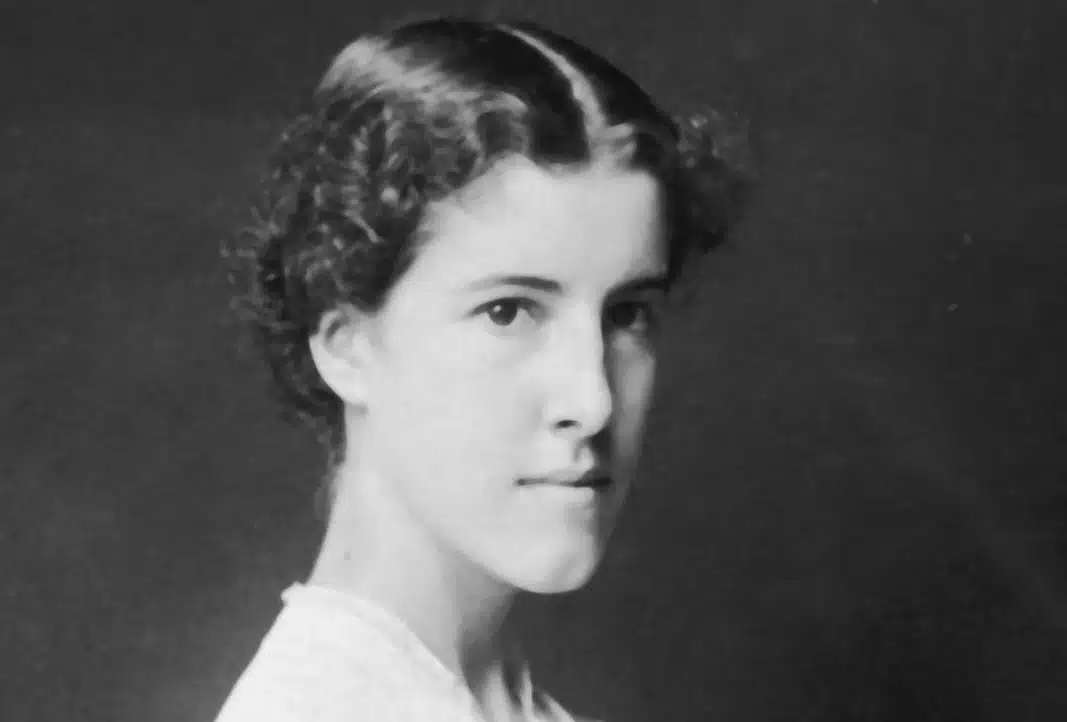
Editorial Note: Image Credit to ThoughtCo
Charlotte Perkins Gilman was a 19th-20th century writer whose works primarily focused on gender and feminism. She is most widely remembered for her semi-autobiographical short story, “The Yellow Wallpaper,” which follows a young woman’s descent into madness.
Perkins wrote “The Yellow Wallpaper” in 1890 after experiencing severe postpartum depression herself. Like Virginia Woolf, she was prescribed the “rest cure” treatment. After listening to her doctor’s advice, Gilman’s depression only got worse. According to her husband’s diaries, she began to display suicidal behavior.
“The Yellow Wallpaper” represents Gilman’s own personal experience with depression and the rest cure. In the short story, the narrator goes through a similar treatment plan, and this leads to her mental breakdown. “The Yellow Wallpaper” continues to be widely read and has been anthologized in many collections over the years. To this day, it is Feminist Press’s best-selling book of all time.
Suggested Reads
Editorial Note: Read our full review of “The Yellow Wallpaper” here.
8. Franz Kafka
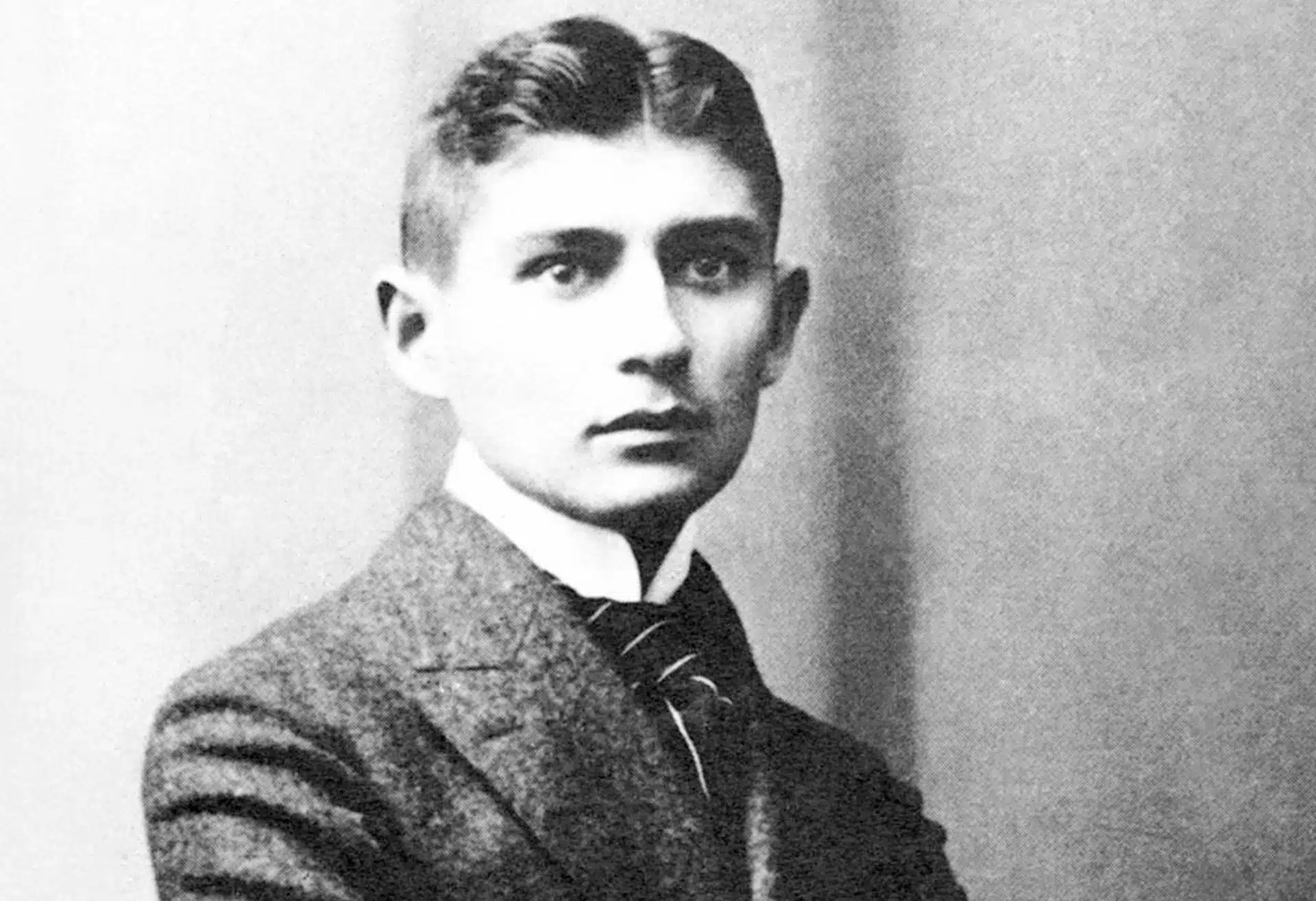
Editorial Note: Image Credit to Deutschland.de
Franz Kafka was a major figure in 20th century literature known for works such as “The Metamorphosis,” “The Castle” and “The Trial,” among others. But he is also speculated to have suffered from mental illness. As a young adult, he often experienced insomnia and anxiety, along with physical symptoms like headaches. He talked about his hypochondria, as well as his “neurosis” and eventually began taking trips for “rest and convalescence.” Often he would visit spas with the intent of treating what he believed was physical weakness and exhaustion. Some even speculate that Kafka had borderline personality disorder.
Kafka’s mental illness affected his writing, yet it’s also possible his writing habits exacerbated this mental illness. Kafka often had trouble sleeping at night. He could only write in a quiet environment, so he found it easier to write at night and instead would nap in the afternoon. Because of these inverted sleep habits, his insomnia only got worse, and he suffered from chronic sleep deprivation, leading to fatigue and hallucinations.
Some even hypothesize that Kafka’s insomnia led to him having borderline personality disorder. Scholars argue that Kafka’s mental illness is evident in his writing, which can be seen to have “low-to-medium level schizoid traits.”
Suggested Reads
9. Leo Tolstoy
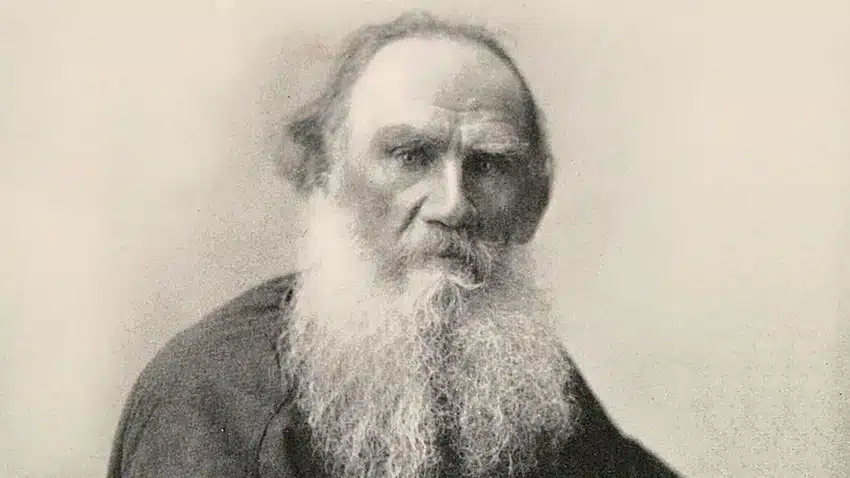
Leo Tolstoy was another highly influential 20th century author who suffered from mental health issues. The Russian author is best known for novels like “War and Peace,” as well as “Anna Karenina.” Tolstoy was even nominated for the Nobel Prize in Literature every year from 1902 to 1906, and he was nominated for the general Nobel Peace Prize in 1901,1902 and 1909, though he never won either award.
Despite his successes, Tolstoy battled depression, which he writes about in his memoir, “A Confession.” In the memoir, he talks about having an outwardly good life, with a “good wife” and “good children.” But, on the inside, he said, “I felt that something had broken within me on which my life had always rested, that I had nothing left to hold on to, and that morally my life had stopped.”
He goes on to describe his struggles with suicidal ideation, saying an “invincible force impelled me to get rid of my existence, in one way or another.” To prevent himself from acting on those thoughts, he stopped going shooting, and he hid away any items like ropes that would tempt him to end his own life. This thread of depression runs rampant in Tolstoy’s work. Many scholars have studied how it impacted his work and how his work changed and developed over time as he grew to understand his own depression.
Suggested Reads
10. Emily Dickinson
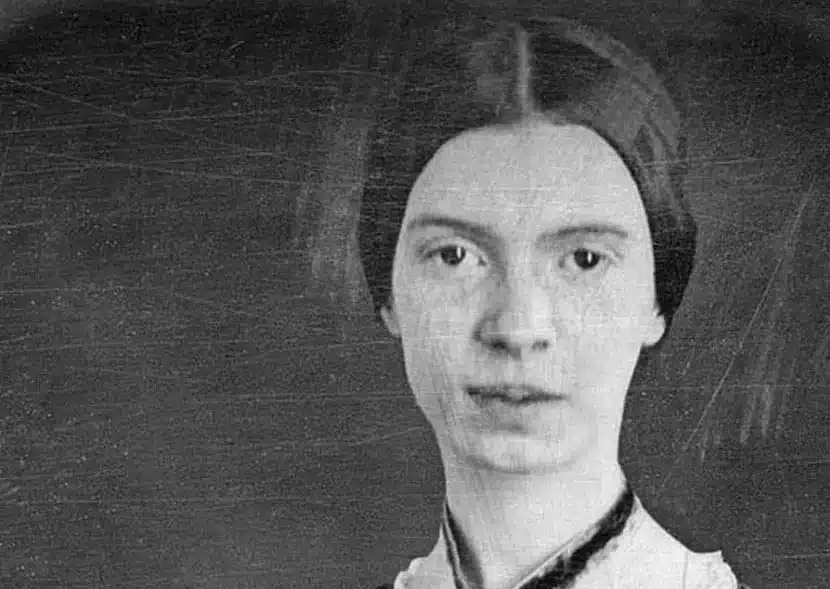
Emily Dickinson was an American poet in the mid- to late-1800s. In her time, she was not well known. Now, she is highly regarded as one of the great American poets. Today many modern scholars look back at Dickinson’s life and believe that she also suffered from mental illness.
Dickinson’s poetry offers glimpses of depression. Her reclusive lifestyle further reaffirms these ideas. Dickinson’s self-isolation began in her mid 20s. She avoided social situations and friends. She would describe fleeing from the doorbell, or only allowing select visitors from behind a darkened door.
Some speculate that she suffered from bipolar disorder, major depression and seasonal affective disorder, but she lived during a time when mental illness was not fully understood. One researcher even diagnoses Dickinson with schizotypal personality disorder, not to be confused with schizophrenia. Someone with schizotypy might show “a pattern of social withdrawal,” as well as behaviors that don’t fit in with cultural norms, among other symptoms.
Dickinson’s poetry remains renowned, and many of her poems have been published posthumously in a number of collections.
Suggested Reads
Any Other Big Names We Should Recognize?
The people we’ve listed here are only a starting point. We’d love to make the list more diverse. There are other classic and modern authors who experienced mental illness in their personal lives and explored the subject in their work. Please comment below with your favorite authors and why you’d like to see them highlighted in our article. We will add as many names as we reasonably can.