TLDR
Fady Joudah is a Palestinian poet and doctor who has written many poetry books, including "[...]" and "Tethered to Stars."
It is hard to find the meticulous writing of someone like Fady Joudah, who is both a physician and poet. Born in Austin, Texas and raised in Libya and Saudi Arabia until the age of nineteen, Joudah has spent much of his life writing about Palestine, family, identity, displacement, love, grief and suffering through the lens of a poet and doctor. Joudah’s upbringing has had a great influence on his writing, as he demonstrates an appreciation of Arabic and Arab literature. His work often feels like a close examination of Arabic and English, at the line level, while also telling a story. He has had a transformative influence on how emotions and stories are accessed, how poetry is a vehicle of experience and memory.
In an interview with Pádraig Ó Tuama for Poets & Writers, Inc., Joudah noted that he had a fascination with the way that “poetry makes music in the mind” as a young child. He particularly wanted to know how poetry survives and outlasts time. With this, his curiosity about poetry was born.
An Early Career In Medicine Informs and Inspires Joudah’s Poetry
Before Joudah entered the literary world as an adult, he was an undergraduate student at the University of Georgia and a medical student at the Medical College of Georgia. He completed his residency at the University of Texas. He worked with Doctors Without Borders in 2002 and in Zambia and Sudan in 2005. In many of his interviews, Joudah references his medical background not as a way to draw a narrative but as another lens to look at suffering.
As a son of two Palestinian parents, Joudah translated important works that helped readers access Arabic poetry. In 2006, Joudah published the translation of Mahmoud Darwish’s “The Butterfly’s Burden.” The next year in 2007, Louise Glück selected his collection “The Earth in the Attic” for the Yale Series of Younger Poets Prize. This collection probes the themes of identity, religion and war, and the way in which we share emotions of love, grief and compassion, no matter where or who we are.
Joudah’s literary life continued into the translation of “If I Were Another” by Mahmoud Darwish – which won the PEN USA Literary Award in 2010 — and the translation of Ghassan Zaqtan’s “Like a Straw Bird It Follows Me.” Both Darwish and Zaqtan’s poetry hold similar themes of love, grief, displacement, written in stories and sharp, witty writing.
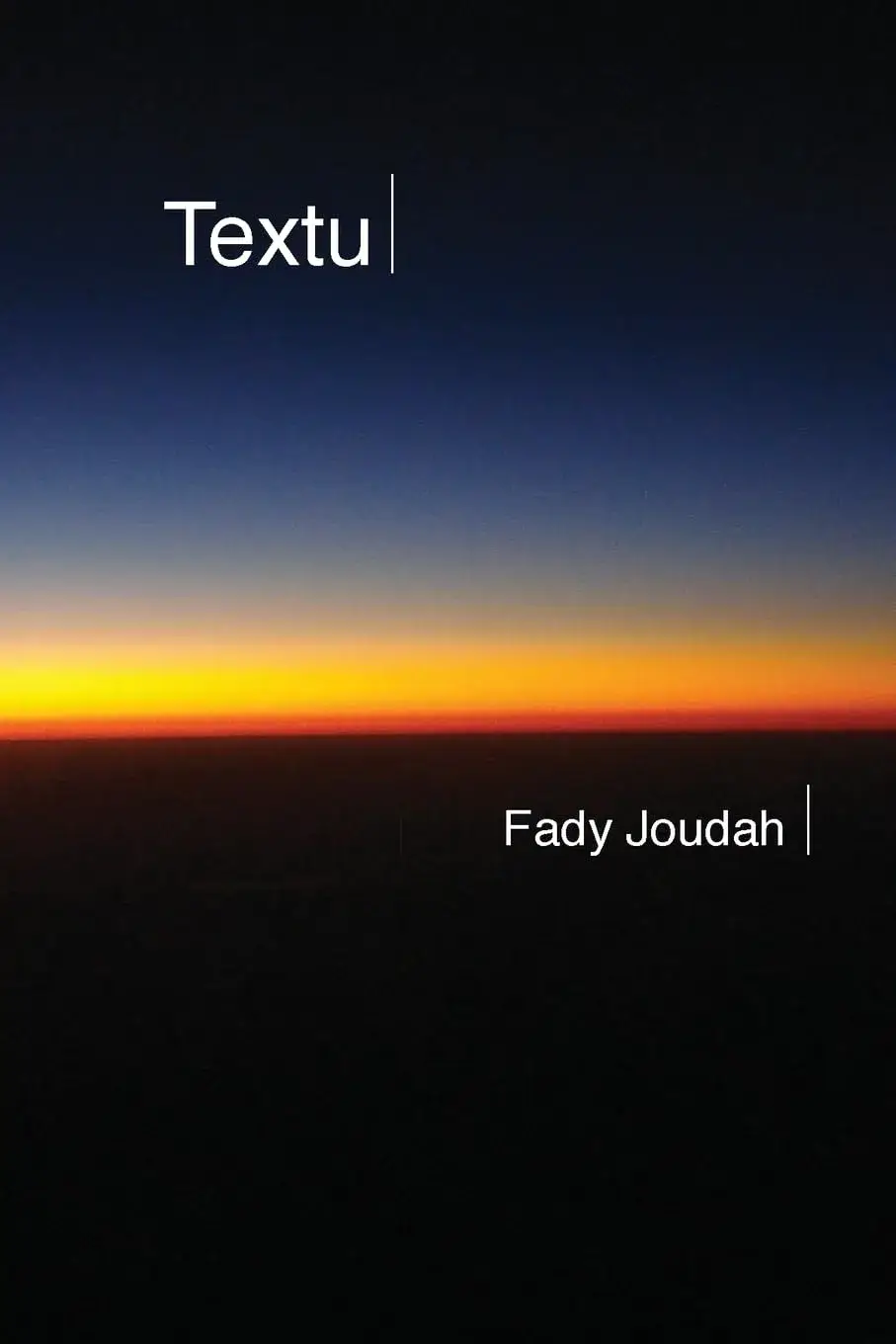
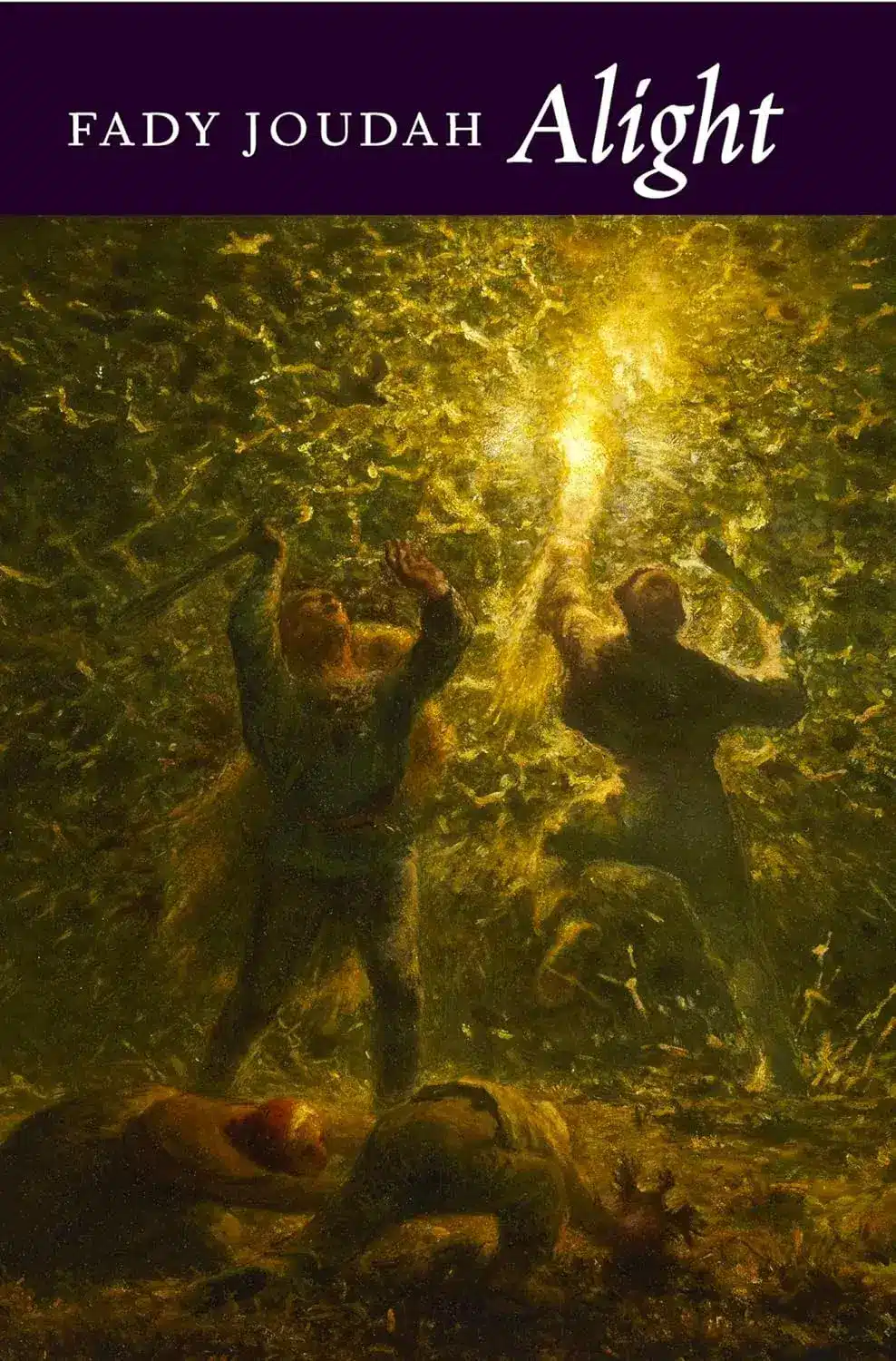
In 2013 Joudah published his collections “Alight” and “Textu” with Copper Canyons Press. His work has been highly praised so much that he was named Guggenheim Fellow in Poetry in 2014. His recent collection “[…]” writes poetry into silence, was a finalist for the National Book Award for Poetry, and awarded the Jackson Poetry Prize.
Editorial Note: Read our full review of “[…]” here.
Joudah’s award list goes on, but one of his most prized efforts is the Etel Adnan Poetry Prize, where he is co-editor and co-founder.
In an interview with Aria Aber for the Yale Review, Joudah notes: “All that remains of old poetry is the music of what it means to be human. And perhaps that’s all we want from poetry. A language of life.”
Notable Themes in Joudah’s Work
Medicine & Poetry
In an interview with The Kenyon Review, Joudah mentions that his curiosity for poetry came before medicine. However, both roles require him to look at suffering at different angles. For a doctor, patients come with their difficulties, hoping for guidance or a solution. In a similar way, readers come to poetry for hope. Joudah reports that he’s grappled with suffering and the role he’s partaken in it. He says: “All I can say about that experience is that the horror of this hierarchy of suffering in which we live our daily lives rarely leaves me.”
Translation of Arab Poets
Joudah’s diligent translations of poets like Mahmoud Darwish and Ghassan Zaqtan’s works has allowed English readers to delve into Arabic poetry.
Creative Forms
Fady Joudah’s “Textu” received recognition for its unique form of having exactly 160 characters.
He also typed out all the poems in short spurts, on his phone. Joudah also speaks in depth of the ways Mahmoud Darwish’s poetry changed over time, transitioning to longer and more prose-like format at the end of his life (see Darwish’s poem “At the Station of the Train Which Fell of the Map“). Throughout Joudah’s career, he’s been particularly interested in how poetry can change over time.
Books by Fady Joudah
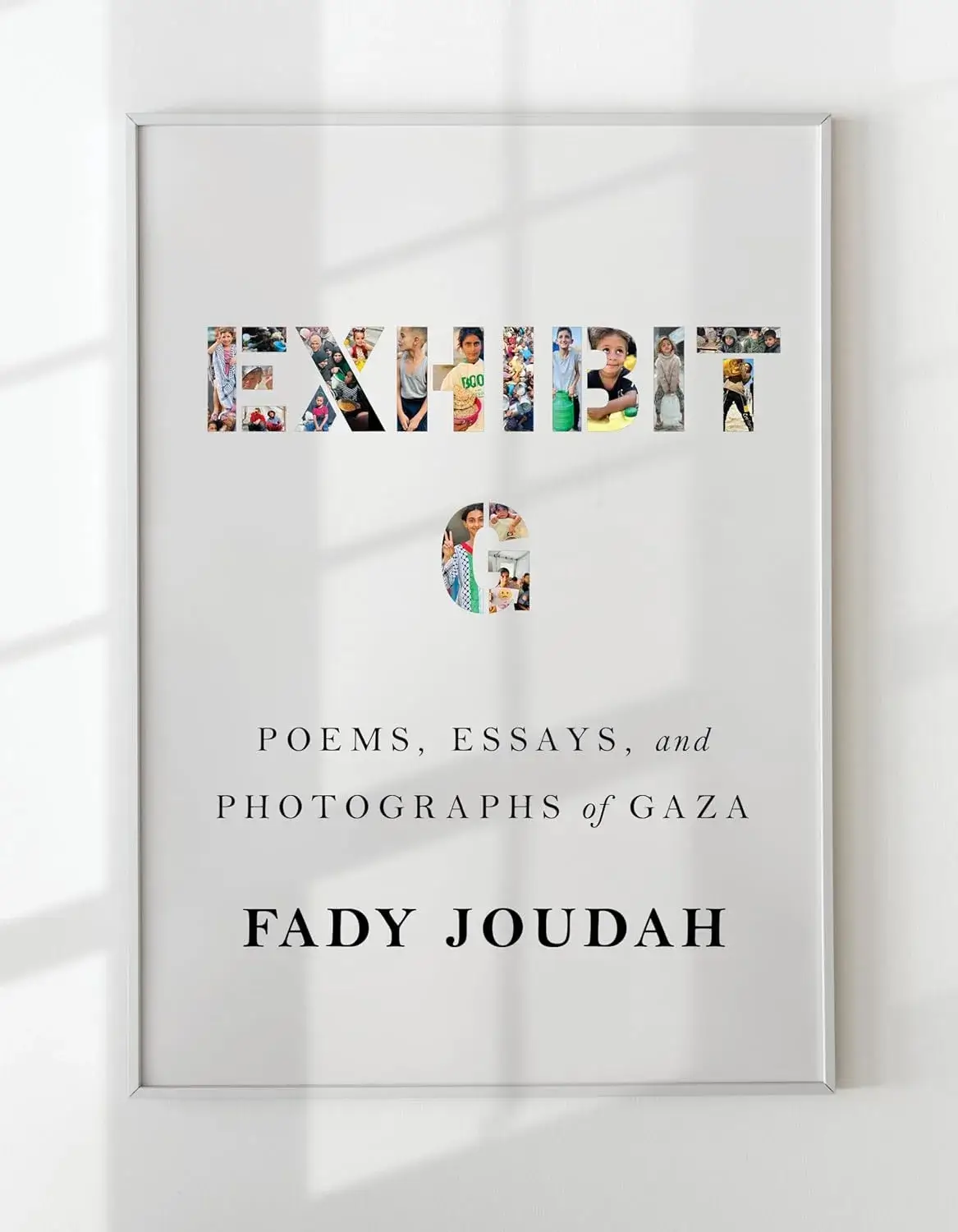
Launching in September but available for pre-order now, “Exhibit G” is a collection of poems, essays and photographs about Gaza. The poems will likely have themes similar to his previous poetry book (listed below). To our knowledge, this book is the first where Joudah ventures outside of poetry. We’re excited to see how he combines these mediums.
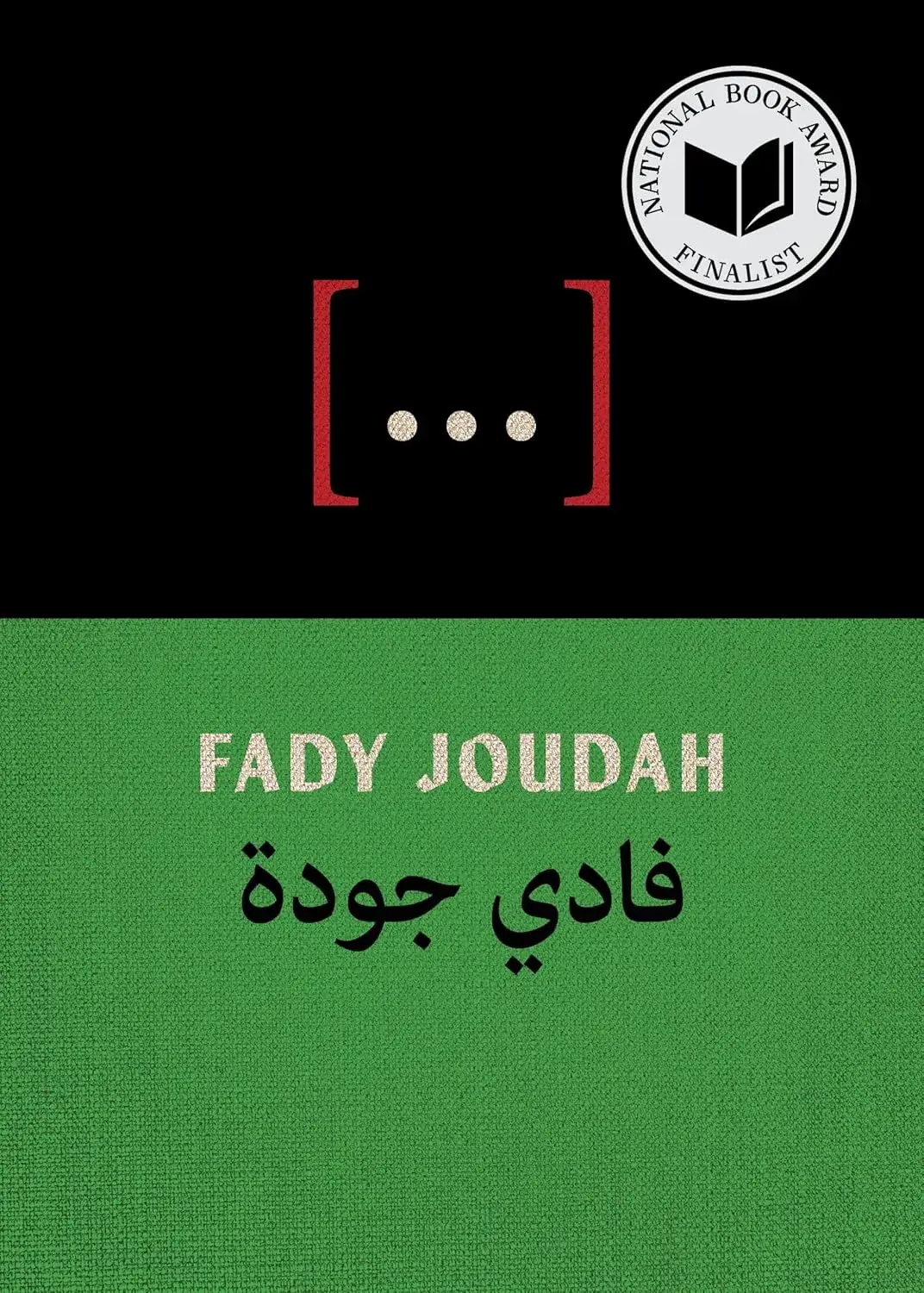
A formally daring and politically urgent collection written partly during the Gaza bombardments of late 2023. The book confronts erasure, Palestinian presence and moral responsibility. The collection has been described by critics as urgent, devastating and essential reading. Joudah received several awards for “[…]” including:
- Finalist, 2024 National Book Award for Poetry
- Shortlisted for the Forward Prize (UK)
- Widely included on 2024 “Best Books” lists
Reviews
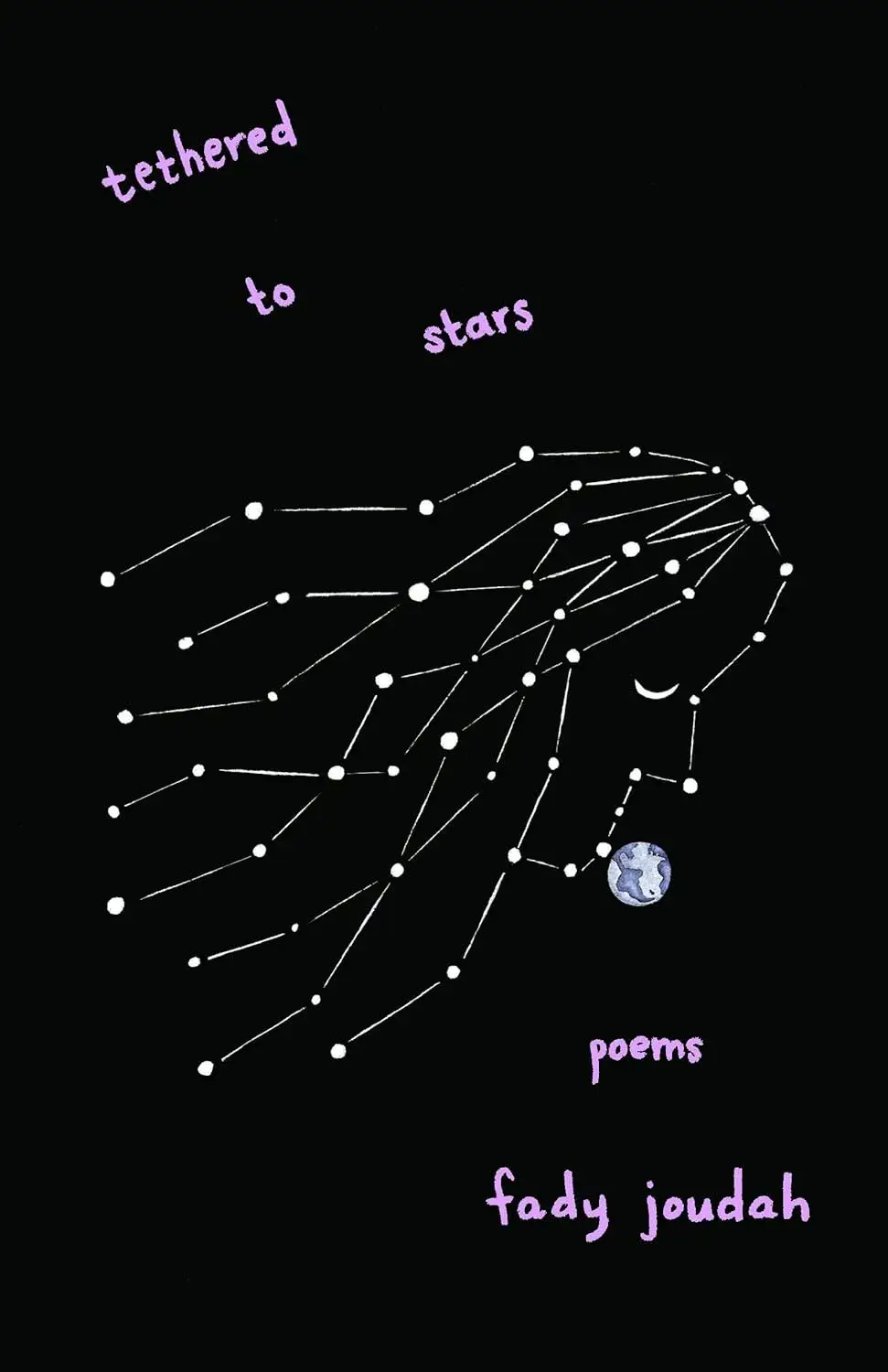
Written largely during the COVID-19 pandemic, these poems move between domestic life and cosmic reflection, exploring attention, grief and survival. It was named a Library Journal Best Poetry Book of 2021.
Reviews
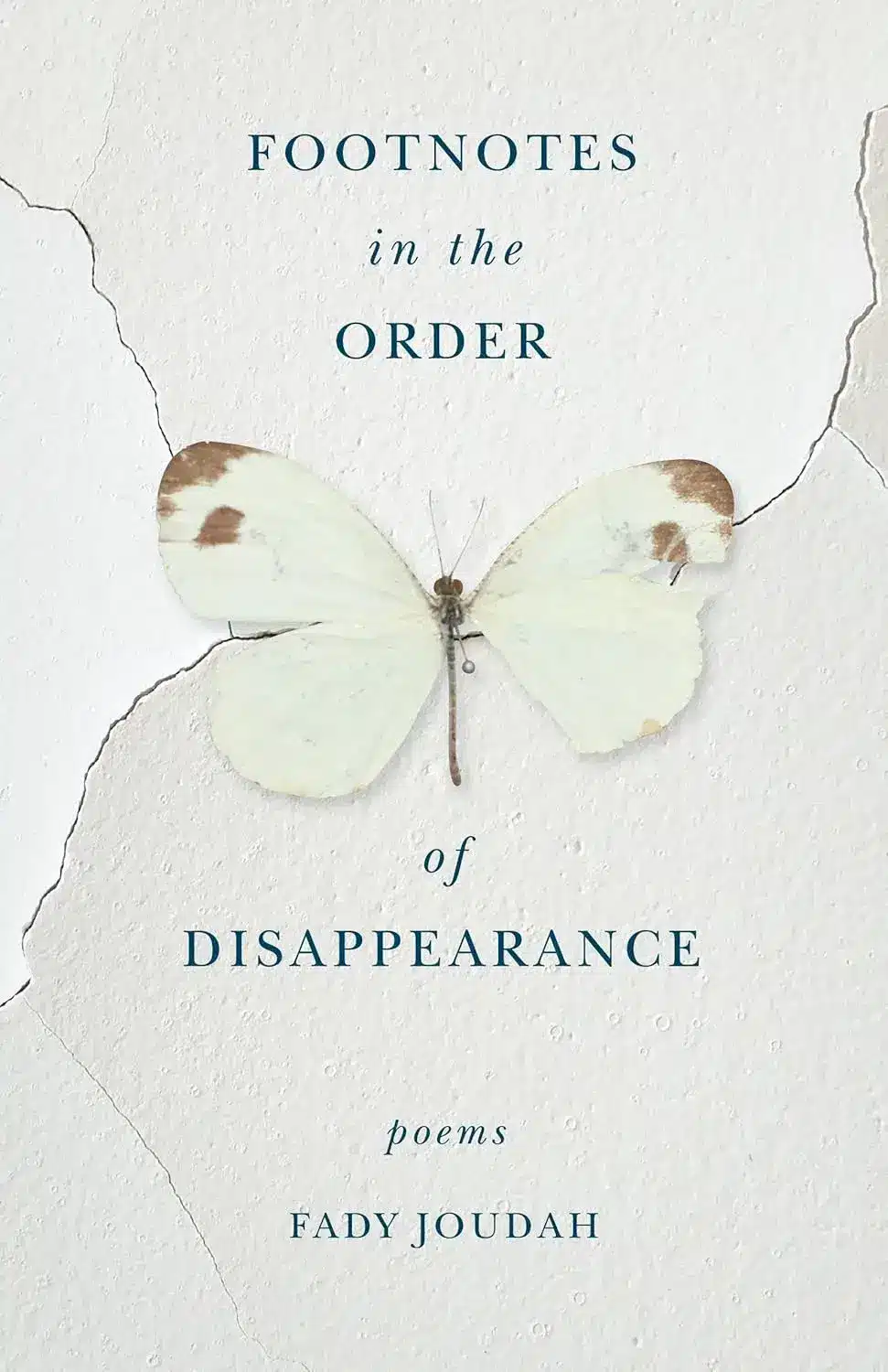
This politically- and emotionally-charged collection examines disappearance, love and witness, often through medical and documentary metaphors. World Literature Today reviewed the collection, saying “Joudah writes with a fever that implicates the reader in acts of witness.”
Reviews
Reviews
Reviews
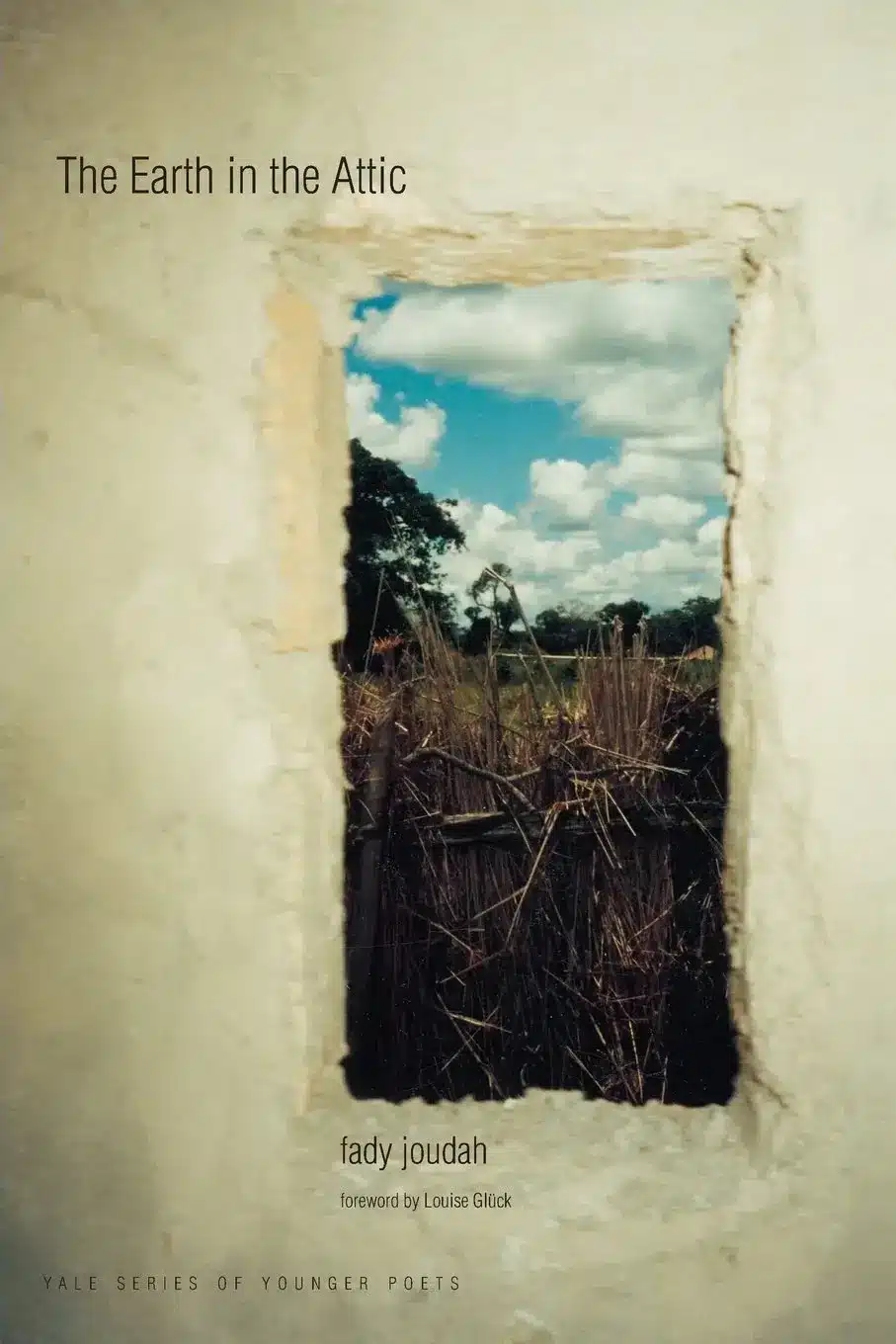
Joudah’s debut collection explores exile, medicine, family and political violence with lyrical restraint. The collection was selected by Louise Glück for the Yale Younger Poets Prize and was well-received, with The Guardian calling it, “An original and moving first collection, marked by urgency and clarity.”
Reviews
Palestine is a Central Focus in Joudah’s Work
Palestine is a central focus of Joudah’s work. “There’s a particular kind of freedom for Palestinians in Arabic,” he says, in an interview with Makdisi Street. Joudah’s 60 family members were murdered in the recent genocide against Palestinians in 2023-2024. He wrote “A Palestinian Meditation in a Time of Annihilation” for LitHub in November 2023, reflecting on those murdered, ghosts, and the roads that got us here. He writes: “Israel and the United States erase even Palestinian ghosts from existence.”
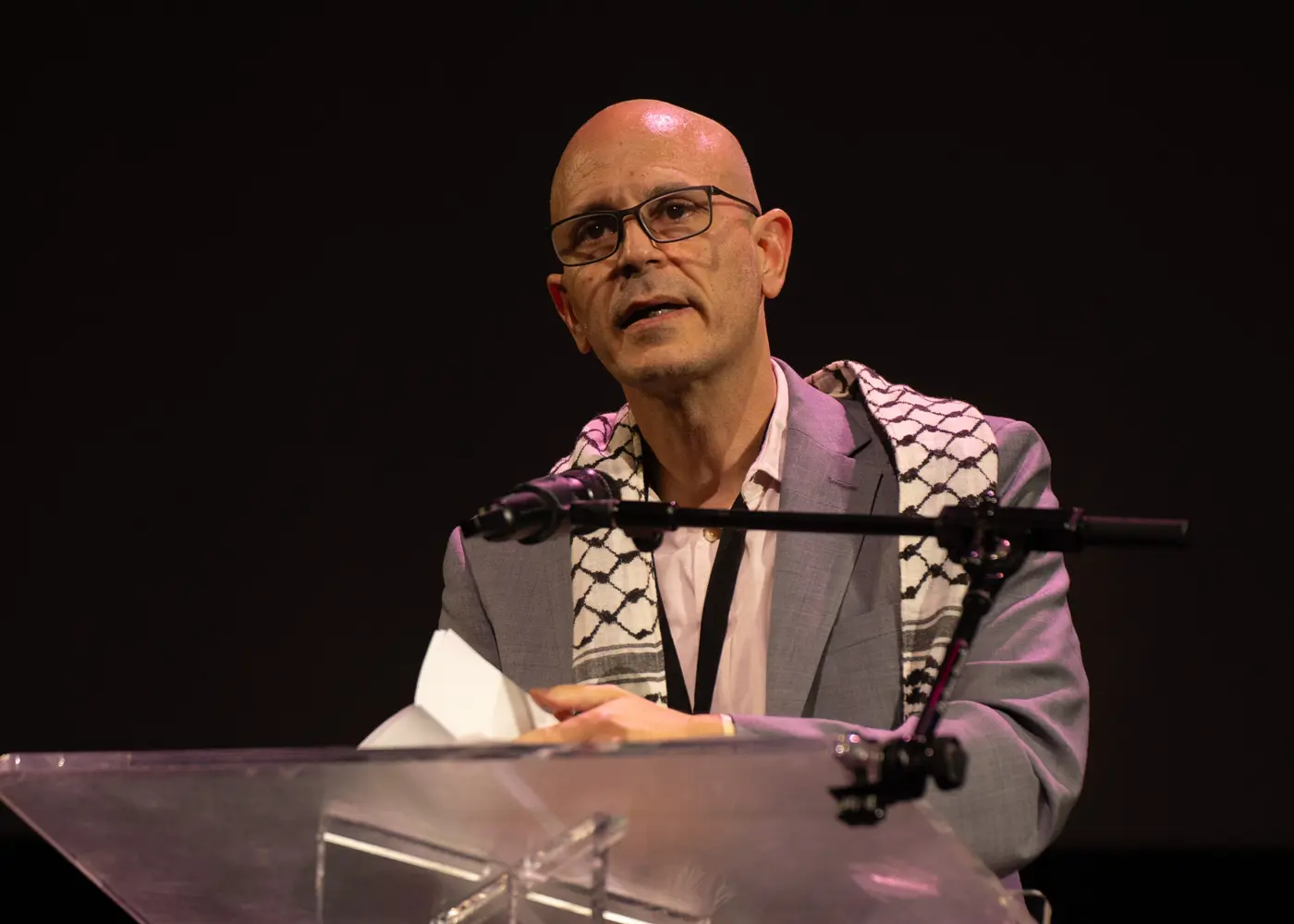
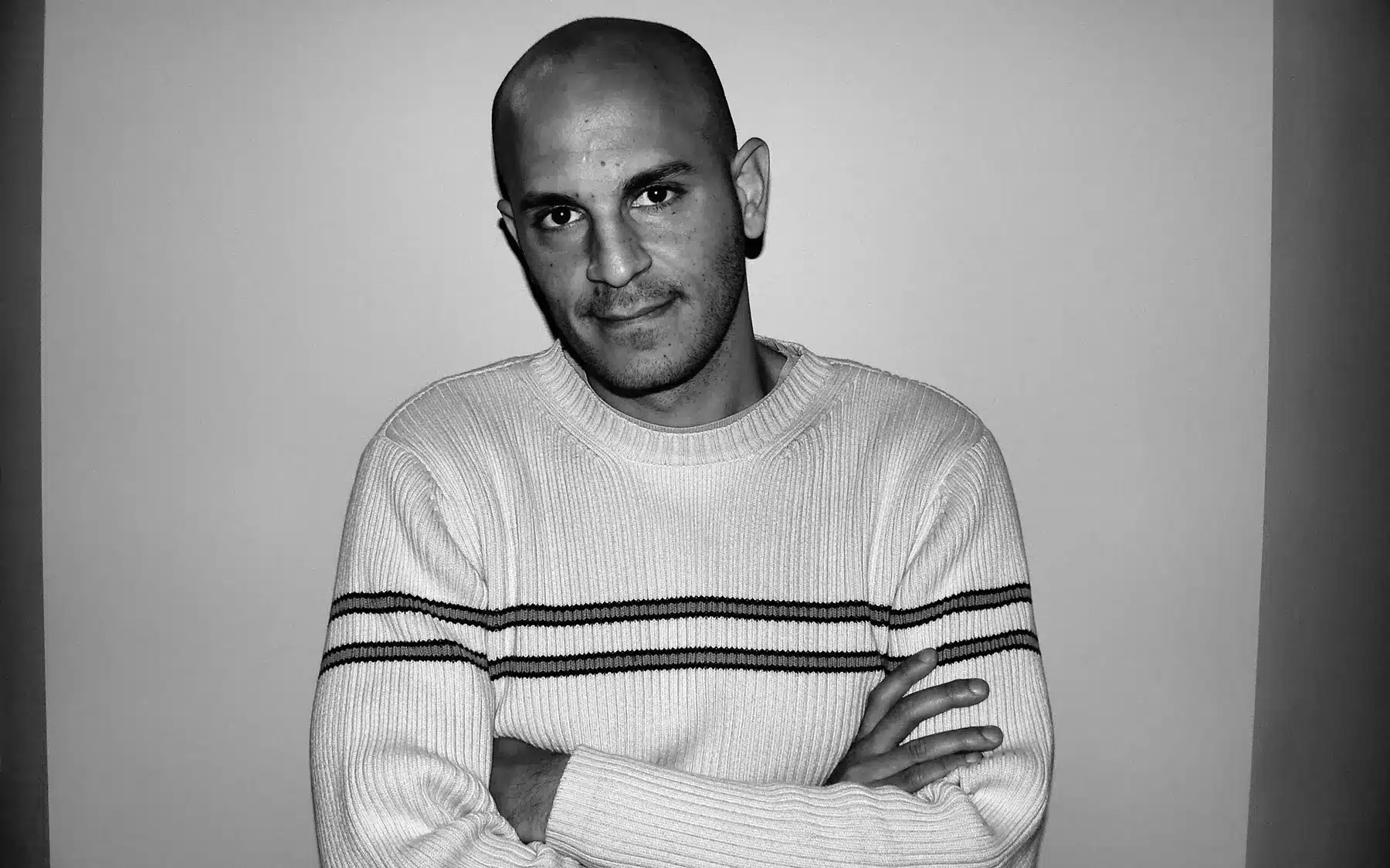
Photo by Jay Dixit
Joudah is in favor of a one-state solution, according to a panel he attended at the Jaipur Literature Festival. However Joudah reported that the priority issue is one the panel itself represents–that Palestinian voices are often reduced to a vote. He said, “My Palestinian voice, for example, is reduced to an opinion poll.” He reasoned that the conversation is always about a language of power.
Fady Joudah’s Awards
2007 — Yale Series of Younger Poets Prize
Awarded for his debut poetry collection “The Earth in the Attic,” selected by Louise Glück. One of the most prestigious prizes for emerging American poets.
2008 — Saif Ghobash–Banipal Prize for Arabic Literary Translation
Awarded for his English translation of Mahmoud Darwish’s “The Butterfly’s Burden.” The prize recognizes excellence in translating contemporary Arabic literature into English.
2010 — PEN USA Literary Award for Translation
Awarded for his translation of Mahmoud Darwish’s “If I Were Another.” Honors outstanding literary translation published in the United States.
2013 — Griffin Poetry Prize (International)
Awarded for his translation of Ghassan Zaqtan’s “Like a Straw Bird It Follows Me.” One of the world’s most significant poetry prizes, recognizing excellence in international poetry and translation.
2014 — Guggenheim Fellowship (Poetry)
Awarded by the John Simon Guggenheim Memorial Foundation in recognition of exceptional creative ability in poetry.
2014 — Arab American Book Award (Poetry, Honorable Mention)
Recognized for “Alight.” The award honors literary contributions by Arab American writers.
2024 — Jackson Poetry Prize
Awarded by Poets & Writers to an American poet of exceptional talent for a sustained and influential body of work. Includes a $100,000 prize.
2024 — National Book Award for Poetry (Longlist / Recognition)
His poetry collection […] (Milkweed Editions, 2024) received National Book Award recognition, reflecting major national attention to the work.
2024 — Forward Prize for Best Collection (Shortlist / Recognition)
The same 2024 collection was also shortlisted for the Forward Prize, highlighting its international impact.
Quotes
“Language dies when it is no longer able or willing to decode the petrified, the coded. Language dies when it is too certain of itself. Language dies when totalitarian thinking convinces us that it is not totalitarian thought, because we are eternally incapable of totalitarian thought. Language dies when the memory that speaks it rots.”
– Interview with Boston50Review
“I often think that the responsibility of the poet is to strive to become the memory that people may possess in the future about what it means to be human: an ever-changing constant.”
– Interview with The Yale Review
“There is no art without life.”
– Interview with The New Inquiry
Author Socials
Fady Joudah does not have a single website where all his work can be found. His work and interviews can be found across a few notable organizations and literary magazines including but not limited to: The Kenyon Review, Milkweed Editions, Copper Canyon Press, The Poetry Foundation, Academy of American Poets. Some praised interviews include an interview with On Being.
Similar Authors
- George Abraham: Palestinian-American poet, author of “Birthright.” Executive Editor of Mizna.
- Lena Khalaf Tuffaha: Poet, essayist and translator. Author of three books of poetry.
- Hala Alyan: Poet, novelist, and clinical psychologist. Author of five books of poetry.
- Mohammed El-Kurd: Palestinian poet, writer, and journalist. Author of highly-praised poetry collection Rifqa.
- Mahmoud Darwish: Palestinian poet of over thirty books of poetry.
- Naomi Shihab Nye: Palestinian-American poet and writer of countless books and collections. She is also a children’s writer.
- Philip Metres: American writer and scholar. Author of Fugitive/Refuge.
- Mosab Abu Toha: Palestinian poet and librarian from Gaza. Author of “Things You May Find Hidden in My Ear: Poems from Gaza.”

Get recommendations on hidden gems from emerging authors, as well as lesser-known titles from literary legends.