TLDR
Sylvia Plath was a pioneer in confessional poetry, a novelist and a short story writer. In her personal life, she struggled with mental illness, career anxiety, grief over her father's death and an unfaithful husband.
“Let me live, love, and say it well in good sentences.” – Sylvia Plath
Sylvia Plath (1932-1963) was an American poet and writer best known for her use of confessional poetry, and who studied under Robert Lowell at Boston University in 1959. Other notable poets within her milieu included Anne Sexton and George Starbuck. She also kept a large volume of journals that were published after her death, as well as correspondence to her mother over a 12-year period.
Plath only published one poetry collection during her lifetime, “The Colossus” in 1960, together with her single novel, “The Bell Jar,” appearing in 1963, published by William Heinemann Ltd under the pseudonym of Victoria Lucas. Plath’s “Collected Poems,” containing the poetry written between 1956 and her death, were published posthumously in 1981, going on to win the Pulitzer Prize for poetry in 1982.
Her standout poetry collection, “Ariel,” was published in 1965 by UK publishing house, Faber and Faber, appearing a year later in 1966 in the U.S. The title poem became a feminist anthem, written as it was in Plath’s 30th and final year, as she struggled with the breakdown of her marriage and a recurrence of the depression she had suffered at the age of 20.
Plath’s work varied between poems around the natural world. She had a particular affinity for the sea, having spent much of her early childhood with her grandparents at Point Shirley. She also specialized in critiques around women, marriage and gender roles. The emotional depth of her poetry is explored through such poems as “Daddy,” based on the loss of her father as a young girl, although some critics have more recently suggested it represents her conflicting relationship with her mother, Aurelia. She also wrote searing confessional poetry around the bodies and lives of women, such as “Lady Lazarus,” and “The Applicant,” which critique marriage, gender roles, and the objectification of women.
She was deeply concerned about the entrapment of marriage and the societal expectations placed on women. This theme was very much taken into her semi-autobiographical novel, “The Bell Jar,” which also explored the mental breakdown she suffered at the age of 20. In the novel, Plath’s narrator Esther Greenwood, a cipher for Plath herself, begins to unravel following a sweltering summer spent in New York working on the college edition of Mademoiselle magazine. Plath revealed her concerns around the McCarthy era communist witch hunts and the execution of the Rosenbergs through the opening of the novel.
In February of 1962, Plath died by suicide at her home in London, where she had taken her two young children to live following the separation from her poet husband, Ted Hughes.
Though Plath died as second-wave feminism emerged, her work became an anthem for the Women’s Movement. She has remained one of the most revered American female poets, particularly within the feminist community.
Sylvia Plath Biography: Her Challenging Road to Becoming One of the 20th Century’s Finest Poets
Born in Boston, Massachusetts in 1932 to Otto and Aurelia Plath, Sylvia was the first of the couple’s two children, her younger brother Warren arriving three years later. Initially residing at 24 Prince Street, Jamaica Plain, the family relocated in 1936 to 92 Johnson Avenue, Winthrop, close to her maternal grandparents. The young Plath often spent time with her ‘Grampy’ on the seashore. It was here that the budding poet found herself drawn to the natural elements that would go on to have such an impact on her work.
Plath showed an early aptitude for reading and writing, as relayed by her mother, Aurelia, in the introduction to “Letters Home,” the published correspondence she kept with her daughter throughout her life. Plath attended school early at four years of age, completing her first poems at the age of just five, with her first publishing success being at the age of eight with a poem appearing in the Boston Herald.
The most significant point of Plath’s young life came at the age of eight years old when her father, a professor and critically acclaimed academic author, died of an embolus in his lung following a leg amputation due to diabetes. Aurelia Plath was forced to return to work full time to support the young family. The Plaths moved to 26 Elmwood Road, Wellesley, Massachusetts in 1942 to live closer to her work. She sacrificed much to ensure that her two young children had all that they needed and particularly encouraged her daughter’s academic pursuits, something that appears to have been difficult for Plath to live up to. Wavering between an undying love for the mother whom she recognized as sacrificing all for her children, and the resentment that was to later appear in much of her poetry, she also struggled with the need to constantly perform well in school.
Plath studied at Smith College on a part-scholarship, with writer-mentor Olive Higgins Prouty and Plath’s mother helping to cover the fees. There she edited The Smith Review and became guest editor at Mademoiselle magazine in 1953.
After returning home for the summer break in 1953 and realizing she had not been selected for a prestigious summer writing course, Plath suffered a mental breakdown resulting in a suicide attempt. On the 24th of August, she took sleeping pills and climbed into a crawl space beneath the family home. She was later discovered by her brother, Warren, and entered McLean Hospital close to Boston. It was here that she met the radical young psychiatrist, Dr. Ruth Barnhouse (later Beuscher), who was to become a lifelong mentor to the young Plath.
After missing the autumn term, Plath eventually returned to Smith following her release from McLean, and later studied at Newnham College, Cambridge in the UK reading English, where she attended on a Fulbright scholarship. It was at Cambridge that she met a promising young poet named Ted Hughes, later marrying at the Church of St. George the Martyr, Queen Square, London in 1956.
After honeymooning in France and Spain, the couple moved to a flat at 55 Eltisley Avenue, Cambridge. Later they returned to the U.S. to spend a summer on Cape Cod. Then they moved to an apartment in Northampton, Massachusetts, where Plath worked as an instructor of English at Smith between 1957-58.
Beginning to work on her poetry in earnest, however, led Plath to leave teaching and focus on her writing, moving to Boston and working part-time as a secretary at the Massachusetts general hospital’s adult psychiatric clinic. This experience likely inspired Plath’s short story “Johnny Panic and the Bible of Dreams.” Plath later worked part-time for the chairman of Sanskrit and Indian studies at Harvard University, as well as auditing Robert Lowell’s poetry-writing course at Boston University. She continued her ongoing therapy with Dr. Ruth Beuscher throughout this time.
Whilst a guest along with her husband at a Saratoga Springs artist’s colony in 1959, Plath discovered she was pregnant with her first child, Frieda. It was at this colony that she constructed much of the poetry that was to feature in her first collection, “The Colossus.”
In December 1959, Plath and Hughes moved back to the UK to live at 3 Chalcot Square, Primrose Hill, London, where daughter Frieda was born in 1960. This year also saw the publication of “The Colossus.”
Despite Plath’s worries about becoming a wife and mother — expounded in depth in both her journals, letters and novel — she excelled at both, running the family home at Court Green, North Tawton, Devon, where Ted and Sylvia relocated in 1961 with Frieda. Their second child, Nicholas, was born soon after.
The Devon home, whilst more remote and quiet than Plath was used to, infused her poetry with the natural world. It was here that she also developed an interest in bee keeping, something she shared with her late father. This hobby also influenced a cluster of poems that later appeared in the “Ariel” collection.
Sadly the depression that had plagued her youth returned following the revelation of Hughes’ relationship with Assia Wevill in the autumn of 1962. Taking the children to live in a flat at 23 Fitzroy Road, London, Plath’s creative output initially emerged stronger than ever. She produced at least twenty-six of the poems for the “Ariel” collection during this time, which was to be published posthumously.
Plath died by suicide on February 11, 1963 at home, inhaling gas from the kitchen oven, whilst her two children were asleep in their room. Her publishing legacy, however, remains strong among readers and academics alike.
The Books of Sylvia Plath
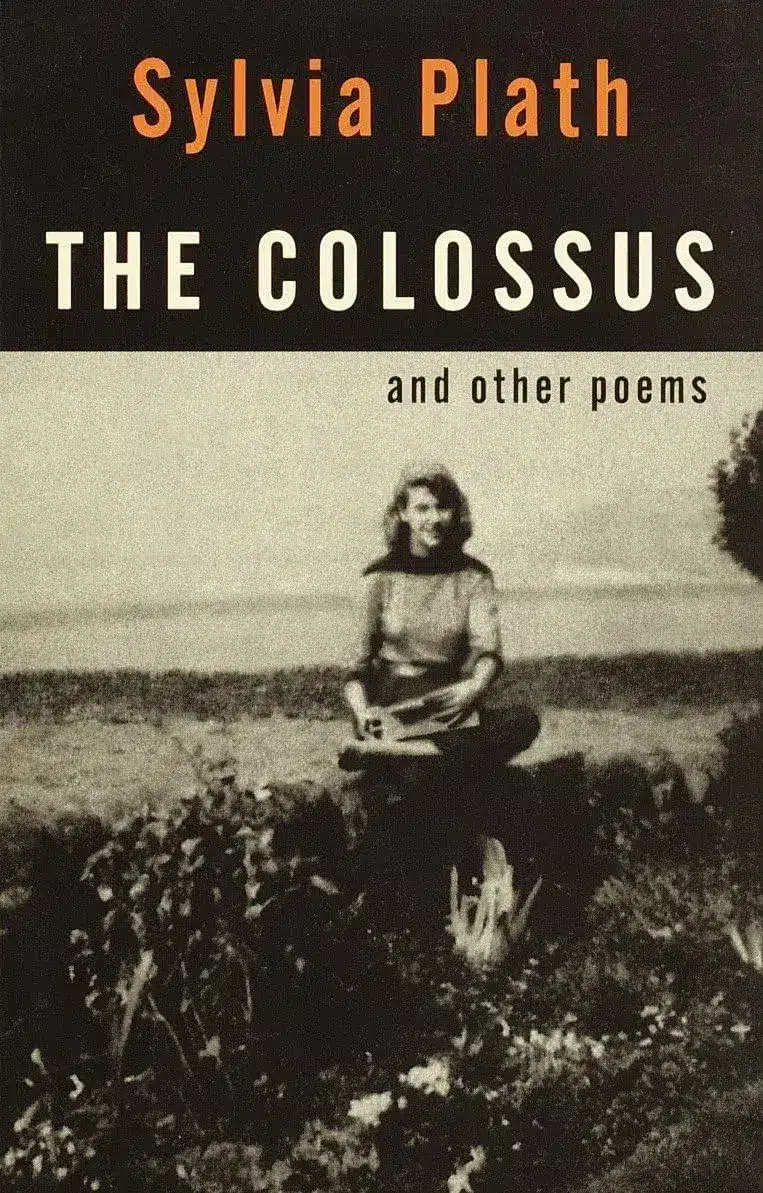
As Plath’s debut collection of poetry and the only one published during her lifetime, it features poems such as “The Disquieting Muses” and “The Colossus.” The critical reception for Plath’s debut collection was generally positive, with critics praising her technical ability and the intensity of her vivid imagery.
Reviews
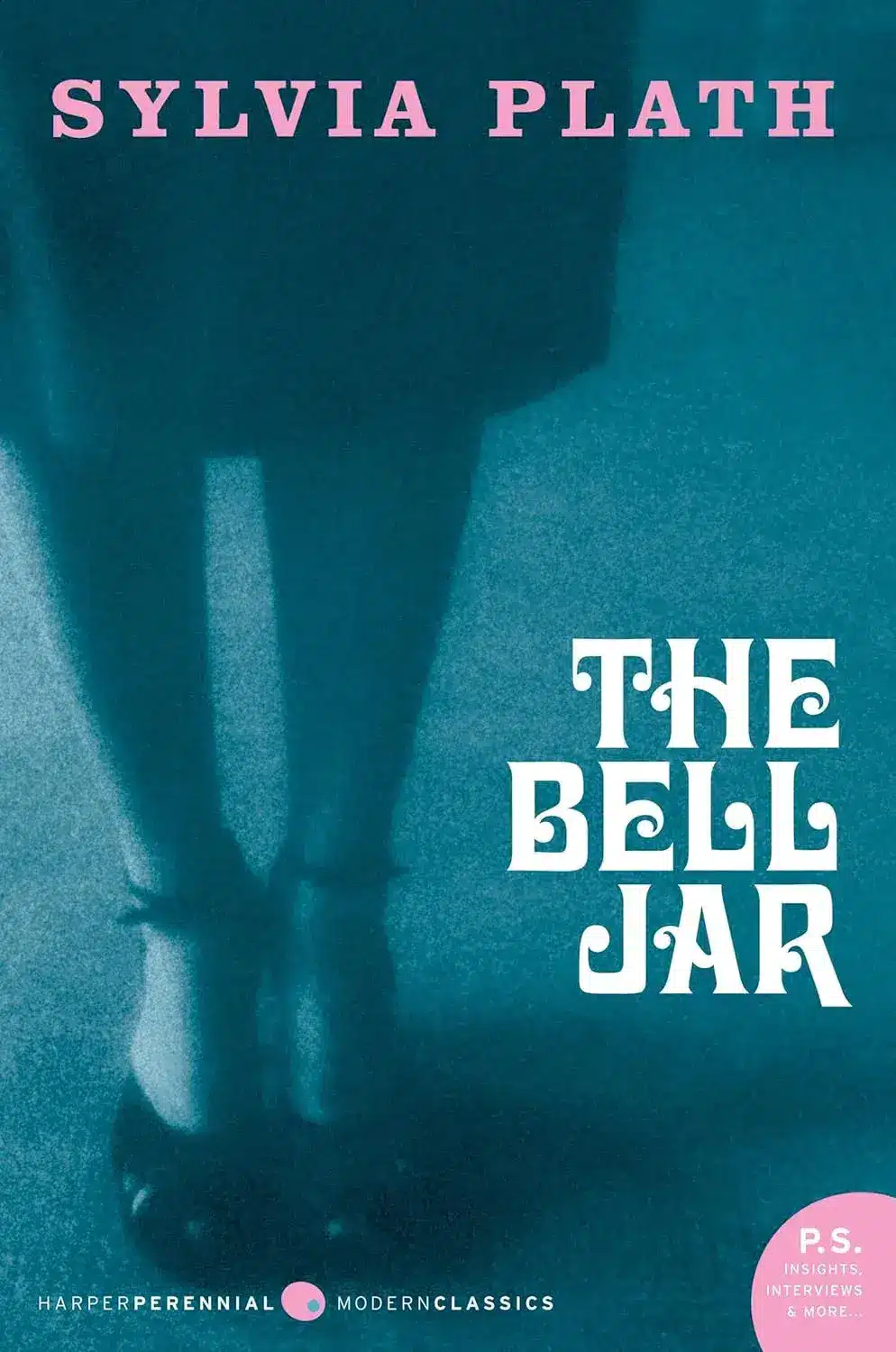
The first edition of “The Bell Jar” was originally published under the pseudonym, Victoria Lucas, and later re-published in 1966 by Faber and Faber under Sylvia Plath’s own name.
Plath originally chose to publish the book under a pseudonym to protect friends and family, particularly her mother, as the book is closely autobiographical. She also wished to separate it from her serious work as a poet.
The novel is semi-autobiographical, based on Sylvia Plath’s own experience of mental breakdown at age 20, as well as her stay in McLean Hospital, working with a radical young female psychiatrist. She tells the story through the narrative of Esther Greenwood who expresses many of Plath’s own concerns around women’s roles and issues with her mother.
The book has sold more than three million copies and been translated into over forty languages. It originally received a mixture of lukewarm critical reviews on its first release, with some critics seeing it less accomplished than Plath’s poetry. However, it has since become a feminist classic, praised for its dark humour and its culturally astute themes of female autonomy.
Reviews
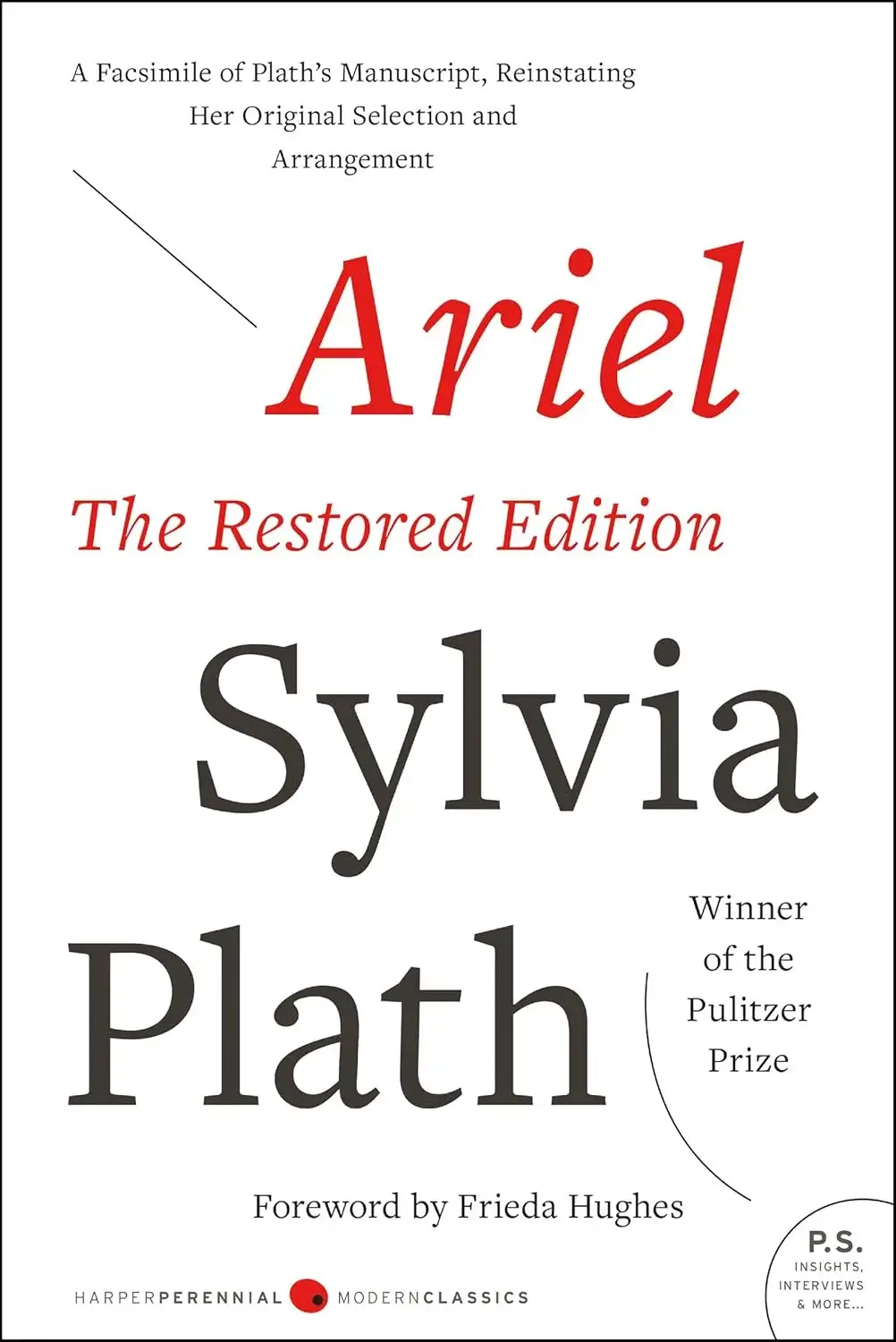
Plath worked on this collection of poems right up until her death in 1963. It was edited and arranged by Ted Hughes and features the visceral “Lady Lazarus,” the scathing “Daddy” and the titular “Ariel.” Plath’s confessional poetry, and in particular within the ‘Ariel’ collection, has since been lauded by feminist critics as raw and uncompromising explorations into female rage and oppression within the cultural patriarchal systems, as well as the fragmentation of the self.
Reviews
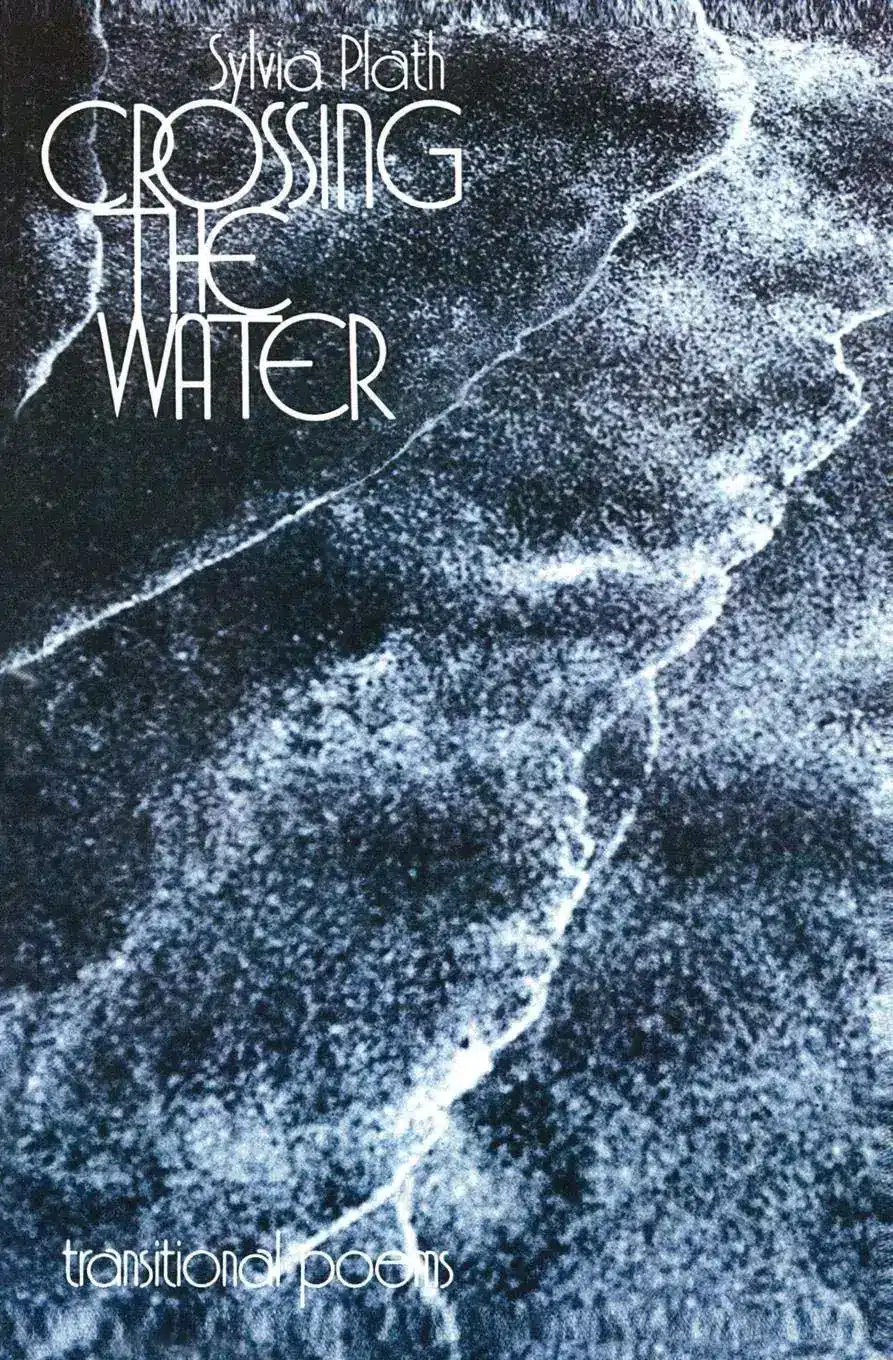
This collection features some of Plath’s lesser known poems such as “Wuthering Heights” and the titular “Crossing the Water.”
Reviews
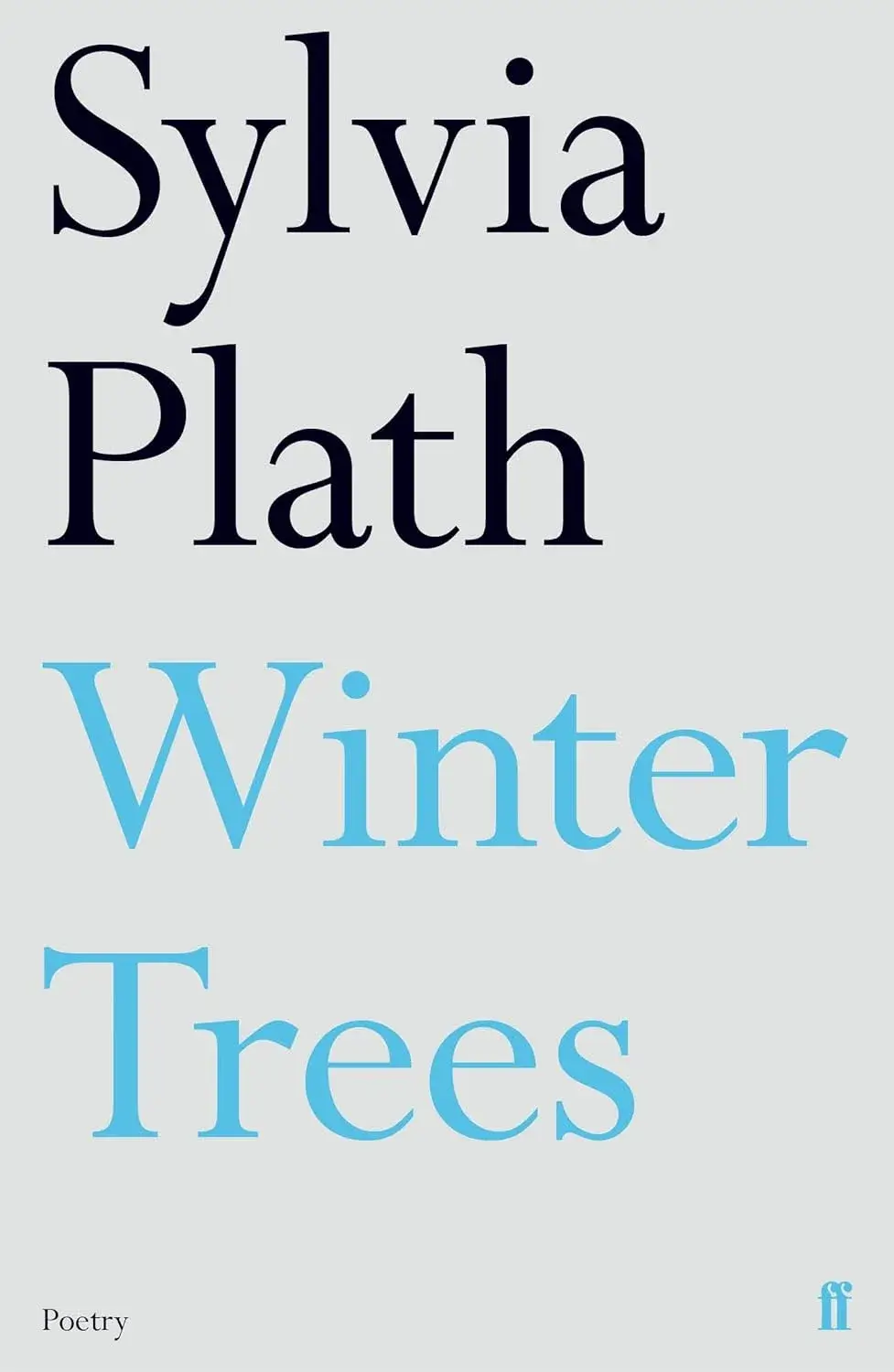
The original edition of “Winter Trees” also contained Plath’s radio play, “Three Women,” a touching and dramatic prose poem featuring three women’s experiences after giving birth.
Reviews
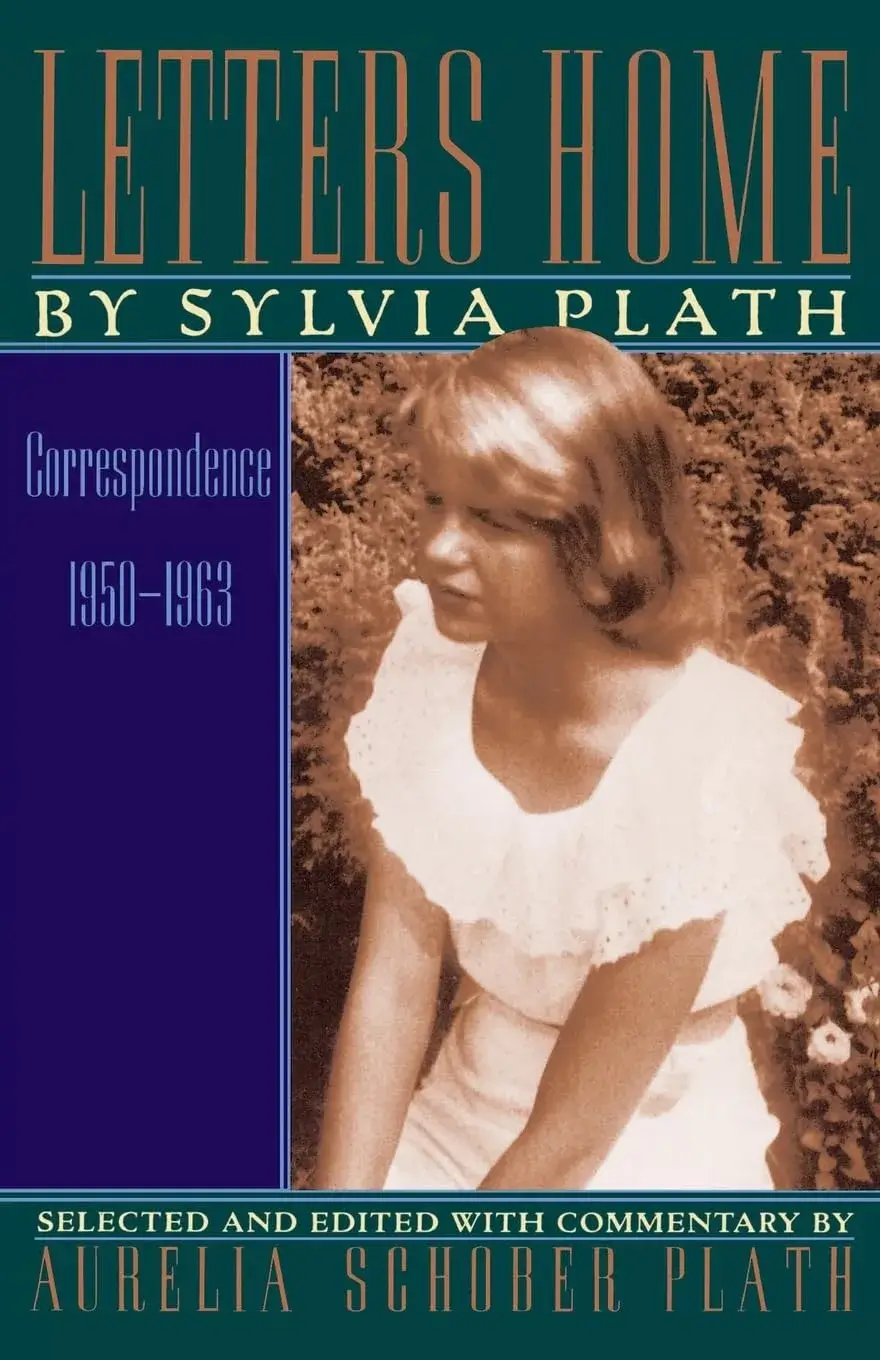
This collection features the correspondence between Sylvia Plath and her mother, with an introduction by Aurelia. It gives an insight into the thought processes and obsessions of Plath during those years and has been contrasted with the often chaotic journals she kept, as well as her confessional poetry. Some critics have suggested that the letters may have been an effort to assuage her mother’s worries.
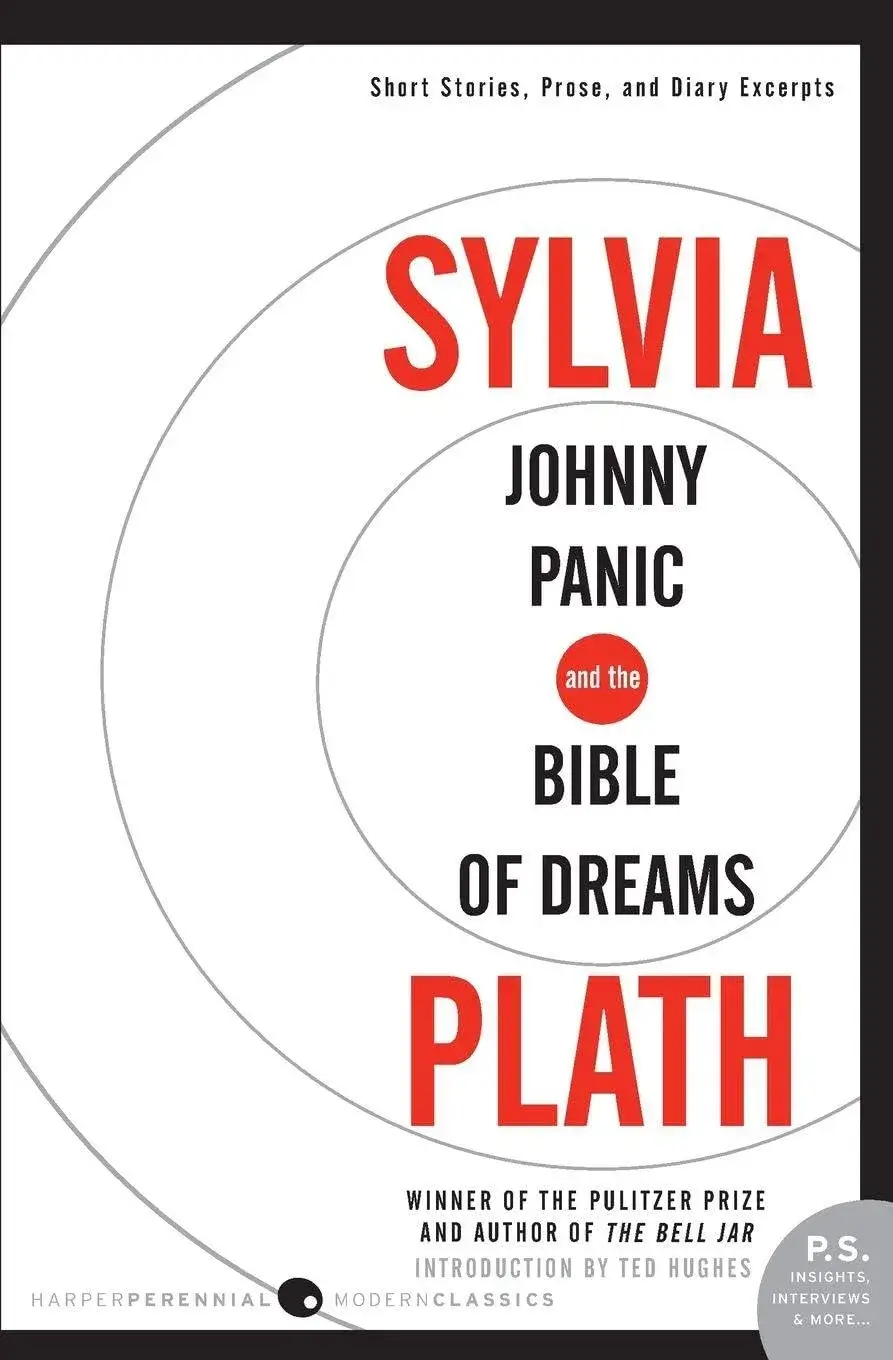
Plath wrote this piece as a short story, but published it in book form. The narrator is a secretary at a psychiatric clinic, who secretly transcribes the patient’s dreams. Published posthumously, some critics pointed out that the story showed Plath’s continual development as a writer, leading to her greater works.
Reviews
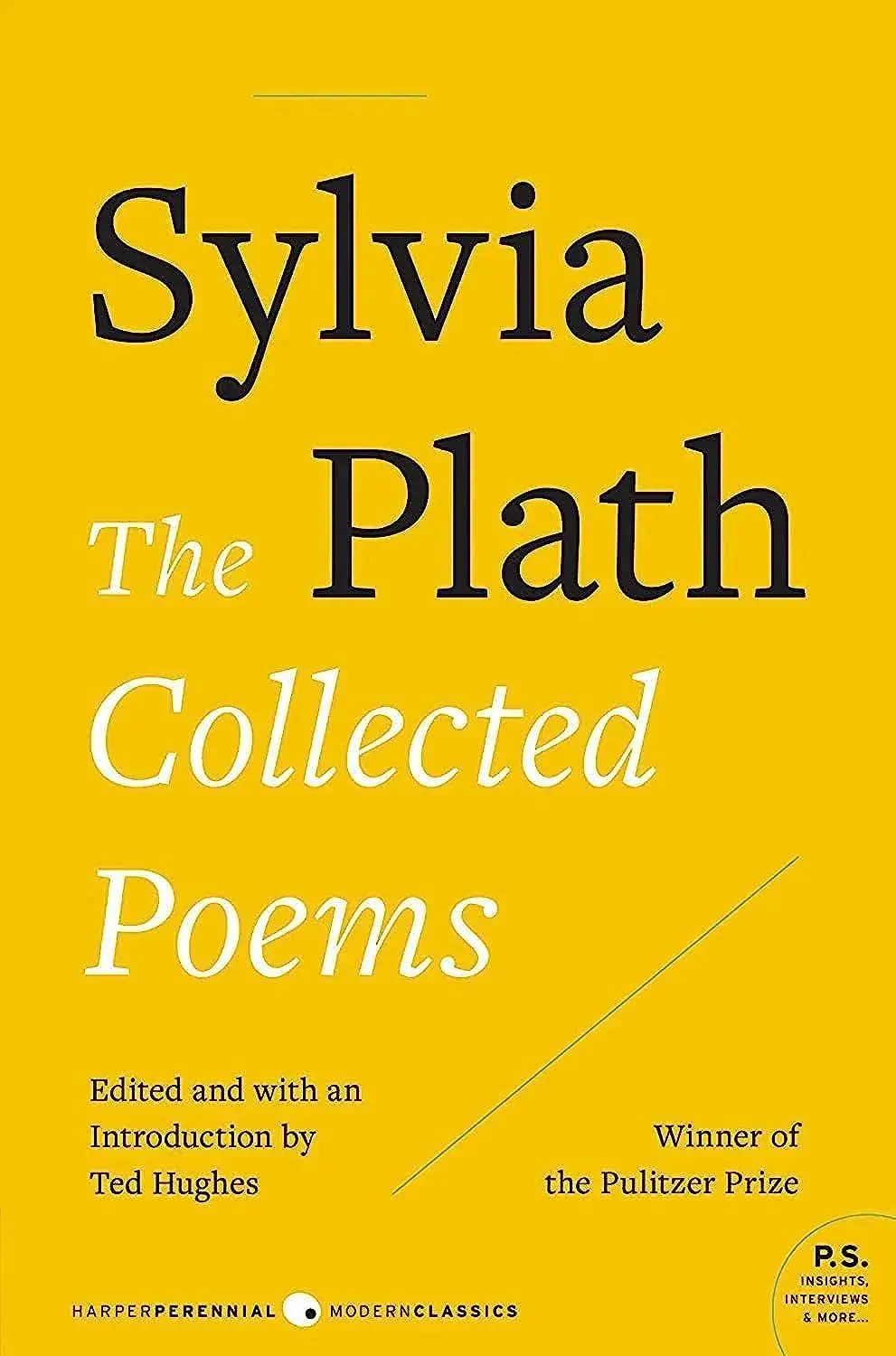
This was the collection for which Plath was awarded the Pulitzer Prize.

Along with “Collected Poems,” “Selected Poems” features poems that were published in Plath’s earlier collections.
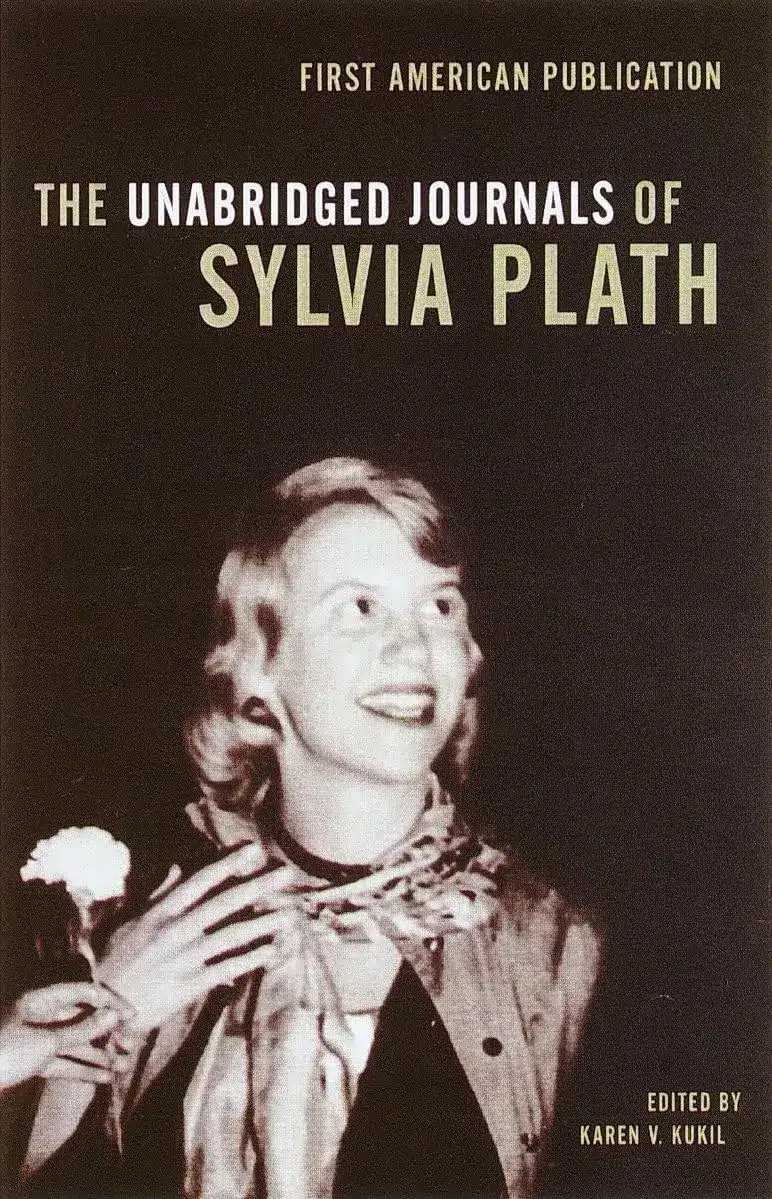
“The Unabridged Journals of Sylvia Plath” appeared following a previously, heavily abridged version of the journals by Ted Hughes in 1982. Kukil’s edition features the exact and complete transcripts from the last 12 years of Plath’s life.
Reviews
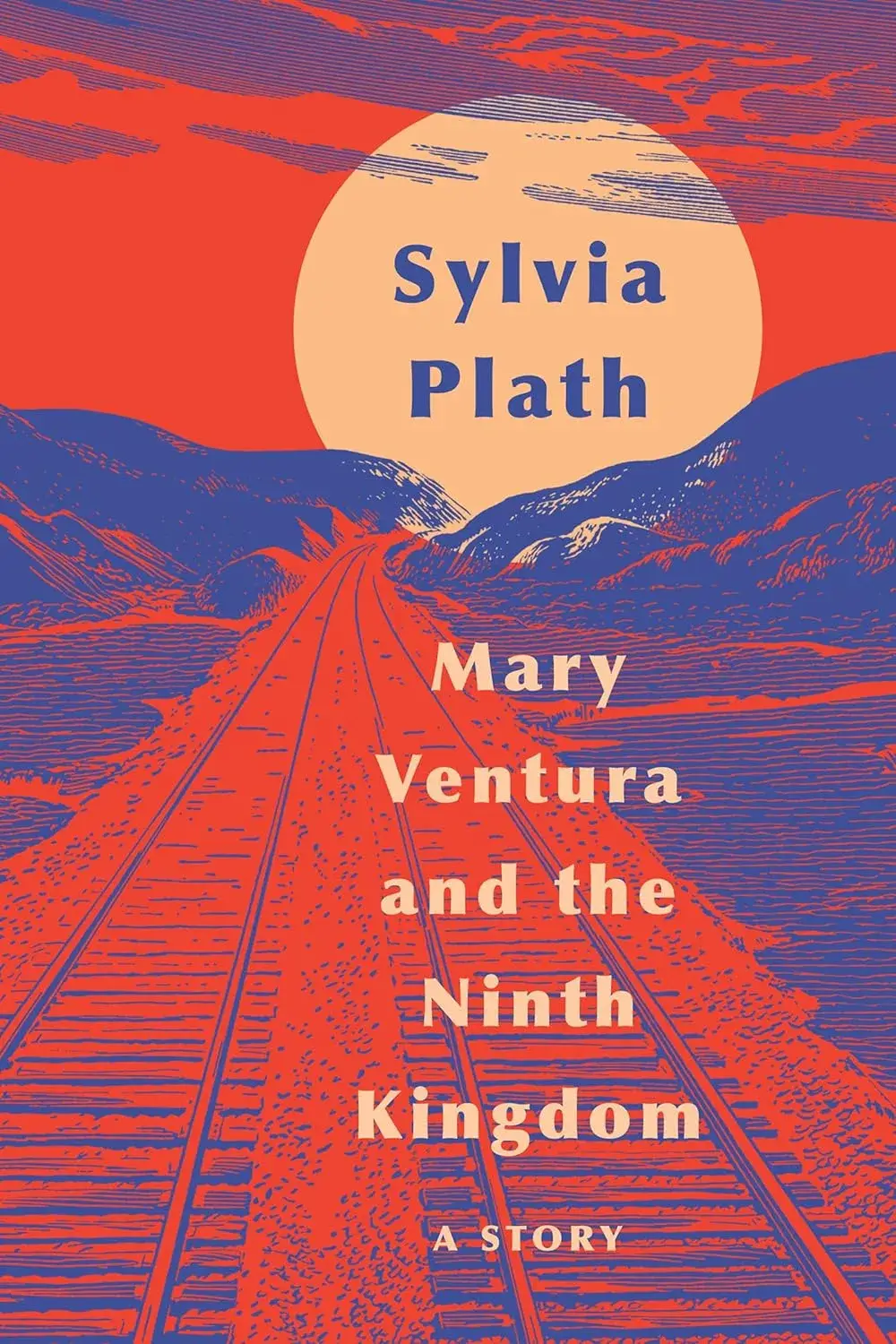
Plath wrote this book in 1952 as a third year scholarship student at Smith. It has been hailed as one of her most original stories.< It is the most recent posthumously published story in her catalog. Exploring a young woman who takes an ominous train journey to ‘the ninth kingdom,’ it has been praised for its metaphysical aspect.
Reviews
Awards
Sylvia Plath was posthumously awarded a Pulitzer Prize for “Collected Poems” in 1981.
Book to Film
A 1979 film adaptation of “The Bell Jar” starring Marilyn Hassett and directed by Larry Peerce is currently the only version of Plath’s novel.
Sylvia Plath Quotations
“I desire the things that will destroy me in the end.”
— 1951 journal entry
“And by the way, everything in life is writable about if you have the outgoing guts to do it, and the imagination to improvise. The worst enemy to creativity is self-doubt.”
— Appendix 5 in the 1953 journal entries
Political Views: Racist Yet Against McCarthyism
An important point to note, which is significantly absent from much of the praise and critical studies of Plath’s work, was her seemingly racist and disrespectful narratives of Black and Ashkenazi people. In an all-too familiar rhetoric, Plath has been hailed as a writer of her time. In “The Bell Jar,” for example, the only non-white character in the novel is scolded by Esther Greenwood and spoken of in a stereotypical and derogatory manner.
Critics have also pointed out Plath’s tendency to compare her own suffering to that of Holocaust. Whilst this has been regarded as a political act by some, by others it has been deemed as appropriation.
Conversely, there are other academics who suggest Plath was anti-facist through poems such as “Daddy” and her disgust at McCarthyism, shown through the narrator of “The Bell Jar.” The character is troubled, as Plath was, about the execution of the Rosenbergs.
She also demonstrated an interest in the Hungarian Revolution. Her maternal grandparents, Francis Schober and Aurelia Greenwood (originally Aurelia Grunwald), were of Austrian descent, and this background perhaps influenced her thoughts in this regard.
Similar Authors to Sylvia Plath
- Anne Sexton
- Adrienne Rich
- Robert Lowell
- Frank O’Hara
- Louise Glück
- Gwendolyn Brooks

Get recommendations on hidden gems from emerging authors, as well as lesser-known titles from literary legends.