TLDR
There is a rich history of roulette in literature, including "The Gambler" by Fyodor Dostoyevsky. Roulettes symbolizes many concepts and emotions, such as compulsion and fate.
Roulette has long existed beyond casinos. In literature, it often appears as a symbol — of fate, risk, obsession, or the illusion of control. The spinning wheel reflects one of the oldest narrative themes: the unpredictability of life.
Writers across different periods have used gambling, and roulette in particular, to explore psychological tension and moral conflict. Just as a plot builds toward an uncertain conclusion, a roulette spin captures a moment suspended between hope and consequence.
Today there are more websites than ever where you can play roulette online, and roulette remains culturally relevant not only as a game, but as a literary metaphor.
Roulette as a Symbol of Fate
In many literary traditions, chance is closely tied to destiny. Roulette embodies this paradox: the illusion of choice within a structure governed by probability.
The wheel spins, the ball lands, and the result feels dramatic — even though the mathematics remain constant. Authors often use gambling scenes to externalise inner turmoil. A character’s decision to bet becomes symbolic of larger life risks.
Roulette therefore functions as more than a game. It becomes a narrative device representing:
- Uncertainty
- Temptation
- The tension between reason and impulse
- The human desire to challenge fate
The act of placing a bet mirrors a character committing to a decision whose consequences cannot be reversed.
Psychological Depth and Gambling
One of the most famous literary explorations of gambling psychology appears in “The Gambler” by Fyodor Dostoevsky. Although the novel focuses broadly on gambling rather than exclusively on roulette, the wheel plays a central symbolic role.
Dostoevsky portrays gambling not as entertainment, but as compulsion — a psychological battlefield. The roulette table becomes a stage where pride, desperation, love, and humiliation intersect.
In this sense, roulette in literature often represents internal conflict made visible. The randomness of the game contrasts with the emotional intensity of the player.
European Settings and the Casino Motif
Roulette frequently appears in novels set in European spa towns and aristocratic environments. Casinos in places like Monte Carlo became literary backdrops symbolising glamour, decadence, and moral ambiguity.
In 19th and early 20th century fiction, roulette scenes often highlight:
- Social inequality
- Financial desperation
- Romantic illusion
- The fragile boundary between control and chaos
The casino becomes a microcosm of society. Around the wheel gather aristocrats, adventurers, and outsiders — each driven by different motivations, yet united by risk.
Structure of a Spin and Structure of a Plot
Roulette and storytelling share structural similarities. A roulette round unfolds in stages:
- Anticipation
- Commitment
- Suspension
- Outcome
A narrative arc follows a comparable rhythm:
- Introduction
- Rising tension
- Climax
- Resolution
Writers sometimes use gambling scenes to accelerate pacing. The spin of the wheel compresses suspense into seconds, mirroring the emotional peak of a story’s climax.
Even when roulette is not central to the plot, it can serve as a metaphorical turning point — the moment when a character’s trajectory shifts irreversibly.
Modern Interpretations of Chance
Contemporary literature often approaches roulette differently. Rather than portraying it solely as moral downfall, modern narratives may frame it as a reflection of broader systems — economics, technology or probability itself.
In modern storytelling, roulette can symbolize:
- Statistical thinking in a data-driven age
- The illusion of agency within structured systems
- The tension between logic and emotion
While earlier works emphasized moral caution, contemporary interpretations may explore ambiguity without explicit judgment.
From Physical Tables to Digital Context
As gambling has moved into digital spaces, literature has adapted as well. Online roulette introduces new narrative possibilities:
- Isolation instead of crowded casino halls
- Screens replacing physical interaction
- Algorithmic transparency versus perceived randomness
Authors exploring digital-era themes can use roulette as a metaphor for modern uncertainty — financial markets, social media algorithms, or technological dependence.
The core symbolism remains unchanged: a human confronting unpredictability.
Why Roulette Endures as a Literary Motif
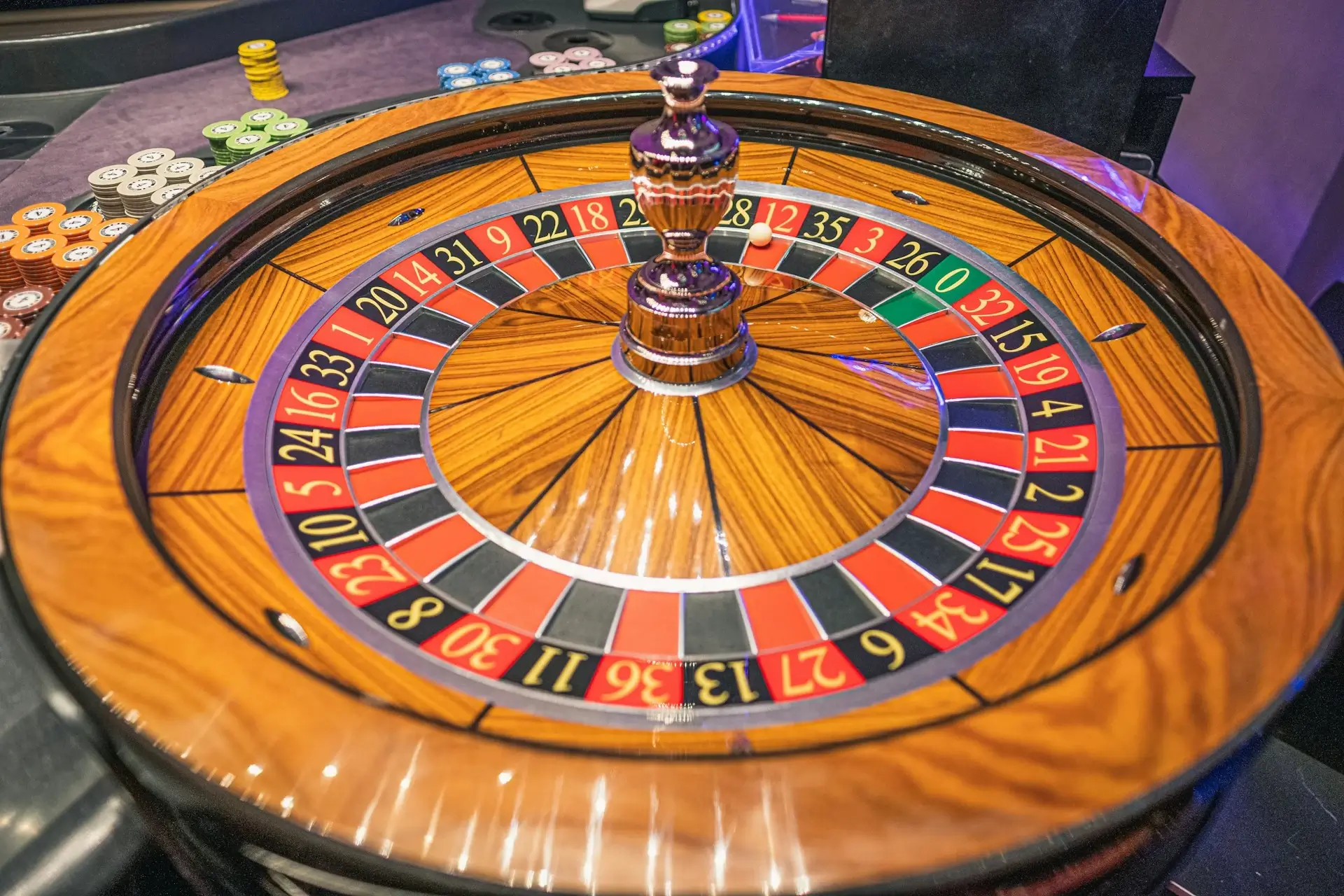
Roulette persists in literature because it compresses existential themes into a single visual image: a spinning wheel and a falling ball.
It represents:
- Hope balanced against loss
- Control balanced against chaos
- Rational calculation challenged by emotion
Few other games provide such a clear visual metaphor for fate in motion.
Writers return to roulette not for its rules, but for its symbolism. The mathematics are fixed; the human reaction is not.
A Final Spin
Roulette in literature is less about gambling itself and more about the human condition. The wheel becomes a stage where characters confront desire, fear, ambition and destiny. Across centuries — from 19th-century psychological novels to modern explorations of probability — roulette remains a powerful narrative symbol.
The wheel continues to spin in fiction just as it does in reality, reminding readers that uncertainty is not merely a risk to avoid, but a fundamental part of every story.

Get recommendations on hidden gems from emerging authors, as well as lesser-known titles from literary legends.